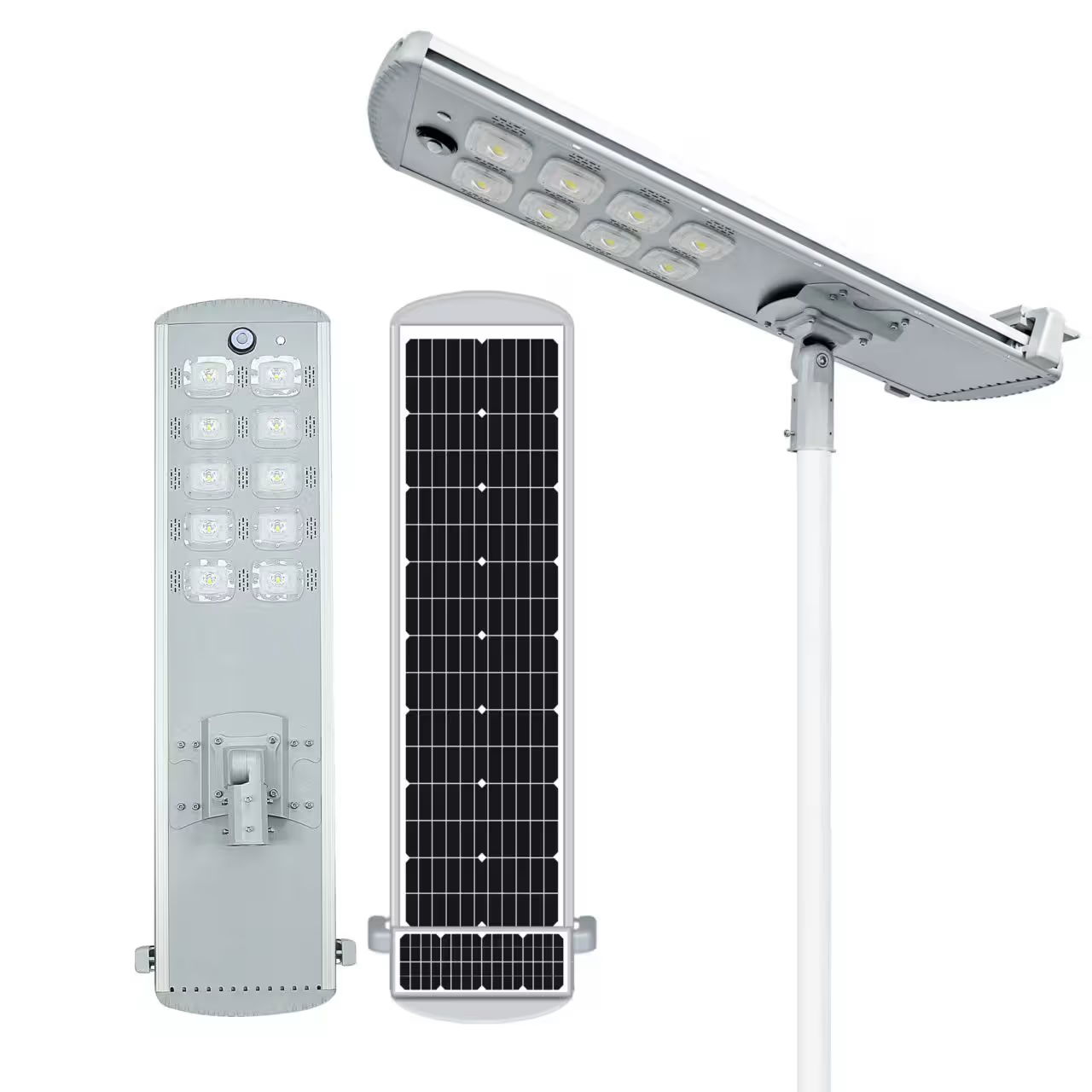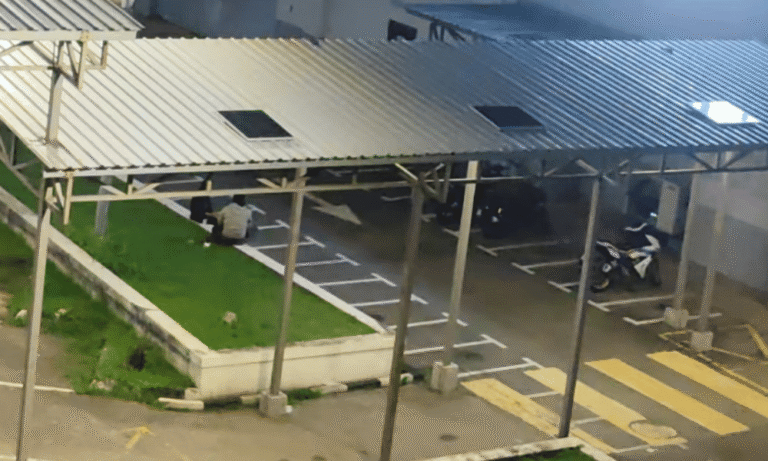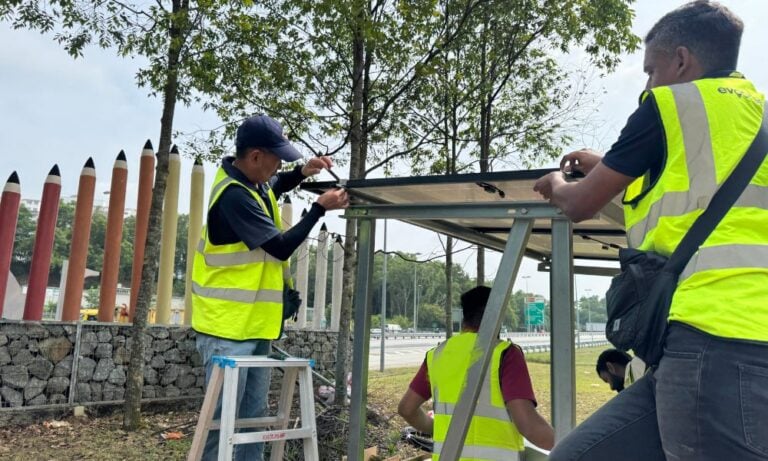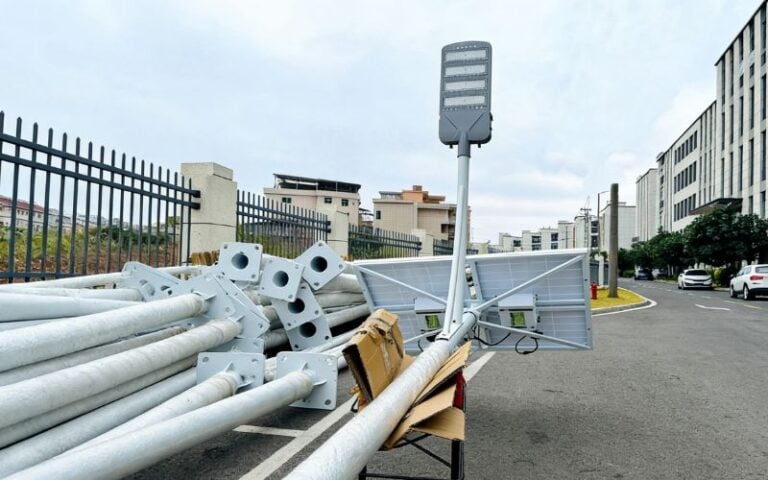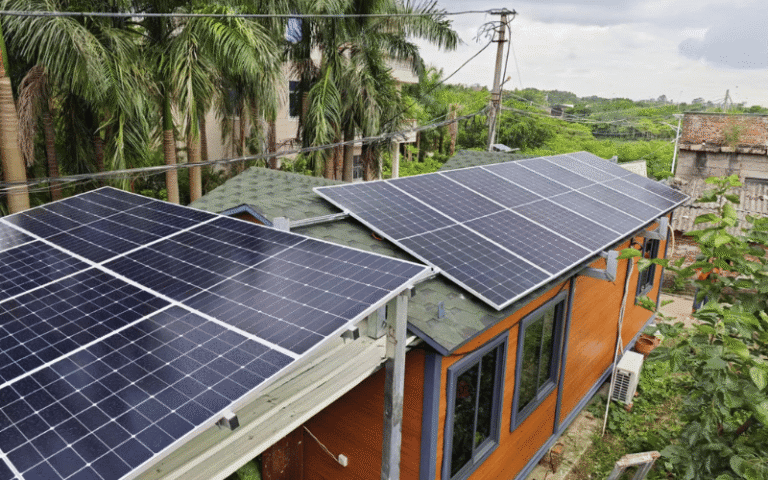

A park that goes dark at sunset loses half its value. Paths lose their edges, playgrounds empty out, and small plazas start to feel unsafe. Solar park lights often enter the picture here. They skip trenching, need no grid connection, and cost little to run.
Solar is not the right answer for every site, though. This guide shows you how to judge whether solar fits your park and how to match lighting to each zone. It also covers how to read brightness and runtime claims, how to compare solar with wired systems, and which buying mistakes to avoid.
Why Buyers Choose Solar for Park Lighting
Most park owners don’t choose solar to make a statement. They choose it because the site and the budget point that way. Four reasons usually tip the decision.
Trenching eats the budget. On many park projects, the fixtures aren’t the expensive part. The ground is. Running conduit under lawns and paths means digging, cutting pavement, working around roots, and restoring turf. Trenching and wiring can cost more than the lights themselves. Well-designed solar street lighting systems remove most of that cost.
Power sits too far away. A trailhead at the edge of a preserve rarely has an easy grid connection. Extending service can take months of utility coordination. A solar pole needs only a solid foundation and open sky.
The park grows in phases. Many parks add a playground one year and a walking loop the next. Each solar light runs on its own, so new poles go wherever the new space needs them. Nobody has to rewire anything.
Operating costs stay low. Solar lights draw no utility power, so the monthly electric bill disappears. Across 20 or 30 fixtures, that adds up fast. The main ongoing costs are panel cleaning and a battery swap every five to eight years.
Is Solar the Right Fit for This Park Project?
A site walk answers this question faster than any spec sheet. The trees, the open sky, and the distance to power usually tell the story within an hour. Here is how to sort it out.
Situations Where Solar Makes Sense
Solar works best where power sits far away and digging costs a lot.
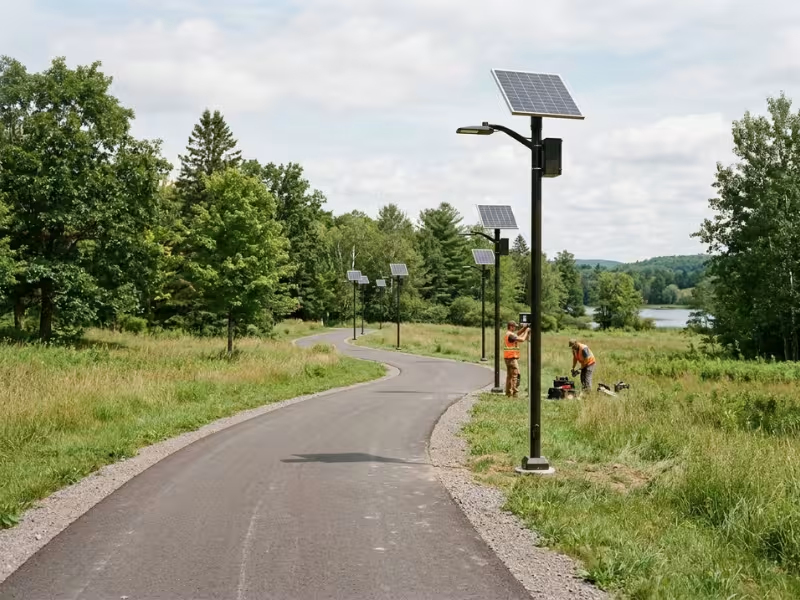
- Remote paths. A walking loop a quarter mile from the nearest building fits solar well. A long path doesn’t need a long cable.
- Trailheads. Trail entrances usually sit under open sky. Two or three poles can light the kiosk, the entry, and a few parking spaces.
- Playground expansions. The old circuit rarely reaches new play equipment. Solar lights the new area without cutting into finished paths.
- Plazas far from power. An open space in the middle of a big lawn gets plenty of sun and has no easy grid tie.
- Trenching-heavy budgets. Here is a quick test. If the trenching quote comes close to the fixture cost or exceeds it, solar deserves a serious look.
Situations Where Solar May Not Be the Best Choice
Some sites send clear warning signs. Watch for these:
- Heavy tree canopy. Mature oaks or maples can cut panel output in half. If the panel can’t reach open sky, the battery won’t fill.
- High output for long hours. A busy plaza that needs full brightness until midnight demands a very large panel and battery.
- Dense urban shadowing. Tall buildings can block winter sun for most of the day. Check shade at the lowest sun angle of the year, not in June.
- Cheap nearby power. If a service panel sits 30 feet away, wired lighting usually wins on long-term value.
- Severe vandalism with slow repairs. Solar puts the panel and battery up on the pole. Where fixtures get hit often, fewer exposed parts may hold up better.
When a site shows two or more of these signs, a wired or hybrid layout often serves better.
Different Park Areas Need Different Lighting Results
A park isn’t one lighting job. It’s several small jobs side by side, and each has its own purpose after dark. Plan each zone around what people actually do there at night.
Pathways and Walking Trails: Keep People Moving
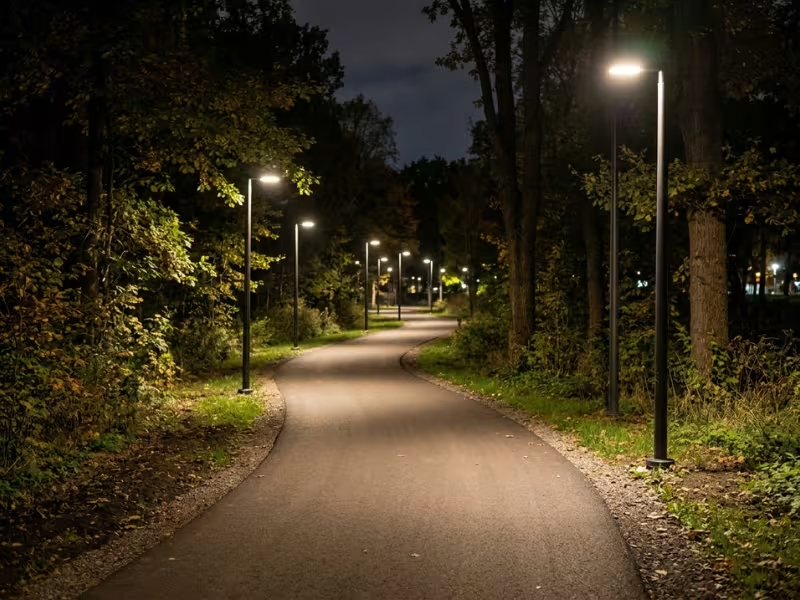
On a path, the goal is guidance. A walker should see the next pool of light before leaving the current one. Dark gaps make people hesitate or turn back.
Start with poles about 10 to 13 feet tall. Spacing usually falls at four to five times the mounting height, or roughly 40 to 65 feet. If the light pools don’t overlap at ground level, move the poles closer. A brighter fixture won’t fix a gap.
Glare matters more than raw brightness. An unshielded lens at eye level blinds walkers and makes the path beyond it look darker. Choose fixtures that throw light along the walkway, not into trees or windows. Place poles at bends and junctions first, then fill the straight runs.
For smaller landscaped walks or garden-scale park areas, solar garden lights can work well when the goal is soft guidance rather than wide coverage.
Playgrounds: Light the Edges, Not Just the Ground
Good playground lighting helps people see each other. A parent on a bench needs to spot a child behind a climbing wall or under a slide.
Ground-only lighting leaves play structures in shadow. Place poles on at least two sides of the area, because a single corner pole darkens the far side of every structure. Light the gates, benches, and the line where rubber surfacing meets grass. Trips often happen at these surface changes.
Poles of 12 to 16 feet keep fixtures out of reach. Keep them away from equipment kids could climb. Neutral white light around 4000K helps adults read faces and colors.
Plazas, Open Spaces, and Gathering Areas: Aim for Even Coverage
People linger here, so even light matters more than peak brightness. Bright patches next to dark ones make an open space feel uneasy.
Aim for an average-to-minimum ratio around 3:1 or 4:1. In plain terms, the darkest spot shouldn’t fall far below the average. Taller poles of 16 to 23 feet with a wide, round pattern get you there with less clutter.
Taller, brighter poles raise the solar workload. You’ll need a bigger panel, a larger battery, and a foundation rated for the extra wind load. A dimming schedule helps. Run full output during evening activity, then drop to 30 to 50 percent.
Trailheads, Picnic Shelters, and Parking Edges: Mark the Spot
These areas act as landmarks, so treat them as focused nodes with one or two poles each. At a trailhead, light the map board and trail entry. At a picnic shelter, mount the panel above the roofline. At a parking edge, light the walk from car to trail, not the whole lot.
Motion sensors suit these low-traffic spots and stretch battery life.
Start With the Lighting Result, Not the Wattage
Many buyers open with one question: “Should we buy the 60-watt or the 100-watt light?” Wattage tells you how much power a fixture draws. It doesn’t show how the path will look at 10 p.m.
Two 60W solar lights can perform very differently. One uses efficient LEDs and good optics. The other wastes more power as heat. Some sellers even list “equivalent” wattage that has little to do with real draw.
Lumens get closer, because they measure the light leaving the fixture. But lumens don’t show where that light lands. A 4,000-lumen fixture that spills into trees can leave a walkway darker than a focused 2,500-lumen fixture.
Judge every option by five factors:
- Mounting height: Taller poles spread light wider but reduce intensity on the ground.
- Spacing: Light pools need to meet, or dark zones appear.
- Distribution: A narrow path needs a long, slim beam. A plaza needs a wide, round one.
- Uniformity: Even light feels safer than bright spots beside dark patches.
- Glare: A good fixture lights the ground, not people’s eyes.
The simplest step is to request a photometric layout based on your actual site. It shows the result before you buy a single pole.
What Actually Determines Whether a Solar Park Light Performs Well
Think of a solar park light as a small power plant on a pole. The panel collects energy, the battery stores it, the LED uses it, and the controller manages the pace. If one part falls short, the whole light falls short.
Light Output and Distribution
Lumens are only a starting point. The real question is how much light reaches the path, play surface, or plaza. Ask for the distribution type:
- Type II: a long, narrow pattern for paths
- Type III: a forward throw for playground edges and parking strips
- Type V: a round pattern for open plazas
Most park paths need 1,500 to 3,000 lumens on a 10- to 13-foot pole. Plazas with taller poles often need 4,000 to 8,000 lumens. Also ask how wide the light pool stays above a usable level, such as 0.5 foot-candles. That width sets your spacing.
Battery Capacity and Nights of Autonomy
Autonomy means how many nights a light runs on stored energy without a recharge. Park projects should have at least two to three nights. Cloudy or northern regions need three to five.
LiFePO4 batteries are the safer choice for parks. They handle 2,000 or more cycles and tolerate heat well. Compare usable capacity in watt-hours.
A quick example shows the math. A 30W fixture at full output for 12 hours uses 360 Wh. With dimming, that may drop to about 200 Wh. Three nights then calls for roughly 600 Wh of usable capacity, plus a margin for cold weather. Many lithium batteries can’t charge safely below 32°F without low-temperature protection.
Solar Panel Size and Local Sunlight
The panel must refill the battery in one good day and recover after a cloudy stretch. Its size depends on your sunlight, not the vendor’s.
As a simplified example, a park in southern Arizona might get five peak sun hours in December. A park in Seattle might get one or two. For the same 200 Wh nightly load, the Seattle site may need a panel three times larger.
Size the panel for your worst month, usually December in the U.S. A steeper tilt also catches low winter sun and sheds snow and dust.
Controls, Dimming, and Motion Sensors
A dusk-to-dawn photocell switches the light automatically and tracks the seasons. Dimming saves the most energy. A practical profile runs 100% for four to five hours, 30 to 50% late at night, and 70% before dawn.
Motion sensors suit quiet trails. The light holds at 20 to 30%, then jumps to full output when someone approaches. Avoid full-off modes on paths.
How to Choose the Right Solar Park Light
Once you know solar fits the site and what each zone needs, the product choice gets much easier. Five checks catch most problems before the purchase order goes out.
Match the Fixture Type to the Space
- Bollards (3 to 4 feet): soft, low-glare light for short walks, but small coverage and limited runtime
- Post-top fixtures (10 to 14 feet): the default for walking loops and main paths
- Area lights (16 to 23 feet): plazas, playgrounds, and parking edges that need wider coverage
- Higher-pole fixtures (25 feet and up): large lawns and sports edges, with much larger panels and foundations
Check Mounting Height and Pole Spacing
Dark gaps usually come from trusting brochure “coverage areas” or stretching spacing to save a pole. One question exposes the problem: “What light level will we get at the midpoint between two poles?” If that number sits near zero, the layout fails.
A few habits prevent most gaps:
- Shorten spacing on curves.
- Add a pole at every junction, entry, and grade change.
- Keep height and spacing in proportion.
- Check slopes, because a pole at the bottom of a rise leaves the crest dark.
On larger jobs, install two sample poles and walk the gap at night.
Check Shade Before You Buy
Shade is easy to miss and hard to fix later. Visit the site between 10 a.m. and 2 p.m. and look up from each pole location. Then picture December, when the low sun lets buildings and trees cast much longer shadows.
Remember that saplings grow. A small tree can shade a panel within five to eight years. Partial shade can cut output sharply, so use a sun-path app to confirm. If shade appears, move the pole, raise the panel, or plan regular trimming.
Look at IP, IK, and Build Quality
Rain, sprinklers, balls, and skateboards all test park lights. Treat IP65 as the minimum, and use IP66 near sprinklers. For impact, IK08 suits most paths. Playgrounds, skate areas, and courts need IK10.
Beyond ratings, look for die-cast aluminum housings, stainless tamper-resistant hardware, a locked battery compartment, and smooth poles with no handholds. Ask for third-party test reports.
Read the Runtime Claim Carefully
“Runs all night” often means a full battery, a summer test, and dimmed output. “Three nights of backup” means little without the brightness level. Ask for three numbers in writing:
- Hours at 100% output on a full battery
- Runtime with your planned dimming profile
- Expected December performance at your site
Solar vs. Grid-Tied Park Lighting: Which Makes More Sense?
Neither option wins every time. Many parks use both, sometimes in zones only a few hundred feet apart. The answer depends on where the power sits, how much light you need, and how much sun reaches the poles.
When Solar Wins
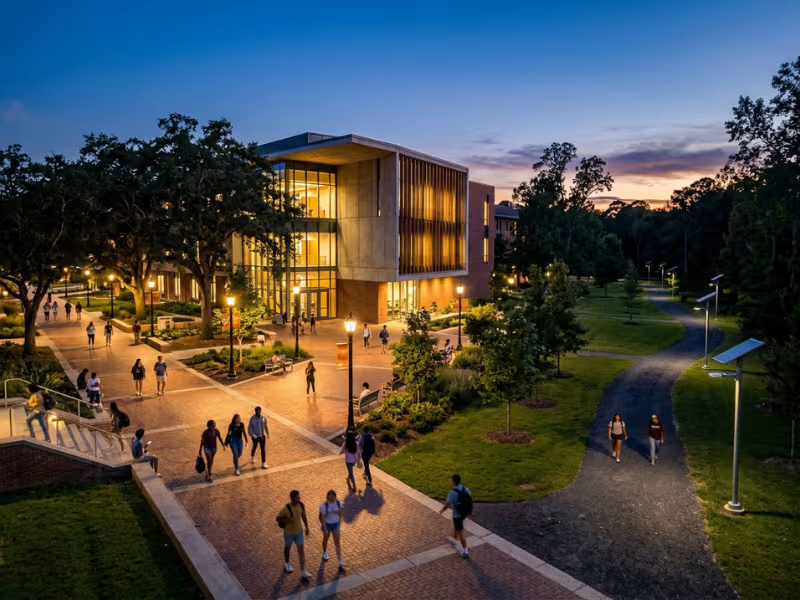
- Remote locations: A loop 800 feet from the nearest service panel needs a long cable run. A solar pole needs only a foundation.
- No trenching: You skip cutting asphalt and reseeding turf. On some path projects, trenching alone approaches 60% of the budget.
- Fast deployment: A small crew can set several poles in a day once the bases cure.
- Phased growth: Phase two never forces you to dig up phase one.
When Grid-Tied Lighting Wins
- High continuous output: A busy plaza at full brightness until 11 p.m. every night pushes solar hard.
- Shaded sites: Canopy and tall buildings don’t affect a wired light.
- Existing nearby power: When the trench run stays short, efficient LED street lights often deliver the better long-term value.
Side-by-Side Comparison
|
Factor |
Solar |
Grid-Tied |
|---|---|---|
|
Upfront infrastructure |
Higher fixture cost, but no trenching, conduit, or utility service |
Lower fixture cost, but trenching and wiring add up on long runs |
|
Operating cost |
No electric bill; plan for panel cleaning and a battery swap every 5–8 years |
Ongoing power bill, with fewer parts to replace |
|
Installation speed |
Days to a few weeks |
Weeks to months, depending on utility coordination |
|
Reliability in cloudy periods |
Depends on autonomy and panel sizing; long gray spells may force deeper dimming |
Steady output in any weather, but grid outages take it down |
|
Best site conditions |
Open sky, remote areas, trenching-heavy budgets |
Shaded sites, high-output zones, nearby power |
|
Expansion flexibility |
Add a pole anywhere with good sun |
Limited by circuit capacity and conduit routes |
A hybrid layout often works best. Wire the busy plaza near the building, and run solar out on the remote loop and trailhead.
Real Costs, Maintenance, and Lifespan
The quote is only the first cost you’ll live with. A smart budget covers installation, upkeep, and the life of each part.
What Solar Park Lights Usually Cost
Always compare price per installed pole. These ranges are rough guides, not firm prices:
- Residential and small-park grade: about $500 to $1,500 per pole installed, for HOA paths and pocket parks
- Commercial grade: about $2,000 to $5,000, with die-cast housings, LiFePO4 batteries, programmable dimming, and 12- to 20-foot poles
- Municipal grade: $5,000 to $10,000 or more, with engineered foundations, wind-load certification, and stronger warranties
The fixture often makes up only about half the installed cost. Poles, bases, delivery, and labor cover the rest.
What Actually Drives the Price
- Battery: often the most expensive part, and it grows with autonomy
- Panel: cloudy sites need larger panels and sturdier brackets
- Build quality: better housings and sealed battery boxes cost more but cut repairs
- Controls: smart dimming adds cost but can shrink the battery and panel
- Pole and foundation: wind zone and soil type can make the base cost as much as the fixture
If one quote comes in far below the others, check these five lines first.
Maintenance Reality
“Maintenance-free” is a sales phrase, not a plan. Clean panels once or twice a year, or every three to four months near dusty roads and beaches. Budget for batteries every five to eight years.
Walk the site each spring and fall. Trim new branch growth, check for cracked lenses and loose bolts, and confirm the dimming schedule. Note any light that fades before midnight. That usually means a tired battery or a shaded panel.
System Lifespan and Warranty
Quality LEDs often run 50,000 hours or more. Panels often last 20 years. Batteries wear out first.
When reading a warranty, check coverage for each part separately. Ask whether it covers capacity loss, such as dropping below 70%, or only a dead battery. Confirm labor and shipping terms, and ask about parts supply for at least ten years.
Common Buying Mistakes to Avoid
Most failed solar park lighting projects go wrong at the ordering stage. These seven mistakes show up again and again.
- Buying by wattage alone. Compare lumens, beam type, and ground-level light instead.
- Ignoring shade. One oak blocking winter sun can make a row of new lights fade by 9 p.m. Check every pole spot first.
- Trusting “all night” claims. Ask how many sunless nights the light runs, and at what brightness.
- Spacing poles too far apart. Saving a few poles on paper creates dark gaps on the ground.
- Choosing style over usable light. Frosted globes and lantern heads often scatter light and cause glare. Prove performance first, then choose the look.
- Ignoring vandal resistance. Specify IK08 on paths and IK10 near playgrounds, plus tamper-resistant hardware.
- Skipping photometric and runtime data. Without both, you’re buying on hope.
What to Ask a Vendor Before You Buy
A strong vendor welcomes hard questions. Add these seven to your next request for quote:
- “Can you send a photometric layout for our site?” It should show foot-candle levels across the space, including midpoints between poles.
- “What battery chemistry and usable capacity does this light use?” Look for LiFePO4 and watt-hour figures.
- “At what output and in what month did you test autonomy?” This exposes most inflated claims.
- “How did you size the panel for our location?” Ask for panel wattage, tilt, and the peak sun hours used for your worst month.
- “Can you share IP and IK test reports?” Confirm the battery box carries the same IP rating as the LED head.
- “What does the warranty cover, part by part?” Get separate terms for fixture, battery, panel, and controller.
- “Will you supply replacement parts for 10 years?” Ask whether crews can swap a battery without replacing the whole head.
Clear written answers with numbers signal a reliable partner. Vague replies like “our lights are very bright” signal it’s time to keep looking.
FAQs
How long do solar park lights stay on at night?
A well-sized commercial fixture runs dusk to dawn, usually 10 to 14 hours. Most do this with a dimming profile, not full power. Ask for runtime at 100% and runtime on your actual dimming plan.
Do solar park lights work in winter or cloudy weather?
Yes, when the system is sized for your worst month. Panels still charge under clouds, though output may fall to 10 to 25% of a sunny day. Plan for three to five nights of autonomy in cloudy regions, and use low-temperature charge protection where winters freeze.
How bright are solar park lights compared to wired lights?
On paths and trailheads, a good solar light looks the same as a wired one. The difference shows up when a space needs very high output for many hours. Solar can deliver it, but the panel and battery grow quickly.
How far apart should solar park lights be placed?
Start at four to five times the mounting height, so about 48 to 60 feet on a 12-foot pole. Tighten spacing on curves, junctions, and slopes. Always check the light level at the midpoint between poles.
What maintenance do solar park lights require?
Plan for panel cleaning once or twice a year, a spring and fall inspection, and a battery replacement every five to eight years. Put the battery cost in your budget now.
Are solar park lights a good choice for playgrounds and public spaces?
Often, yes, especially for new areas far from existing circuits. Light the play area from at least two sides, and specify IK10 fixtures with locked battery compartments. For shaded or high-output spaces, a wired or hybrid layout may work better.
Your Next Step Toward Better Park Lighting
Good park lighting follows a clear order. First, confirm the site suits solar by checking sky, shade, and distance to power. Next, define what each zone needs after dark. Then verify battery, panel, placement, and runtime against your darkest month. Finally, compare solar and wired over the full life of the system.
Start with a site assessment. Ask suppliers for photometric layouts and runtime data in writing, and compare at least two vendors side by side. If you’d like help reviewing your site conditions or weighing solar against grid-tied options, our team can prepare a lighting layout built around your park.