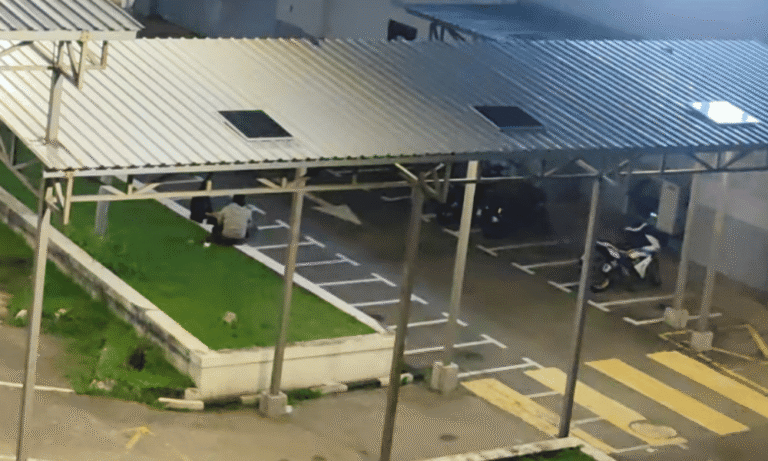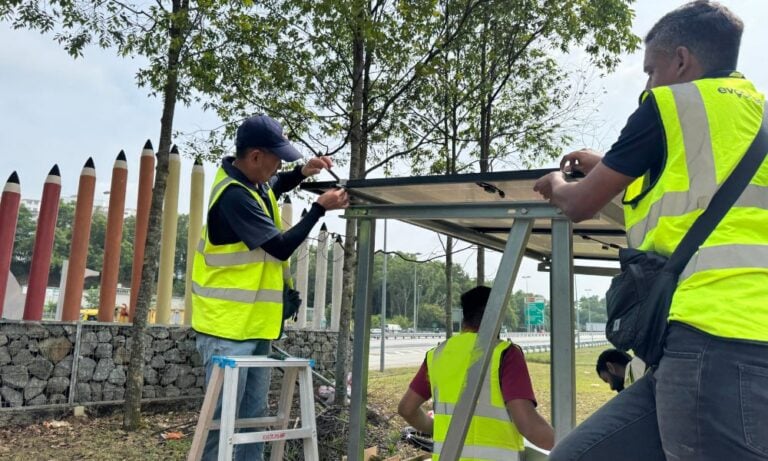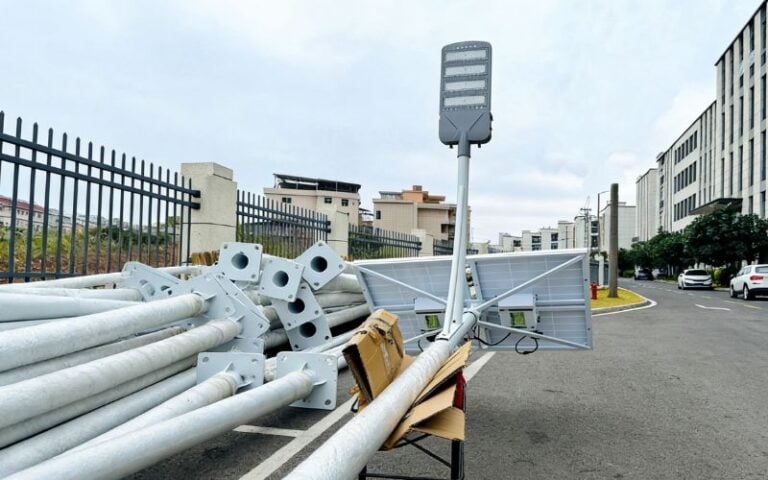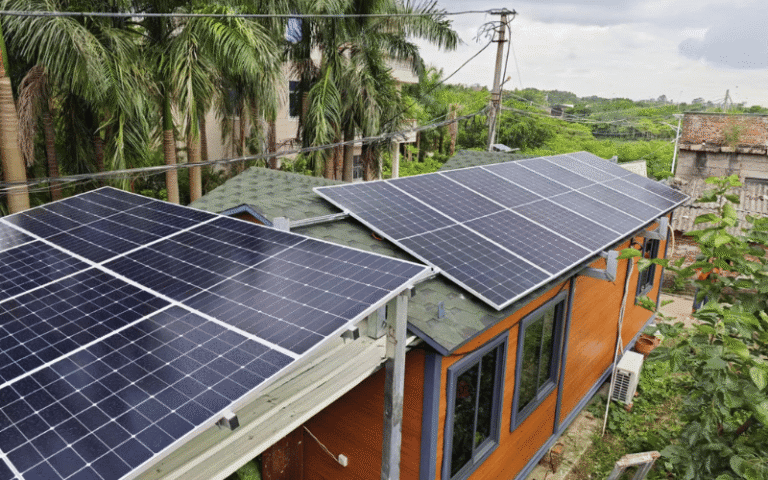

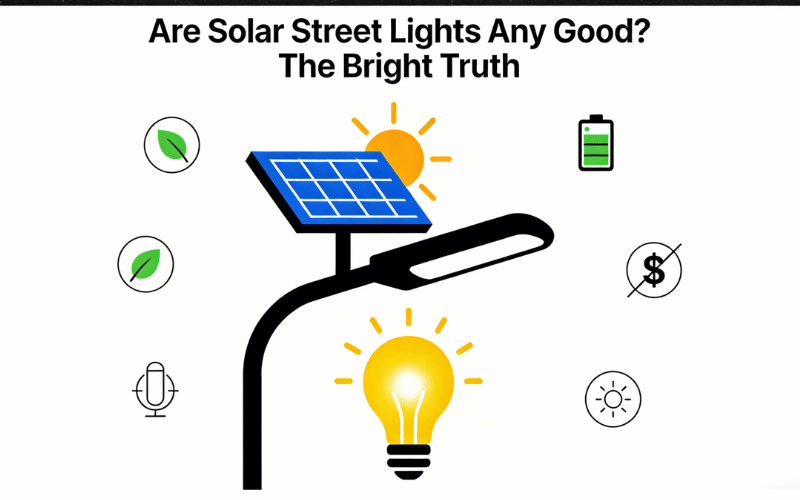
Solar street lights are transforming outdoor lighting by offering an eco-friendly, cost-effective, and innovative solution. These lights harness the power of the sun to provide reliable illumination for public roads, parks, and private communities. They represent a significant step forward in sustainable technology, combining advanced energy generation with practical, everyday use.
This article will explore the bright truth about solar street lights. We will break down how they work, weigh their pros and cons, and highlight key features to consider before investing. Whether you are a city planner, a property manager, or simply curious about green technology, this guide will provide a clear picture of its capabilities and limitations.
How Solar Street Lights Work
Solar street lights are a self-sufficient and sustainable lighting solution that uses sunlight to power bright, reliable illumination for roadways and public spaces. They integrate simple components with advanced technology to deliver consistent performance, even in off-grid locations.
The Solar Power Process
The process begins when sunlight hits the solar panels. These panels, composed of photovoltaic (PV) cells, absorb photons from sunlight and convert this energy into direct current (DC) electricity. The efficiency of this energy conversion depends heavily on the quality, size, and orientation of the solar panel, as well as on the intensity of sunlight it receives throughout the day.
This generated DC electricity is then managed by a charge controller. This vital component regulates the flow of energy from the panel to the battery, preventing overcharging and deep discharging, which extends the battery’s lifespan. The electricity is stored in a large, rechargeable battery, typically a high-capacity lithium-ion or LiFePO4 model known for its durability and efficiency in storing solar energy.
Once the sun sets, a photosensor detects the absence of light and signals the system to activate. The energy stored in the battery is then drawn upon to power the high-efficiency LED lamp, providing consistent illumination throughout the night. This automated cycle ensures that streets and public areas remain safely lit without any manual intervention or connection to the power grid.
Key Components
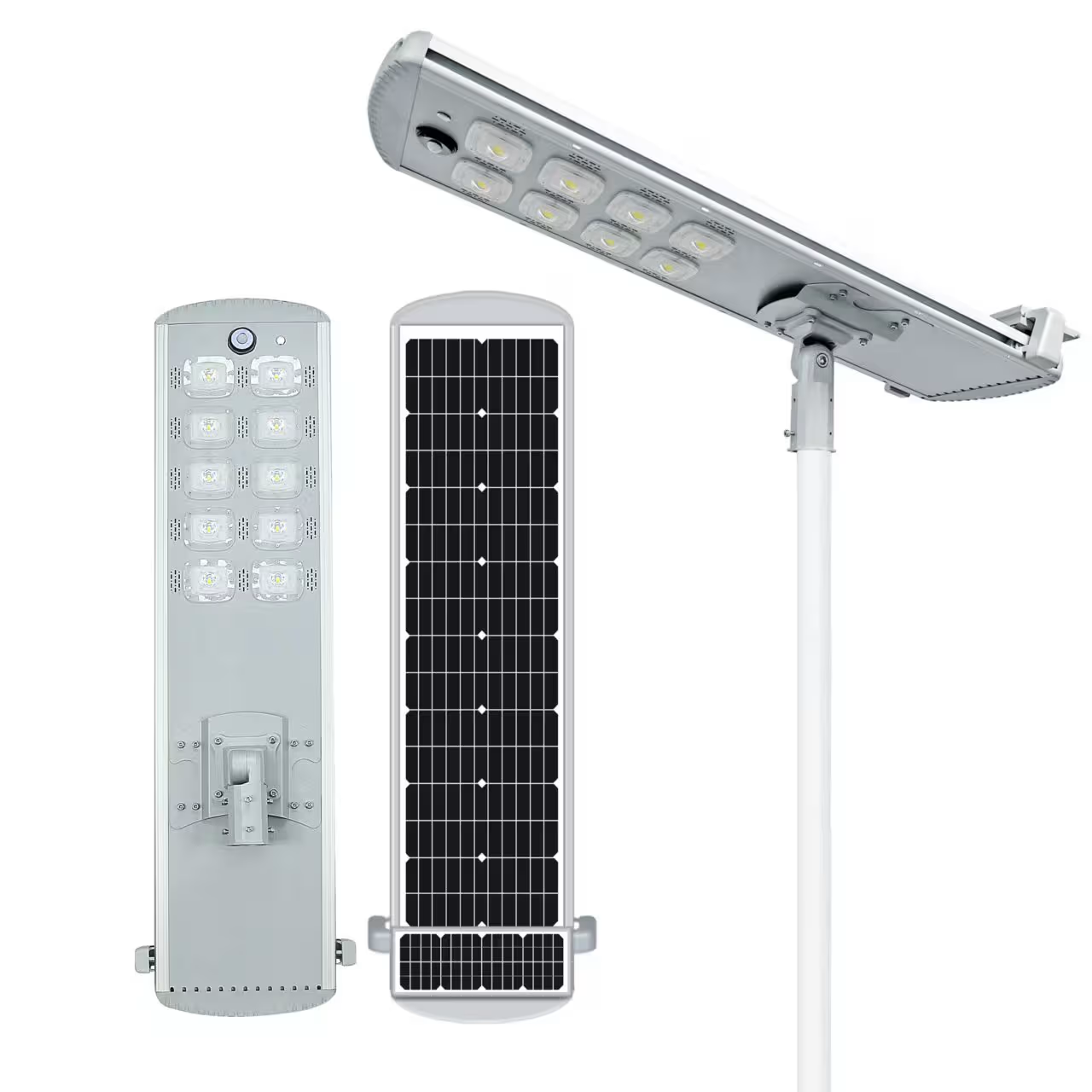
The core components of a solar street light are the solar panel, battery, and LED lamp. The solar panel is responsible for capturing sunlight, so a high-efficiency model is crucial for reliable performance, especially in areas with variable weather. The battery stores this energy for nighttime use; its capacity determines the light’s runtime and ability to function during cloudy spells. The LED lamp provides bright, energy-efficient light, converting stored power into illumination with minimal waste.
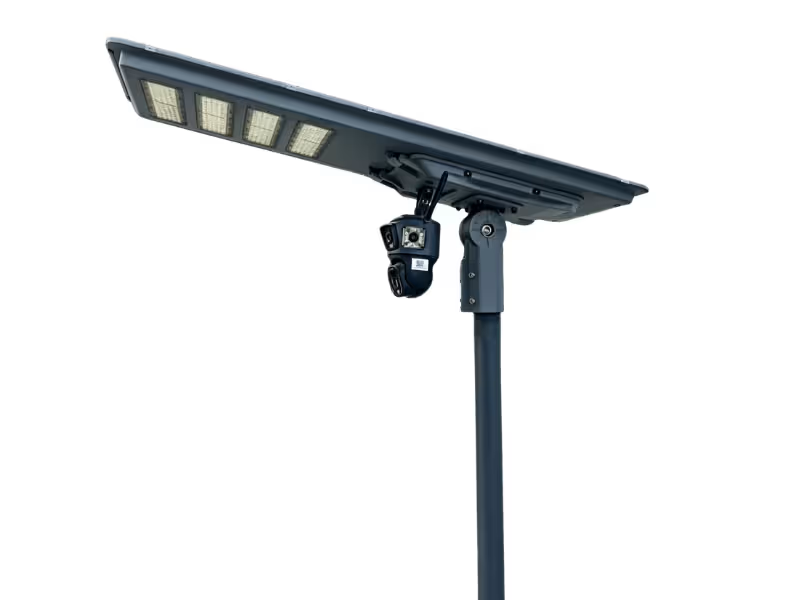
Beyond these essentials, many solar street lights include additional features that enhance their functionality. Motion sensors can be integrated to conserve battery power, increasing brightness only when movement is detected. Smart controllers allow for remote monitoring and scheduling. Finally, a durable, weatherproof housing is essential to protect all internal components from harsh environmental conditions like rain, snow, and extreme temperatures, ensuring longevity and reliable operation year-round.
The Pros: Why Solar Street Lights Shine
Solar street lights are a smart investment for municipalities, developers, and businesses looking to save money, reduce their environmental impact, and improve public safety. They combine long-term financial benefits with practical, maintenance-low technology, making them an increasingly popular choice for modern infrastructure projects.
Cost Savings
The most significant financial advantage of solar street lights is the complete elimination of electricity costs. By relying entirely on sunlight, these systems operate off-grid, resulting in zero monthly energy bills. For a city or large commercial property, replacing hundreds of traditional street lights can translate into tens of thousands of dollars in annual savings. Furthermore, installation is far cheaper and faster. There is no need for expensive trenching, underground cabling, or connecting to the electrical grid, which dramatically reduces labor and material costs.
Over their lifespan, solar street lights deliver substantial financial returns. While the initial investment may be higher than that of conventional lights, the savings on electricity and installation costs mean they often pay for themselves within a few years. With minimal maintenance needs and long-lasting components like LED lamps and durable batteries, the total cost of ownership is significantly lower, making them a fiscally responsible choice for long-term urban and rural planning.
Environmental Benefits
Solar street lights are a cornerstone of green infrastructure, harnessing clean, renewable energy from the sun. This directly reduces reliance on power plants that burn fossil fuels, which are major contributors to air pollution and climate change. Every solar street light installed is a step toward a more sustainable energy future, decreasing the strain on national power grids.
By operating without grid electricity, these lights have a zero-emissions profile. A single solar street light can prevent the release of hundreds of pounds of carbon dioxide annually compared to its traditional counterpart. For cities and corporations aiming to meet sustainability goals, adopting solar lighting is a visible and impactful way to reduce their overall carbon footprint and demonstrate a commitment to environmental stewardship.
Easy Installation
The installation process for solar street lights is remarkably simple and efficient. Because they are self-contained units that do not require a connection to the electrical grid, extensive wiring, trenching, and civil works are eliminated. Most systems can be mounted directly onto new or existing poles by a small crew with basic tools, drastically reducing installation time and associated labor costs.
This independence from the grid also offers unparalleled flexibility in placement. Solar street lights can be installed in remote or hard-to-reach locations where extending power lines would be logistically difficult or prohibitively expensive. This includes rural roads, parks, construction sites, and developing communities. Their modular design allows for easy setup and relocation if needed, providing illumination exactly where it is required most.
Safety and Security
Well-lit streets and public spaces are a proven deterrent to criminal activity. The bright, consistent illumination from solar street lights significantly enhances night-time visibility, discouraging vandalism, theft, and other illicit behavior. By lighting up dark corners in parks, parking lots, and alleyways, they help create safer environments for residents and visitors alike, fostering a greater sense of community security.
Improved visibility also reduces the risk of accidents for both pedestrians and drivers. Properly illuminated pathways help prevent trips and falls, while well-lit roadways allow drivers to better spot hazards, cyclists, and people crossing the street. This is particularly crucial in areas without existing lighting infrastructure, where solar street lights can provide a life-saving solution without the cost of grid expansion.
Many modern solar street lights are equipped with motion-activated sensors that add an extra layer of security. These lights can operate in a dim mode to conserve energy and then switch to full brightness when movement is detected. This sudden increase in light can startle potential intruders while alerting residents or security personnel to activity in the area, all while maximizing battery efficiency.
The Cons: Where Solar Street Lights Fall Short
While solar street lights offer compelling benefits, they are not without limitations. Understanding these potential drawbacks is crucial for city planners and property owners to make informed decisions and set realistic performance expectations.
Weather Dependency
The most significant challenge for solar street lights is their reliance on direct sunlight. Solar panels require consistent, strong UV exposure to fully charge the batteries. During extended periods of overcast or cloudy weather, the charging efficiency drops significantly. This can lead to reduced performance at night, where lights may run dimmer than intended or shut off completely before dawn because the battery didn’t receive a full charge during the day.
Geography plays a major role in this limitation. Regions with long, dark winters or frequent heavy rainfall face distinct challenges. In northern latitudes where daylight hours are short during winter, there may simply not be enough sun to power the light through a long night. Furthermore, accumulated snow on the panels can completely block sunlight, rendering the light useless until it melts or is manually cleared.
Environmental factors such as dust and dirt also affect efficiency. In arid or dusty environments, a layer of grime can build up on the surface of the solar panel, obstructing sunlight absorption. To maintain peak performance, these systems require regular cleaning, which can be a logistical challenge if the lights are installed high up on poles or in hard-to-reach areas.
Light Intensity and Duration
When comparing raw brightness, solar street lights often lag behind their traditional grid-tied counterparts. While LED technology has improved immensely, high-intensity discharge (HID) lamps used in conventional street lighting still generally produce higher lumen outputs. For areas requiring stadium-level brightness or critical visibility for high-speed traffic, solar options might not provide the intensity needed for maximum safety.
Battery capacity also dictates a hard limit on runtime. Unlike wired lights that draw constant power, solar lights have a finite energy reserve. Once the battery is depleted, the light goes out. In high-traffic areas where the light must remain at full brightness all night, a standard solar battery might drain too quickly. Many models combat this by dimming when no motion is detected, but this intermittent lighting isn’t suitable for every application.
Initial Cost
Although solar street lights save money over time, the upfront investment can be steep. High-quality commercial units featuring efficient monocrystalline panels, durable lithium batteries, and smart controllers are significantly more expensive than standard light fixtures. For a large-scale project involving hundreds of units, this initial capital requirement can be a barrier to entry.
There is also a stark “you get what you pay for” reality in this market. Cheaper, budget-friendly models often compromise on battery quality or weatherproofing. While tempting to save money upfront, these units may fail prematurely or provide inadequate lighting, leading to higher replacement costs down the road. Investing in reliable, premium brands is essential but requires a larger initial budget.
Maintenance Needs
While often marketed as “maintenance-free,” solar street lights do require attention. As mentioned, panels need periodic cleaning to ensure charging efficiency. More importantly, rechargeable batteries have a limited lifespan. Even high-quality lithium-ion batteries will eventually degrade and need replacement every 3 to 5 years, adding recurring costs and labor requirements that grid-tied lights don’t share to the same extent.
Making the Right Choice: What to Look For
Choosing the right solar street light involves understanding key technical specifications that directly impact performance, durability, and long-term value. With the market flooded with options ranging from budget models to commercial-grade systems, knowing what to look for ensures you select a light that meets your specific needs.
Panel Size and Efficiency
The solar panel is the powerhouse of the entire system, and generally, bigger is better. Larger surface areas capture more sunlight, which translates to faster and more efficient charging, a critical factor in areas with limited daylight hours or frequent cloud cover. When a panel is undersized, it may fail to fully charge the battery during the day, leading to lights dimming prematurely or shutting off completely halfway through the night.
Beyond size, the type of technology matters. Look for monocrystalline solar panels, which are easily identified by their uniform dark look. These are the most efficient type available, converting a higher percentage of sunlight into electricity compared to polycrystalline or thin-film alternatives. While they may cost slightly more, their superior performance in low-light conditions makes them the best choice for reliable street lighting.
Battery Capacity
Battery capacity is measured in milliampere-hours (mAh) or, sometimes, in watt-hours (Wh), and it determines how much energy the system can store. A higher rating means the battery has a larger “fuel tank,” allowing the light to stay illuminated for longer periods without needing a recharge. For street lighting, where consistent all-night visibility is often required, you should prioritize models with substantial storage capacity.
Consider your specific usage needs when evaluating capacity. If you need the light to run at full brightness from dusk till dawn, look for a high-capacity lithium-ion or LiFePO4 battery that offers 2-3 nights of backup power. This “autonomy” ensures the light continues to function correctly even after a couple of cloudy days where charging is suboptimal. For less critical applications, a smaller capacity might suffice.
Lumen Output
Lumens measure the total amount of visible light emitted by a source—essentially, how bright the light is. Unlike watts, which measure energy consumption, lumens tell you the actual illumination level. Higher lumens mean a brighter light, but they also require more battery power to sustain. It is crucial to balance the brightness you want with the battery life you need.
For general residential pathways or garden perimeters, a range of 1,000 to 3,000 lumens is typically sufficient to provide safe visibility without being overwhelming. However, for public streets, parking lots, or security perimeters, look for commercial-grade units with 5,000 lumens or more. Always check that the lumen output matches the intended application to avoid ending up with a light that is too dim for safety or too bright for comfort.
Durability and Weatherproofing
Since these lights live outdoors 24/7, durability is non-negotiable. Check the Ingress Protection (IP) rating, which indicates resistance to dust and water. An IP65 rating is the standard to look for, meaning the unit is dust-tight and can withstand powerful water jets (heavy rain). Additionally, choose housings made from corrosion-resistant aluminum or high-impact ABS plastic to prevent rust and sun damage over time.
Sensor Features
Smart features can significantly extend battery life and utility. Look for lights with adjustable motion detection, which allows the unit to dim when the area is empty and brighten instantly when someone approaches. Dusk-to-dawn sensors are also essential; they automate the on-off cycle based on ambient light levels, providing hassle-free operation while ensuring energy isn’t wasted during daylight hours.
Real-World Performance and Expert Views
Solar street lights have proven to be a practical and transformative solution in many settings, offering tangible benefits for communities and property owners. Here’s a closer look at how they perform in real-life scenarios and what industry experts have to say.
Case Study: Community Lighting Project
Consider a remote rural village that previously had no public lighting, leaving its main paths and community square in complete darkness after sunset. By installing a series of all-in-one solar street lights, the community established a safe, well-lit environment without the prohibitive cost of extending the national power grid to their area. The installation was completed in just a few days, immediately enhancing visibility and safety for residents walking at night.
The project resulted in significant positive outcomes. Local officials reported a noticeable decrease in petty crime and a rise in community activities after dark, as residents felt safer gathering outdoors. The cost savings were immense, as there were no electricity bills or trenching expenses. The project not only improved safety but also fostered a stronger sense of community, all powered by clean, sustainable energy.
Expert Insight: Lighting Engineer
I’m Nicole, Founder of Sigostreetlight, where we specialize in innovative solar and LED lighting solutions. For new developments or retrofitting in areas without existing infrastructure, I believe solar street lighting is an exceptional choice. The technology has advanced to provide reliable brightness for most public roads, parks, and parking lots. Plus, its off-grid nature eliminates costly trenching, often the most expensive part of a lighting project.
That said, for critical infrastructure such as highways or tunnels, where 100% uptime and extreme brightness are essential, wired lighting remains the better option. It’s all about evaluating specific needs—solar excels in flexibility, cost-effectiveness, and sustainability for standard applications, while wired lighting is ideal for mission-critical, high-demand scenarios. I’m passionate about creating brighter, sustainable communities, so feel free to reach out anytime to discuss your lighting needs!
Are They Good For You?
Solar street lights can be a fantastic choice for many situations, but they aren’t a one-size-fits-all solution. Here’s a breakdown to help you decide if they’re the right fit for your specific needs.
Yes, if:
- You prioritize sustainability: If reducing your carbon footprint and utilizing renewable energy are top goals for your community or business, solar street lights are the clear winner. They operate with zero emissions and demonstrate a tangible commitment to green infrastructure.
- You want to eliminate electricity bills: For budget-conscious projects, the allure of zero monthly energy costs is undeniable. If you are looking to significantly reduce operational expenses over the long term, these lights provide an excellent return on investment.
- Easy installation is a priority: If you are working in an area where digging trenches for electrical wiring is too expensive, disruptive, or logistically impossible, solar lights are the perfect alternative. They can be deployed quickly in remote locations, parks, or rural roads without the need for complex grid connections.
- You need reliable perimeter security: For general safety in parking lots, pathways, or residential streets, the brightness provided by modern solar LEDs is more than sufficient to deter crime and ensure safe passage.
Maybe not, if:
- You need high-intensity, stadium-level lighting: If your project requires blindingly bright illumination for high-speed highways or detailed task work, solar options may struggle to compete with the raw power of grid-tied HID or high-wattage LED fixtures.
- Your location lacks consistent sunlight: Geography matters. If you are situated in a region with extremely long winters, very short daylight hours, or persistent heavy cloud cover, the panels may struggle to generate enough charge to last through the night consistently.
- The location is heavily shaded: Solar panels need a direct line of sight to the sun. If your proposed installation site is under dense tree canopies or in the constant shadow of tall skyscrapers, the charging efficiency will be severely compromised.
- You require 100% guaranteed uptime for critical infrastructure: While reliable, solar lights are battery-dependent. In mission-critical scenarios where a light failure could be catastrophic (like major tunnels or intersections), the redundancy and constant power of the grid might still be the safer bet.
Frequently Asked Questions
How do solar street lights work?
Solar street lights use photovoltaic (PV) panels to absorb sunlight and convert it into DC electricity. This energy is stored in a rechargeable battery during the day. At night, a sensor activates the LED lamp, which draws power from the battery to provide illumination.
Are they bright enough for public spaces?
Yes, many commercial-grade solar street lights are designed for public spaces. Look for models with high lumen outputs (5,000+ lumens) to ensure sufficient brightness for streets, parking lots, and parks. The brightness is comparable to many traditional lighting systems.
Do they work in cloudy weather?
Solar street lights can work on cloudy days, as panels still absorb ambient light, but their charging efficiency is reduced. High-quality systems include batteries with enough capacity to last for several nights, ensuring they still function after one or two overcast days.
How long do they last at night?
On a full charge, most solar street lights are designed to last all night (8-12 hours). The exact runtime depends on the battery capacity, the light’s power consumption, and whether it uses energy-saving features like motion sensors or dimming modes.
What maintenance is required?
Maintenance is minimal but necessary. Panels should be cleaned periodically to remove dust or debris that can block sunlight. The main recurring task is replacing the battery, which typically has a lifespan of 3-5 years, depending on the technology and usage.
Are they weatherproof?
Yes, reputable solar street lights are built to be weatherproof. Look for an IP rating of IP65 or higher, which ensures the fixture is protected against dust ingress and powerful water jets from any direction, making it suitable for rain, snow, and wind.
Concluding Summary
Solar street lights represent a practical, forward-thinking choice for anyone seeking sustainable and budget-friendly outdoor illumination. They excel at delivering reliable security and ambient lighting while completely eliminating electricity bills and bypassing complex installation processes. However, they are not a universal solution for every lighting challenge. Their reliance on consistent sunlight and battery capacity means they may face limitations in regions with harsh winters or for projects requiring high-intensity, stadium-level brightness.
Ultimately, the “bright truth” lies in understanding your specific environment and project goals. By carefully weighing the substantial long-term savings and environmental impact against the technical constraints, you can determine if this technology aligns with your vision. Whether you are illuminating a quiet park path or a busy community street, evaluating your unique needs will ensure you make an informed decision that delivers value for years to come.