
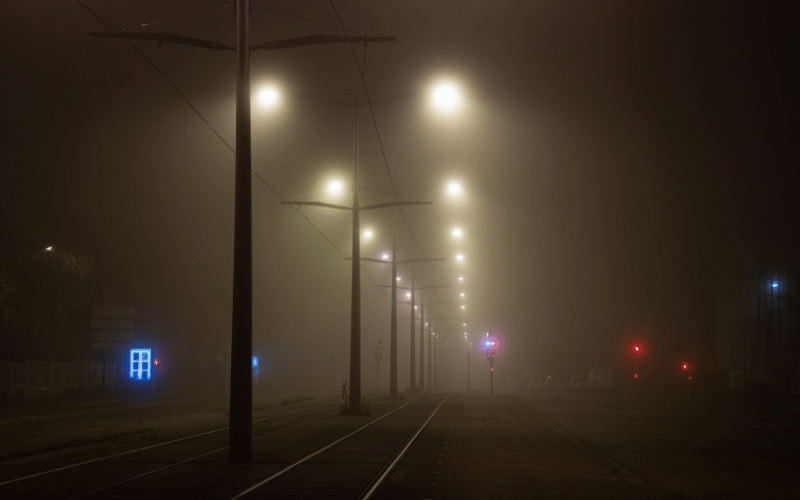
When planning municipal or commercial lighting projects, street light pole height is one of the most crucial factors to consider. The right pole height can enhance public safety, improve visibility, and contribute to the area’s aesthetic appeal. Whether you want to create a well-lit, secure environment, define pedestrian pathways, or ensure efficient illumination, understanding standard pole heights, local regulations, and the maximum height of street lights is essential. Making the correct choice from the start ensures that the lighting installation is both practical and compliant.
How Standard Street Light Pole Heights Vary by Purpose and Location
Street light poles come in various heights depending on their purpose and location. Selecting the right height can enhance both the functionality and safety of the illuminated space. Here’s a deeper dive into standard street light pole heights and their purposes to help guide your choices.
Residential Street Lights
Residential street light pole heights typically range from 8 to 20 feet (2.5 to 6 meters). This allows for adequate illumination of sidewalks and local roads while minimizing light pollution into homes. They are often styled for greater decorative appeal, which can contribute to neighborhood curb appeal while maintaining a sense of community. These poles must comply with local regulations to promote safety and ensure that sight lines for vehicles and pedestrians are clear without being overly intrusive. The goal is to create a safe, welcoming atmosphere for residents.
Highway Street Lights
How tall is a highway street light? Usually, they are between 40 and 100 feet (12 to 30 meters) and are designed to provide broad, uniform light over large, multi-lane roads. The average height is around 50 feet, but some major interchanges require taller poles to ensure drivers have a clear view far ahead. It’s essential to keep in mind transportation authority guidelines, as they dictate how tall these poles can be for maximum safety and visibility at high speeds. Common materials include steel and concrete, offering durability against weather and wind.
Parking Lot Street Lights
The standard parking lot street light pole height is often required to be at least 15 to 30 feet (4.5 to 9 meters) high to ensure security and visibility across the area. They can be fitted with single or multiple luminaires, providing different levels of brightness and coverage depending on the lot’s size and use. Many local codes mandate specific light levels for safety, so it’s essential to familiarize yourself with these requirements when designing a parking lot lighting system to deter crime and prevent accidents.
Rules and Regulations for Street Light Pole Heights
Navigating the rules surrounding average street light pole height can be tricky, but understanding these regulations is essential to avoid issues down the road. Most municipalities impose specific restrictions on pole heights, particularly in residential and historical areas, to maintain uniformity and ensure safety. Height limits can vary, often capping residential poles at around 20 feet and commercial poles at 30 feet, while state or federal transportation bodies set highway standards.
Before installing a light pole, check whether you need a permit. Many local governments require permits for poles over a certain height. Failing to obtain the necessary permits can result in fines or the need to remove the pole. Open communication with community boards or homeowners’ associations about your plans is crucial for preventing disputes.
It’s also important to be aware of structural and material requirements, as some communities have specific rules to maintain aesthetic appeal or ensure wind-load-bearing capabilities. Many areas also have regulations for pole maintenance, as neglect can lead to safety hazards and liability issues.
Local Zoning Laws
Local zoning laws serve different purposes and generally have strict restrictions on pole height. These regulations typically specify maximum heights in residential zones to maintain visibility for drivers and pedestrians and prevent light trespass. If you’re considering a new lighting installation, be sure to check with your local zoning office or planning department for specific regulations that apply to your project area.
Safety Standards
Safety standards are technical and practical, highlighting the importance of pole heights to ensure compliance with national codes like the AASHTO “Roadside Design Guide.” These standards often dictate minimum clearance heights over roadways and setback distances from the curb. Proper height ensures light is distributed effectively, avoiding dark spots or glare, which can be hazardous for both drivers and pedestrians.
How to Measure Street Light Pole Height
After determining how high a street light pole can be, you’ll need to measure it. Accurately measuring pole height is vital for ensuring compliance with regulations and achieving the desired lighting effect. How to measure street light pole height?
Measuring from Ground Level
Begin your measurement from the ground level at the base of the pole to the top of the pole structure. Please do not include the luminaire (light fixture) itself unless specified by regulations. This provides an accurate reading of the actual mounting height.
Accounting for Uneven Terrain
If the ground is sloped or uneven, measure at the high point and low point of the base. Regulations often specify whether to average these measurements or use the lowest point as the official ground level to ensure clearance requirements are always met.
Considering Pole Depth
Ensure that you measure only the visible section of the pole above the ground. The height measurement should not include any part of the pole’s foundation that is buried underground for structural support, as this is not part of the functional mounting height.
Maximum Legal Height for Street Light Poles
Understanding the maximum legal height for a street light pole can save you from compliance headaches later on. Here are typical guidelines:
- Residential Roads: Often allowed to be between 8 and 20 feet high.
- Commercial Areas & Parking Lots: Generally limited to about 20 to 30 feet to ensure safety and broad coverage.
- Highways & Major Arterials: Can range from 40 to 100 feet or more, as determined by transportation authorities.
Conclusion
Choosing the right street light pole height is vital for enhancing a property’s or community’s safety, functionality, and appeal. By familiarizing yourself with standard pole heights for different applications and understanding local regulations, you can confidently design a lighting system that meets your needs while adhering to the law. Always consider the purpose, from residential comfort to highway safety, to make an informed decision that balances performance with compliance.
If you are not ready to tackle the project yourself, consult with professional lighting designers or engineers who can ensure your installation complies with all height regulations and safety standards. They can provide you with information on how tall your street light poles should be and help you install them properly.