
As solar street lighting becomes more popular, many communities and organizations considering the switch want to know: How long does a solar street light last? While the lifespan of a solar street light varies depending on its components and maintenance, in general, modern systems are designed to provide reliable performance for years, often exceeding the longevity of traditional grid-powered lighting systems.
Solar Street Lights: The Basics
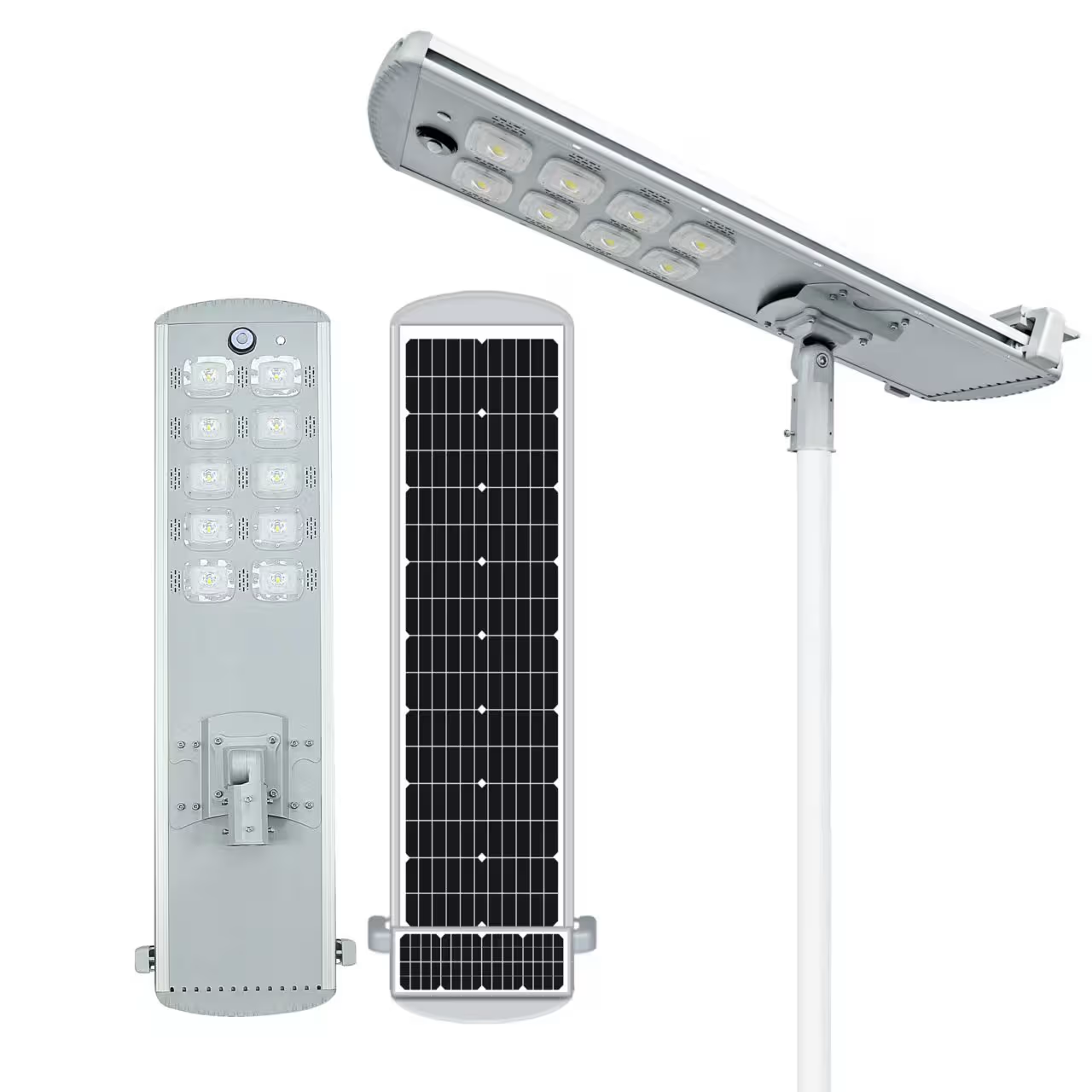
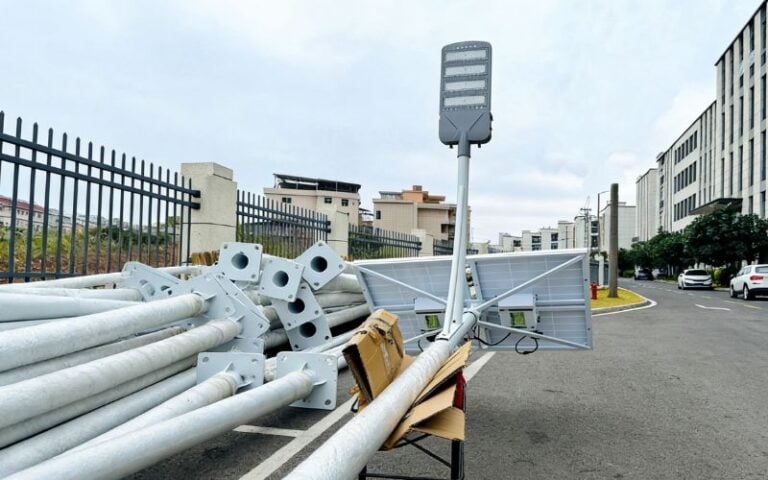
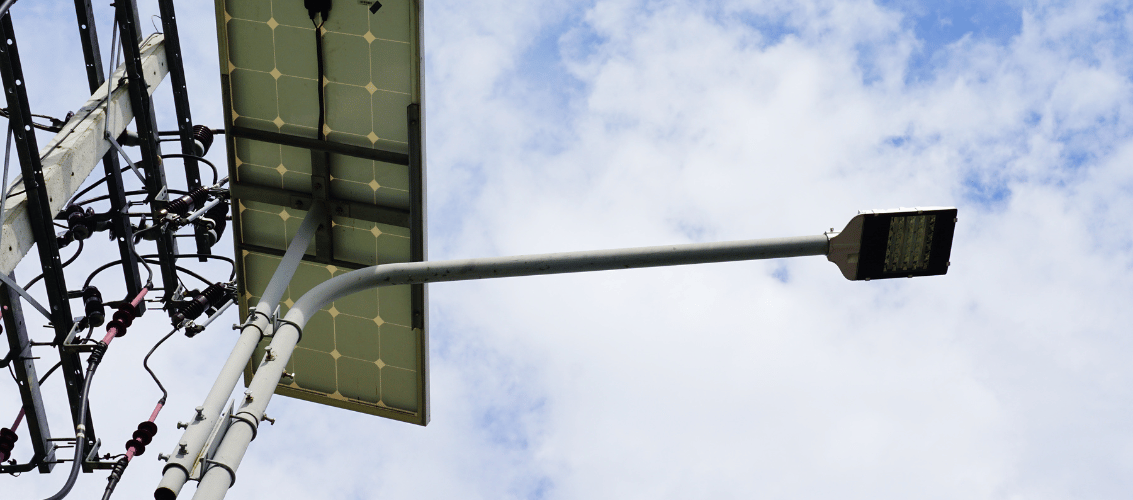
Solar street lights are powered by a combination of advanced components that work together to deliver efficient, sustainable outdoor lighting. These components include the solar panel, battery, LED light, and controller, each playing a critical role in the system’s functionality.
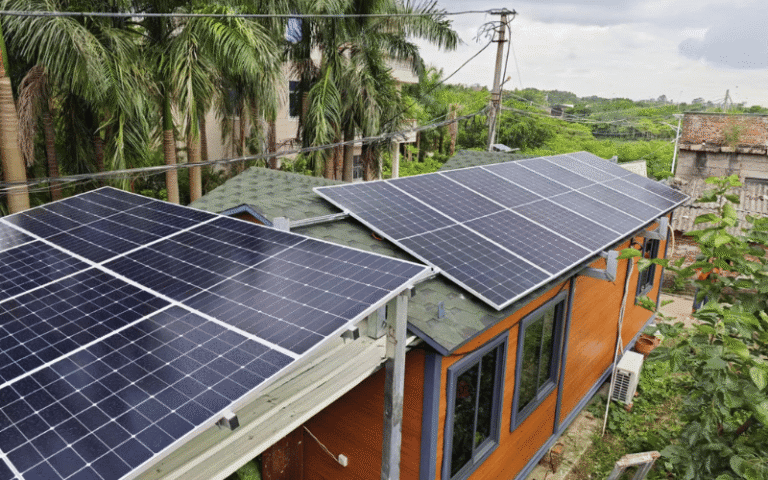
Solar panels are the primary energy source, converting sunlight into electricity. Modern panels are highly efficient, ensuring maximum energy generation even in less-than-ideal conditions. The energy is stored in rechargeable batteries, typically lithium-ion, which are more energy-dense and longer-lasting than older battery technologies. These batteries ensure that the lights remain operational throughout the night.
LED lights are used for illumination due to their high energy efficiency and long lifespan. They produce bright light while consuming minimal power, making them ideal for solar applications. Controllers regulate the energy flow between the solar panel, battery, and LED lamp, ensuring optimal performance and protecting the system from overcharging or deep discharging.
Advancements in solar technology and energy storage have significantly improved the efficiency and durability of solar street lights. With decreasing costs and increasing performance, solar street lights are becoming a more viable and long-lasting solution for outdoor lighting needs.
How Do Solar Street Light Batteries Degrade?
Solar street light batteries typically degrade over time due to factors such as temperature, charge cycles, and age. Extreme weather conditions, frequent charging and discharging, and natural aging all contribute to a gradual decline in battery performance over time.
Temperature plays a significant role in battery degradation. High temperatures, in particular, can accelerate chemical reactions within the battery, reducing its lifespan. Similarly, icy conditions can impact the battery’s ability to store and release energy efficiently. Charge cycles also affect battery longevity. As the battery repeatedly charges during the day and discharges at night, its capacity slowly diminishes. However, even when not in use, batteries undergo calendar degradation, losing capacity simply with the passage of time.
Modern battery management systems (BMS) help mitigate these effects by regulating charging and discharging. These systems prevent overcharging, deep discharging, and overheating, ensuring optimal performance and extending battery life. By incorporating advanced BMS technology, solar street light batteries can better withstand the challenges of extreme weather and frequent use, making them more reliable and durable.
How Long Does a Solar Street Light Last?
So the question remains: How long can you expect a solar street light to last? Typically, solar street lights have a lifespan ranging from 5 to 15 years, depending on the quality of their components. High-quality systems with advanced technology tend to last longer, providing reliable performance over time.
Advancements in battery technology and solar panels have significantly extended the lifespan of solar street lights. Modern lithium-ion batteries, for example, offer higher energy density and slower degradation, ensuring consistent energy storage and usage. Similarly, solar panels are now more efficient and durable, maintaining their energy conversion capabilities for 20-25 years. These improvements mean that solar street lights can operate effectively for extended periods with minimal maintenance.
Additionally, individual components, such as batteries, can often be replaced without requiring the entire system to be replaced. This modularity not only reduces costs but also ensures that the system remains functional for many years. By investing in high-quality components and regular maintenance, solar street lights can provide sustainable and long-lasting illumination for a variety of applications.
How Does Solar Street Light Longevity Compare to Traditional Street Lights?
The lifespan and maintenance requirements of solar street lights far exceed those of traditional grid-powered street lights, making them a more sustainable and cost-effective option over time. While conventional street lights typically last 5-10 years, solar street lights can last 5-15 years or more, depending on the quality of their components.
Solar street lights also require significantly less maintenance. Traditional street lights rely on grid connections, which can be prone to outages and require regular inspections and repairs. In contrast, solar street lights operate independently, reducing the need for extensive infrastructure and minimizing maintenance costs. Additionally, advancements in battery technology and solar panels have improved the durability and efficiency of solar systems, further extending their lifespan.
Over time, solar street lights offer substantial cost savings and environmental benefits. By eliminating electricity costs and reducing carbon emissions, they provide a greener alternative to traditional lighting. Their longer lifespan and reduced maintenance needs make them a compelling choice for municipalities and organizations looking to invest in sustainable infrastructure.
How to Extend the Lifespan of Solar Street Lights
While solar street lights are designed for durability, there are specific steps you can take to maximize their lifespan and ensure optimal performance.
Follow Manufacturer Guidelines
It is essential to adhere to the manufacturer’s installation and maintenance instructions. Each solar street light system is designed with specific components and configurations, so following the recommended guidelines ensures proper operation and longevity. Proper installation, in particular, can prevent issues like water damage or inefficient energy storage.
Maintain Moderate Temperatures
Extreme temperatures, whether hot or cold, can negatively impact the performance and lifespan of solar street lights. To mitigate these effects, consider placing the lights in locations that minimize exposure to harsh conditions. For example, avoid areas prone to excessive heat buildup or freezing temperatures. Protective measures, such as using weather-resistant enclosures, can also help maintain stable operating conditions.
Regular Maintenance
Routine maintenance is crucial for extending the life of solar street lights. Cleaning the solar panels ensures maximum energy absorption, while periodic checks of the batteries and other components help identify and address potential issues early. Regularly inspecting the system for wear and tear can prevent small problems from becoming costly repairs.
By following these actionable tips, you can significantly enhance the durability and efficiency of solar street lights, ensuring they provide reliable and sustainable lighting for years to come.
A Solar Street Light’s Second Life
One of the most exciting aspects of solar street light components, especially for eco-conscious communities, is their potential for repurposing or recycling. Even as batteries lose efficiency for powering street lights (typically around 70% of their maximum charge capacity), they can still serve a sustainable purpose in other applications. For example, these batteries can be repurposed for energy storage in homes or small-scale renewable energy projects, extending their usefulness and reducing waste.
Some manufacturers and organizations collect or buy back used batteries to power other initiatives, such as off-grid energy systems or backup power supplies. Solar panels, too, can often be recycled or reused for less demanding applications, further contributing to sustainability efforts. This ensures that the environmental benefits of solar street lights continue long after their primary use.
As solar technology continues to improve, components are becoming more durable, efficient, and easier to recycle. This means that solar street lights not only provide sustainable lighting during their lifespan but also contribute to a circular economy by offering a second life for their components.
Conclusion
Solar street lights are a durable, efficient, and environmentally friendly solution for outdoor lighting. With proper care and maintenance, they can provide reliable illumination for many years, significantly reducing energy costs and environmental impact. Thanks to ongoing advancements in solar panels, batteries, and smart lighting technology, the future of solar street lights looks even brighter. By investing in high-quality solar street lights and following best maintenance practices, you can ensure they serve your needs for years to come while contributing to a more sustainable world.
Interested in Solar Street Light? Connect with us today.