

Sewing requires precision, and good lighting plays a crucial role in achieving it. Without proper illumination, even the most skilled hands can struggle with uneven stitches or missed details. A well-lit workspace not only enhances accuracy but also reduces eye strain, making long sewing sessions more comfortable.
This article will guide you through the essentials of sewing machine lights. We’ll explore the different types available, key features to look for, and practical tips to help you make the best choice. Whether you’re a beginner or an experienced sewist, understanding your lighting options can transform your sewing experience.
I’ve worked with many sewing enthusiasts who faced challenges with poor lighting. They often didn’t realize how much a simple upgrade could improve their results. By the end of this guide, you’ll know exactly what to look for to achieve both precision and comfort in your sewing projects.
The Role of Sewing Machine Lights
Sewing is an art that thrives on precision, and the proper lighting can make all the difference. Let’s dive into why sewing machine lights are more than just an accessory—they’re a necessity for every sewist.
What is a Sewing Machine Light?
Think of a sewing machine light as your personal spotlight, illuminating your creative stage. These lights are specifically crafted to brighten the sewing area, ensuring every stitch, seam, and detail is clearly visible. Unlike standard room lighting, sewing machine lights focus directly on your workspace, eliminating shadows and dark spots that can hinder your progress.
Their purpose is simple yet vital: to provide consistent, targeted illumination that enhances your ability to sew with accuracy and ease. Whether you’re working on intricate embroidery or piecing together a quilt, a sewing machine light ensures you see every thread and fabric detail clearly.
Why Proper Illumination Matters
Good lighting isn’t just about seeing better—it’s about sewing smarter. Here’s why proper illumination is a game-changer for your projects:
-
Reducing Eye Strain and Fatigue
Long sewing sessions can take a toll on your eyes, especially if you’re squinting to see fine details. A well-placed sewing machine light minimizes eye strain, allowing you to work comfortably for hours without feeling drained. -
Enhancing Stitch Accuracy
Ever tried sewing on dark fabrics or working with detailed patterns under poor lighting? It’s a recipe for frustration. Proper illumination ensures you can follow your stitching lines with precision, reducing mistakes and improving the overall quality of your work. -
Improving Color Accuracy
Lighting plays a crucial role in how you perceive colors. Poor lighting can distort fabric hues, leading to mismatched threads or unintended color combinations. A good sewing machine light helps you see true colors, ensuring your projects turn out exactly as you envisioned.
In short, sewing machine lights are your silent partner, working behind the scenes to make your sewing experience smoother, more enjoyable, and far more productive. Whether you’re a hobbyist or a professional, investing in proper lighting is one of the smartest decisions you can make for your craft.
Types of Sewing Machine Lights
Choosing the right sewing machine light can feel like navigating a maze of options. Each type of light has its own personality, strengths, and quirks. Let’s break them down so you can find the perfect match for your sewing needs.
Incandescent Lights: The Old-School Classic
Incandescent lights are the traditional bulbs many of us grew up with. They bring a warm, cozy glow to your sewing space, but they come with a few trade-offs.
- Pros: These lights are affordable and easy to find. Their warm light can be gentle on the eyes, creating a comfortable atmosphere for short sewing sessions.
- Cons: Incandescent bulbs are energy hogs. They generate a lot of heat, which can make your workspace uncomfortably warm, especially during long projects. Their lifespan is also relatively short, meaning you’ll need to replace them more often.
While they’ve served sewists well for years, incandescent lights are slowly being phased out in favor of more efficient options.
Halogen Lights: A Brighter Alternative
Halogen lights are like the overachieving sibling of incandescent bulbs. They’re brighter, more efficient, and last longer, but they’re not without their flaws.
- Benefits: Halogen bulbs produce a crisp, white light that’s excellent for detailed work. They’re more energy-efficient than incandescent bulbs and have a longer lifespan.
- Drawbacks: Like their incandescent cousins, halogen lights generate significant heat. They can also be pricier, both in terms of the bulb itself and the energy they consume.
Halogen lights are a step up, but their heat output can still be a dealbreaker for many sewists.
LED Lights: The Modern Marvel
LED lights have taken the sewing world by storm, and for good reason. They’re efficient, versatile, and designed to meet the demands of modern sewists.
- Advantages: LEDs are incredibly energy-efficient, consuming a fraction of the power used by incandescent or halogen bulbs. They last for thousands of hours, so you won’t be replacing them anytime soon. Plus, they produce minimal heat, keeping your workspace cool and comfortable.
- Disadvantages: LED lights can have a higher upfront cost, but their long-term energy and replacement cost savings make them a worthwhile investment. Additionally, not all LEDs are created equal—some may have inconsistent color temperatures, so it’s essential to choose a high-quality option.
If you’re looking for a reliable, long-term solution, LEDs are the clear winner.
Specialized Options: Tailored for Your Needs
Sometimes, a standard sewing machine light isn’t enough. That’s where specialized options come in, offering flexibility and customization for your unique setup.
- Flexible Gooseneck Lamps: These lights are like a helping hand, allowing you to direct light exactly where you need it. They’re perfect for intricate projects or when your machine’s built-in light falls short.
- Magnetic and Clip-On Lights: Need extra light in a pinch? Magnetic and clip-on lights attach easily to your machine or workspace, providing targeted illumination without permanent installation.
- LED Light Strips: For broader, even lighting, LED strips are a fantastic choice. They can be mounted under your machine’s arm or around your workspace, ensuring every inch is well-lit.
Each of these options brings something unique to the table, making it easier to tailor your lighting setup to your specific needs.
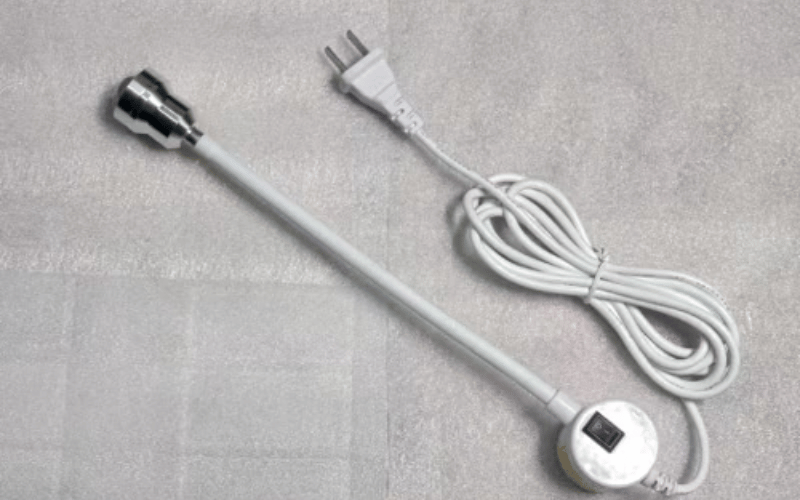
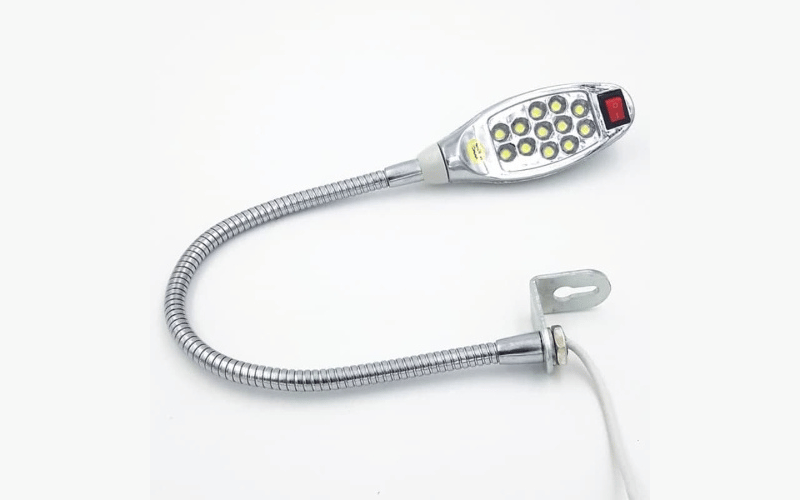
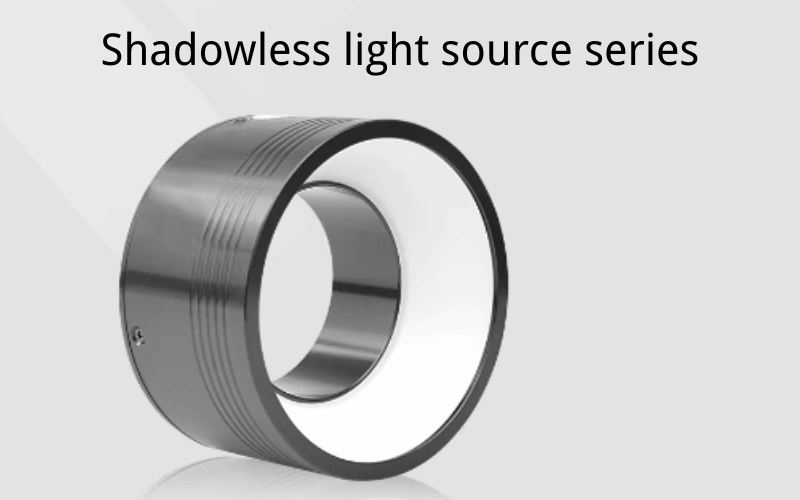
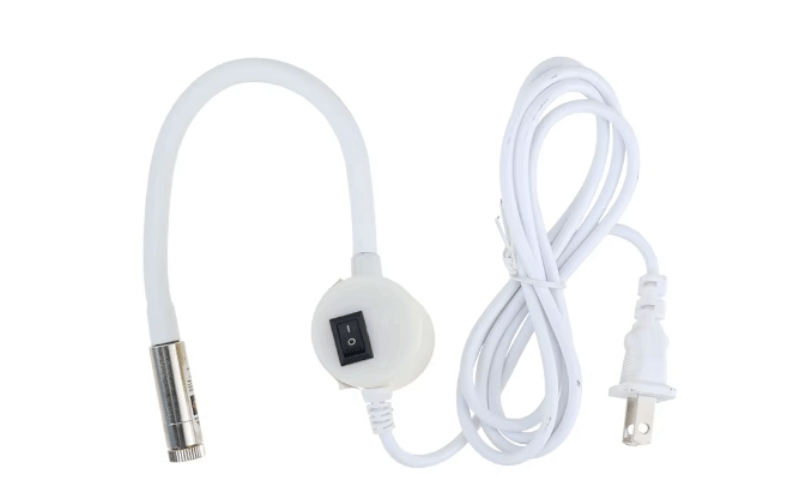
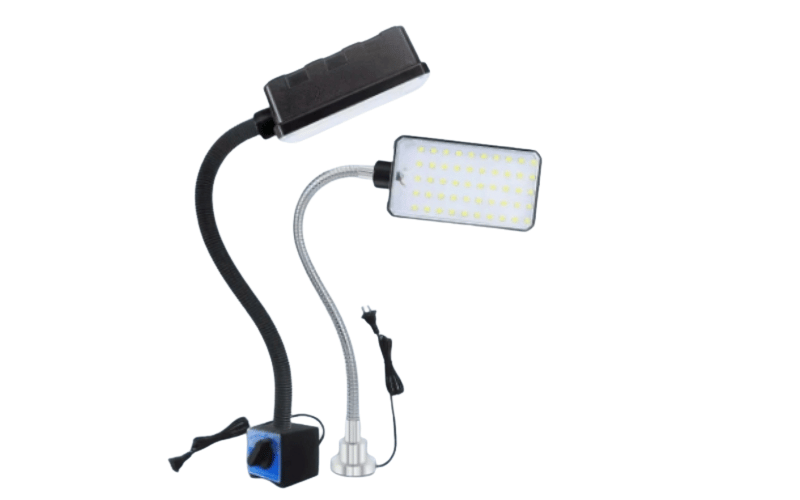
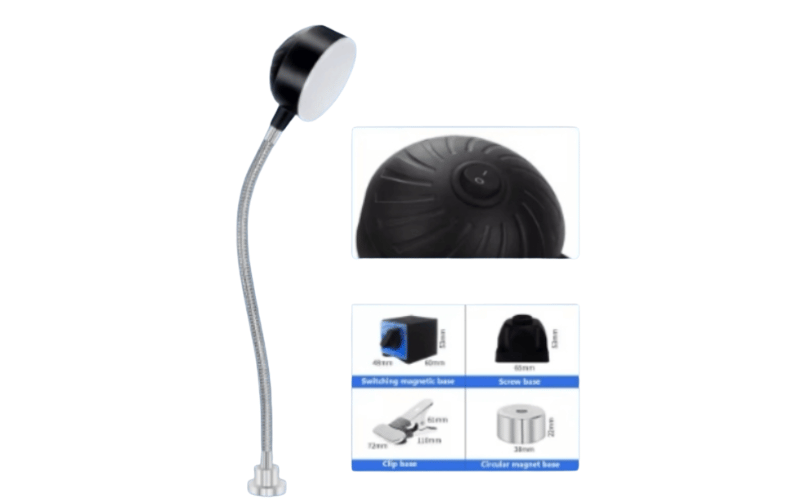
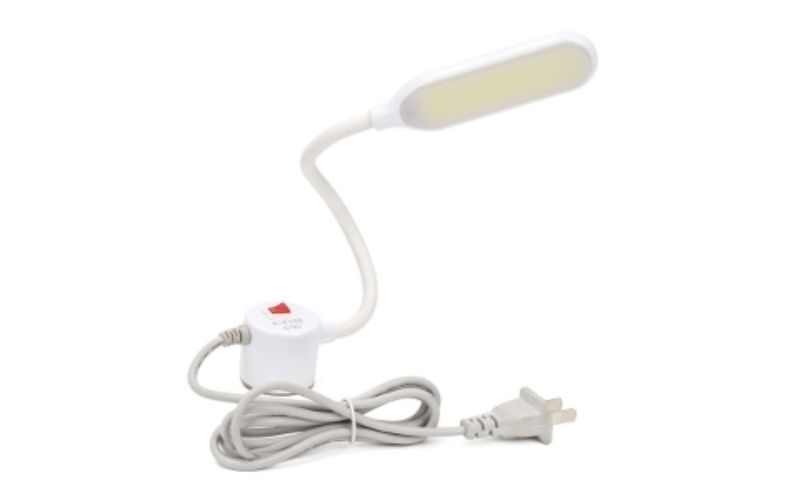
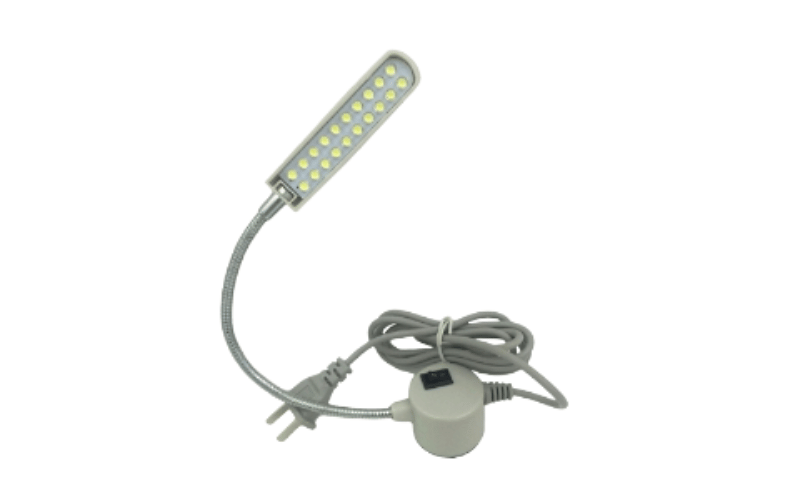
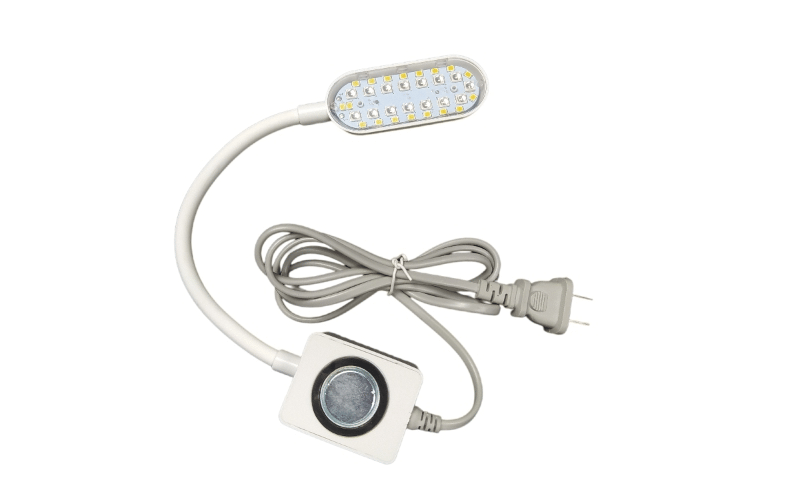
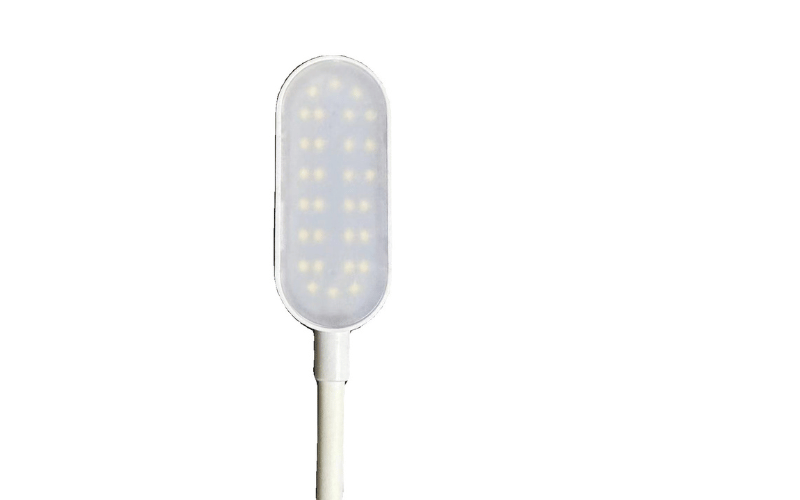
By understanding the strengths and weaknesses of each type of sewing machine light, you can make an informed decision that enhances both your sewing precision and comfort. Whether you’re upgrading an old machine or setting up a new workspace, the right light can transform your sewing experience.
Key Features to Consider
When selecting the perfect sewing machine light, focus on features that directly impact your sewing experience. Let’s break down the key factors to help you make a choice that balances precision and comfort.
Brightness (Lumens)
Brightness is the backbone of adequate sewing machine lighting. Without the right level of illumination, even the most skilled sewist can struggle with accuracy.
- Choosing the Right Brightness: The ideal brightness depends on your sewing environment. For general sewing tasks, a light with 300-500 lumens is usually sufficient. However, for detailed work like embroidery or quilting, aim for 600-800 lumens to ensure every stitch is visible.
- Task-Specific Recommendations: If you’re working with dark fabrics or intricate patterns, opt for higher lumen levels. On the other hand, lighter fabrics or simple projects may not require as much brightness.
Remember, too much brightness can cause glare, so balance is key.
Color Temperature (Kelvin)
Color temperature determines the tone of your light, ranging from warm yellow to cool white. It plays a significant role in how you perceive fabric colors and details.
- Warm vs. Cool Light: Warm light (2700K-3000K) creates a cozy atmosphere but may distort fabric colors. Cool light (4000K-5000K) offers a crisp, daylight-like effect, making it ideal for sewing.
- Ideal Kelvin Range: For true color representation, stick to 4000K-5000K. This ensures you see fabrics and threads in their natural hues, avoiding mismatched colors in your projects.
Choosing the right color temperature can make or break your sewing results, especially when working with vibrant or subtle tones.
Energy Efficiency
Energy efficiency isn’t just about saving money—it’s about creating a sustainable workspace that doesn’t compromise on performance.
- LEDs vs. Traditional Bulbs: LED lights consume significantly less energy than incandescent or halogen bulbs. For example, a 5-watt LED can produce the same brightness as a 40-watt incandescent bulb.
- Long-Term Savings: While LEDs may have a higher upfront cost, their long lifespan and low energy consumption make them a cost-effective choice in the long run. You’ll save on both electricity bills and replacement costs.
Investing in energy-efficient lighting is a win-win for your wallet and the environment.
Mounting and Installation
The way your light is mounted can greatly affect its usability and convenience.
- Built-In vs. Add-On Lights: Many modern sewing machines come with built-in lights, but they’re often insufficient for detailed work. Add-on lights, such as clip-on or adhesive-mounted options, provide extra flexibility and targeted illumination.
- Flexible Mounting Options: Magnetic lights are easy to reposition, while adhesive-mounted lights offer a more permanent solution. Clip-on lights are versatile and can be attached to various parts of your machine or workspace.
- Power Sources: Consider how your light will be powered. USB-powered lights are convenient and portable, while battery-operated options offer flexibility without cords. Direct-wired lights provide a stable, long-term solution but require more effort to install.
Choosing the proper mounting and power option ensures your light works seamlessly with your sewing setup.
By focusing on these key features—brightness, color temperature, energy efficiency, and mounting—you can create a well-lit sewing environment tailored to your needs. Each decision you make will contribute to a more enjoyable and productive sewing experience.
Practical Tips for Using Sewing Machine Lights
A sewing machine light is only as adequate as how you use it. Proper placement, installation, and maintenance can make a world of difference in your sewing experience. Let’s explore some practical tips to help you get the most out of your lighting setup.
Optimizing Light Placement
The way you position your sewing machine light can either enhance or hinder your visibility. Shadows and uneven lighting are common culprits that can disrupt your workflow, but they’re easy to fix with a few adjustments.
- Minimize Shadows: Place your light at an angle that illuminates your sewing area without casting shadows on your fabric. For right-handed sewists, positioning the light slightly to the left can prevent your hand from blocking the beam. Left-handed sewists should do the opposite.
- Combine Lighting Sources: Built-in sewing machine lights often fall short, especially for detailed work. Pair them with external task lighting, such as a clip-on LED or a flexible gooseneck lamp, to create a well-lit workspace. Layering light sources ensures even coverage and reduces eye strain.
A well-placed light doesn’t just brighten your workspace—it transforms it into a precision-focused zone.
Installation and Maintenance
Installing and maintaining your sewing machine light doesn’t have to be complicated. With a bit of care, you can ensure your light performs at its best for years to come.
-
Installing LED Light Strips or Clip-On Lights:
- Clean the surface where you’ll attach the light to ensure a secure fit.
- For adhesive-backed LED strips, peel off the backing and press the strip firmly onto the desired area, such as under the machine’s arm.
- For clip-on lights, attach them to a stable part of your machine or table, ensuring they don’t obstruct your sewing.
- Plug in the light or insert batteries, and adjust the angle for optimal illumination.
-
Maintaining Reflectors and Bulbs: Dust and grime can reduce the effectiveness of your light. Wipe down reflectors and bulbs regularly with a soft, dry cloth. For stubborn dirt, use a slightly damp cloth, but ensure the light is unplugged before cleaning.
Proper installation and maintenance keep your light shining bright and your sewing projects on track.
Troubleshooting Common Issues
Even the best sewing machine lights can encounter problems. Knowing how to identify and address these issues can save you time and frustration.
- Signs Your Light Needs Replacement: If your light starts flickering, dimming, or producing uneven brightness, it’s time for a replacement. LEDs rarely burn out completely, but they can lose efficiency over time.
- Safety Precautions: Always unplug your machine or light before replacing bulbs or troubleshooting. For built-in lights, consult your sewing machine’s manual to avoid damaging internal components.
By staying proactive with troubleshooting, you can avoid interruptions and keep your sewing projects running smoothly.
Final Thoughts on Practical Lighting
Optimizing your sewing machine light is about more than just brightness—it’s about creating a workspace that supports your creativity and precision. With thoughtful placement, proper installation, and regular maintenance, your light becomes a trusted partner in every stitch you sew.
Applications of Sewing Machine Lights
Sewing machine lights are more than just accessories—they’re essential tools that adapt to various sewing environments and needs. Whether you’re working on a cozy home project or managing an industrial setup, the proper lighting can elevate your craft. Let’s explore how these lights shine in different applications.
For Home Sewing Projects
In home sewing, precision is everything. Whether you’re piecing together a quilt, embroidering intricate designs, or constructing garments, proper lighting ensures every detail is visible and every stitch is accurate.
- Quilting: Quilting often involves working with large pieces of fabric and intricate patterns. A bright, evenly distributed light helps you see the stitching lines clearly, especially when working with dark or patterned fabrics. LED light strips under the machine arm can provide broad illumination, making it easier to manage bulky materials.
- Embroidery: Embroidery demands focus on fine details. A flexible gooseneck lamp or clip-on light positioned close to the needle area ensures you can see every thread and design element. Look for lights with adjustable brightness to avoid glare on shiny threads.
- Garment Construction: When sewing garments, accurate seams and hems are crucial. Proper lighting helps you align fabric edges and follow patterns with confidence. A combination of built-in and external task lighting can make even the most complex designs manageable.
For home sewists, a well-lit workspace transforms sewing from a chore into a creative joy.
For Industrial Use
In industrial settings, sewing machine lights need to be as rugged and reliable as the machines they accompany. These environments demand heavy-duty lighting solutions that can withstand long hours and high-intensity work.
- Durability and Performance: Industrial sewing machine lights are designed to handle continuous use. LED lights are a popular choice due to their long lifespan and energy efficiency. They provide consistent brightness without overheating, even during extended shifts.
- Precision in High-Speed Sewing: Industrial machines often operate at high speeds, making precision even more critical. Bright, focused lighting ensures operators can monitor stitching accuracy and detect issues like skipped stitches or thread breaks in real time.
- Customizable Options: Many industrial setups use adjustable lights with flexible arms, allowing workers to direct illumination exactly where it’s needed. Magnetic mounts are also common, offering easy repositioning without permanent installation.
In professional environments, the right lighting isn’t just a convenience—it’s a necessity for maintaining quality and efficiency.
Enhancing Your Sewing Space
A well-lit sewing space isn’t just about functionality—it’s about creating an environment that inspires creativity and supports productivity. Task lighting plays a key role in achieving this balance.
- Layered Lighting: Combine ambient room lighting with task-specific lights to eliminate shadows and create a comfortable workspace. For example, pair an overhead LED panel with a clip-on sewing machine light for targeted illumination.
- Ergonomics and Comfort: Proper lighting reduces eye strain and fatigue, allowing you to sew for longer periods without discomfort. Position lights at an angle that minimizes glare and ensures even coverage across your workspace.
- Aesthetic Appeal: Lighting can also enhance the overall look of your sewing area. LED strips with adjustable color temperatures can create a warm, inviting atmosphere or a bright, focused environment, depending on your mood and project needs.
By tailoring your lighting setup to your space and sewing style, you can create a workspace that’s both practical and inspiring.
Sewing machine lights are versatile tools that adapt to your needs, whether you’re crafting at home, working in an industrial setting, or designing a dream sewing space. With the right lighting, every project becomes a little brighter—and a lot more enjoyable.
Frequently Asked Questions
How bright should my sewing machine light be?
Your sewing machine light should provide enough brightness to illuminate your workspace without causing glare or harsh shadows. A light with 300–500 lumens is typically sufficient for most sewing tasks, but you may need brighter lighting for intricate projects like embroidery or quilting.
What is the best color temperature for sewing detailed projects?
For sewing, a daylight color temperature of 5,000K to 6,500K is ideal. This range provides a bright, white light that enhances visibility and ensures accurate color representation of fabrics and threads.
Can I upgrade my old incandescent light to an LED?
Yes, most sewing machines can be upgraded to LED lights. Check your machine’s bulb type and specifications to find a compatible LED replacement. LEDs are more energy-efficient, last longer, and produce less heat than incandescent bulbs.
How do I install an adhesive LED strip on my sewing machine?
- Clean the surface where the strip will be attached to ensure proper adhesion.
- Measure and cut the LED strip to the desired length (if applicable).
- Peel off the adhesive backing and carefully stick the strip along the underside of your machine’s arm or other desired location.
- Connect the strip to its power source (USB or battery) and test the light.
What are the benefits of a clip-on sewing machine light?
Clip-on lights are versatile and easy to install. They can be positioned anywhere on your sewing table or machine, providing focused illumination exactly where you need it. They’re also portable, making them a great option for sewers who work in multiple locations.
Do external sewing lights interfere with machine operation?
No, external sewing lights, such as clip-on or magnetic lights, are designed to work independently of your sewing machine’s electrical system. They won’t interfere with the machine’s operation as long as they’re securely mounted and positioned.
How can I reduce eye strain while sewing?
To reduce eye strain:
- Use a bright, white light with a color temperature of 5,000K–6,500K.
- Position your light to minimize shadows and glare.
- Take regular breaks to rest your eyes, especially during long sewing sessions.
Why does my new sewing machine bulb burn out quickly?
A new bulb may burn out quickly due to:
- Incorrect voltage or wattage for your machine.
- Loose or faulty connections in the light socket.
- Poor-quality bulbs. Always choose high-quality, compatible bulbs for your sewing machine.
Conclusion
Proper sewing machine lighting transforms your sewing experience by enhancing precision, reducing eye strain, and ensuring true color representation. Whether you’re tackling intricate embroidery or piecing together a quilt, the right light makes every stitch more accurate and every project more enjoyable.
Take a moment to evaluate your current setup. If your lighting feels inadequate or outdated, consider upgrading to options like LED lights or flexible task lighting. Small changes, like adding a clip-on lamp or installing LED strips, can make a big difference in your comfort and productivity.
To create a well-lit sewing environment, focus on layering your lighting sources, positioning them to minimize shadows, and choosing brightness and color temperatures that suit your needs. A thoughtfully lit workspace doesn’t just support your craft—it inspires it.