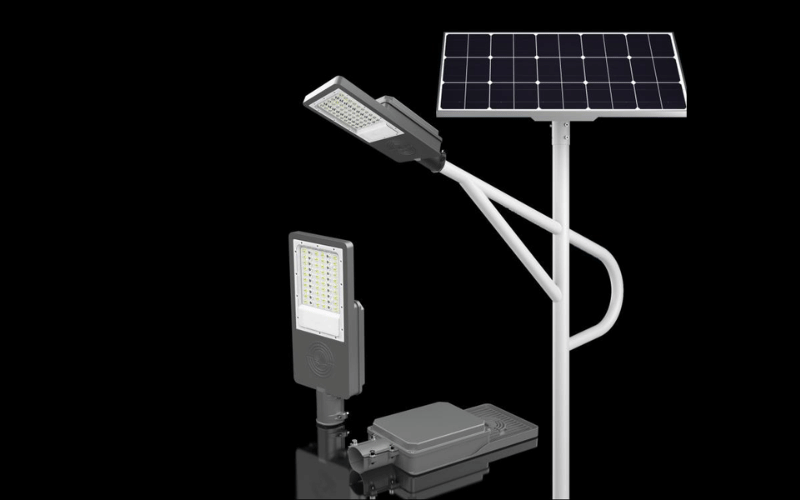
Solar street lights are becoming a popular choice for outdoor lighting. They offer a sustainable and cost-effective solution for illuminating streets, driveways, and public spaces. Unlike traditional lighting, solar-powered options reduce electricity bills and minimize environmental impact.
Choosing the right solar street light is crucial for long-term performance and savings. A well-selected product ensures consistent brightness, durability, and efficiency. Many homeowners and businesses look for lights that balance high lumens with reliable battery life.
For residential or small commercial use, solar lights with around 3,000 lumens are ideal. They provide sufficient brightness while maintaining energy efficiency. On the other hand, large-scale projects may require lights with up to 40,000 lumens for maximum illumination.
With over a decade of experience in outdoor solar lighting, I’ve guided countless customers in finding the perfect solutions. Understanding brightness, battery capacity, and durability helps make informed decisions. This guide will simplify the process, ensuring you choose the best solar street lights for your needs.
Key Benefits of Solar Street Lights
Solar street lights are more than just a lighting solution; they are a smart investment for your outdoor spaces. As someone who has spent years in the solar lighting industry, I’ve seen firsthand how these lights transform neighborhoods, businesses, and public areas. Let’s explore the key benefits that make solar street lights a standout choice.
Energy Efficiency: Save on Electricity Costs
Solar street lights harness the power of the sun to illuminate your surroundings. This means you’re not relying on grid electricity, which can significantly cut down your energy bills.
For example, a single solar street light can save hundreds of dollars annually compared to traditional lighting. Multiply that by several lights, and the savings become substantial. I’ve worked with clients who replaced dozens of conventional lights with solar ones, and they were amazed at the long-term cost reductions.
The secret lies in the efficient solar panels and LED technology. These components work together to maximize energy use while minimizing waste.
Sustainability: Reduce Environmental Impact
Every solar street light you install is a step toward a greener planet. By using renewable energy, you’re reducing your carbon footprint and contributing to a sustainable future.
I often tell my clients, “Each solar light is like planting a tree—it works quietly but makes a big difference over time.” Unlike traditional lights that rely on fossil fuels, solar lights operate cleanly and efficiently.
Additionally, many modern solar lights are made with recyclable materials, further enhancing their eco-friendly appeal.
Ease of Installation: No Wiring or Trenching Required
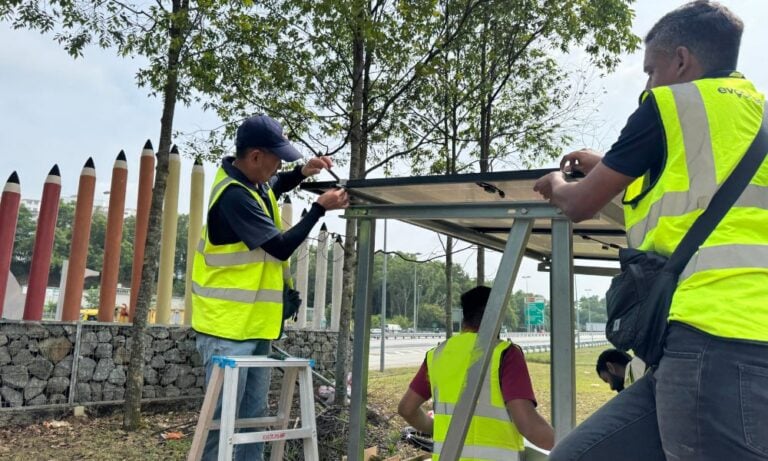
One of the most practical benefits of solar street lights is their hassle-free installation. There’s no need for complex wiring or digging trenches, which saves both time and money.
I’ve seen projects where solar lights were installed in a single day, even in remote areas. This is because they are self-contained units, integrating the solar panel, battery, and light.
For homeowners and businesses, this means less disruption and quicker results. Whether you’re lighting a driveway, a park, or a commercial lot, solar lights make the process straightforward and stress-free.
Solar street lights combine efficiency, sustainability, and simplicity in a way that few other solutions can match. As someone deeply rooted in this industry, I can confidently say they are a game-changer for outdoor lighting.
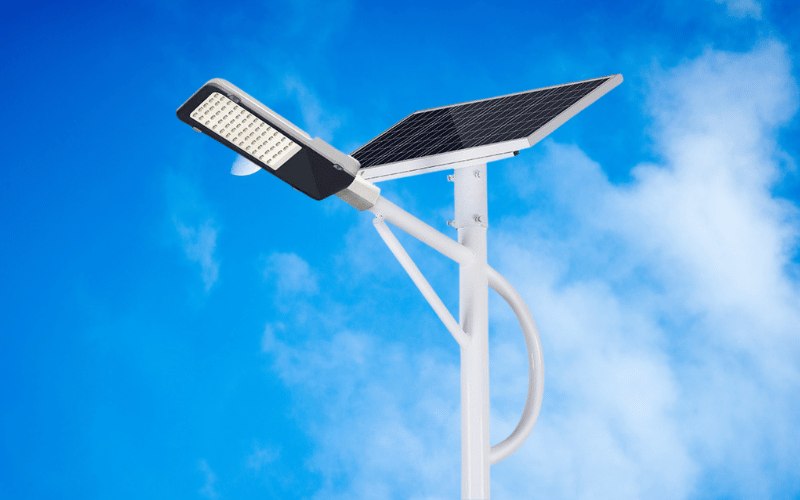
Essential Features to Look For
When choosing solar street lights, it’s essential to focus on the features that directly impact performance and longevity. Each component plays a critical role in ensuring the light meets your specific needs.
Brightness and Coverage: Matching Lumens to Pole Height and Area Size
Brightness is one of the first things to consider. It’s measured in lumens, and the proper lumen count depends on the height of the pole and the size of the area you want to illuminate.
For residential driveways or small pathways, lights with 1,000 to 3,000 lumens are usually sufficient. However, for larger spaces like parking lots or public parks, you’ll need lights with 5,000 lumens or more.
I always advise my clients to think about coverage as well. A taller pole requires a higher lumen output to ensure the light spreads evenly. For example, a 20-foot pole might need a light with at least 6,000 lumens to provide adequate brightness across a wide area.
Battery Performance: Long Runtime and Backup for Cloudy Days
The battery is the heart of any solar street light. A high-quality battery ensures the light runs throughout the night, even during cloudy weather.
Look for lights with lithium-ion or lithium iron phosphate (LiFePO4) batteries. These types are known for their long lifespan and efficient energy storage. A good solar light should provide at least 10-12 hours of runtime on a full charge.
I often remind customers to check for backup capacity. Some batteries can store extra energy to power the light for 2-3 days without sunlight. This feature is especially useful in areas with unpredictable weather.
Durability: Weather-Resistant Materials and IP Ratings
Solar street lights are exposed to the elements, so durability is non-negotiable. The materials should be weather-resistant, withstanding rain, wind, and extreme temperatures.
Pay attention to the IP (Ingress Protection) rating. An IP65 rating, for instance, ensures the light is dust-tight and protected against water jets. For harsher environments, consider lights with an IP67 rating, which offers even greater protection.
I’ve seen poorly made lights fail within months because they couldn’t handle the weather. Investing in durable materials saves you from frequent replacements and repairs.
Smart Features: Motion Sensors, Dimming, and Dusk-to-Dawn Operation
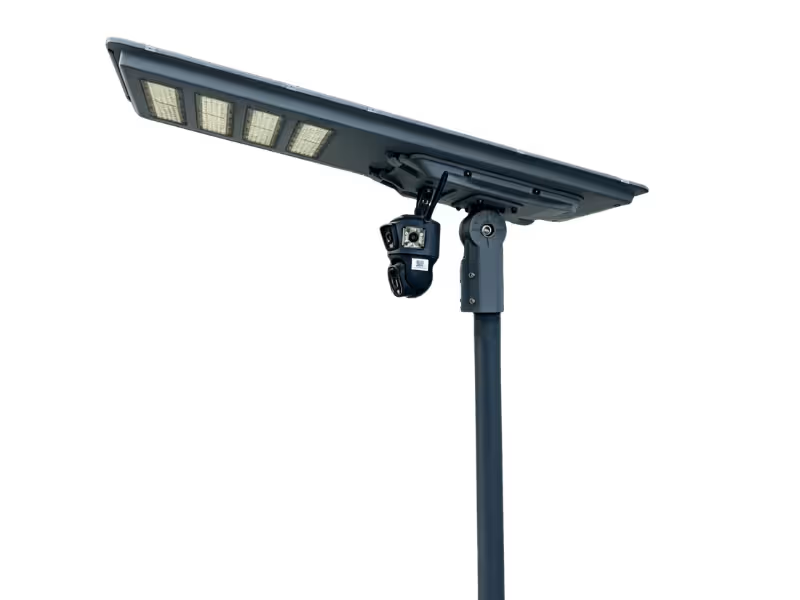
Modern solar street lights come with smart features that enhance functionality and efficiency. Motion sensors, for example, can increase brightness when movement is detected and dim the light when the area is empty.
Dimming options are also valuable for conserving battery life. Lights that automatically adjust brightness based on the time of night or activity levels are both practical and energy-efficient.
A dusk-to-dawn operation is another must-have feature. It ensures the light turns on automatically at sunset and off at sunrise, requiring no manual intervention.
I always tell my clients, “Smart features aren’t just bells and whistles—they’re tools that make your lights work smarter, not harder.”
By focusing on these essential features, you can confidently choose solar street lights that meet your needs and deliver long-term value. As someone who has spent years in this industry, I can assure you that attention to detail makes all the difference.
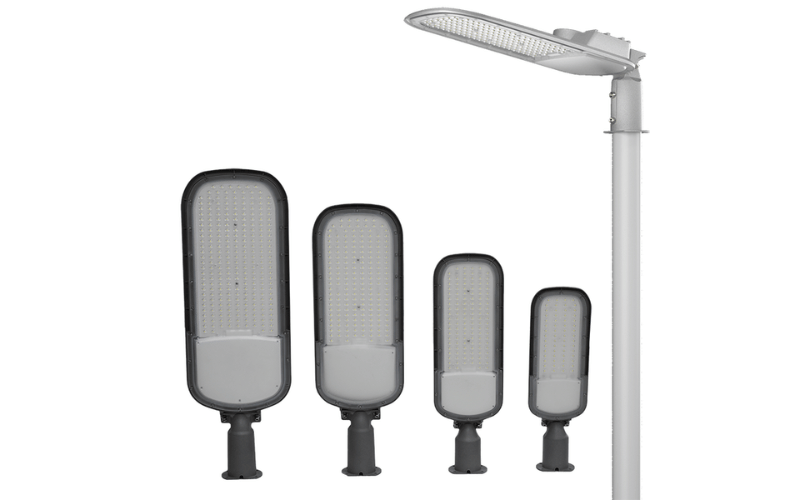
Top Recommendations by Application
Choosing the best solar street light depends heavily on its intended use. Different applications require different features, and understanding these distinctions ensures you get the most out of your investment. Let me walk you through tailored recommendations for various needs.
For Commercial Use: High-Power Lights for Parking Lots and Streets
Commercial spaces like parking lots, streets, and industrial areas demand powerful solar lights with high lumen output and robust construction.
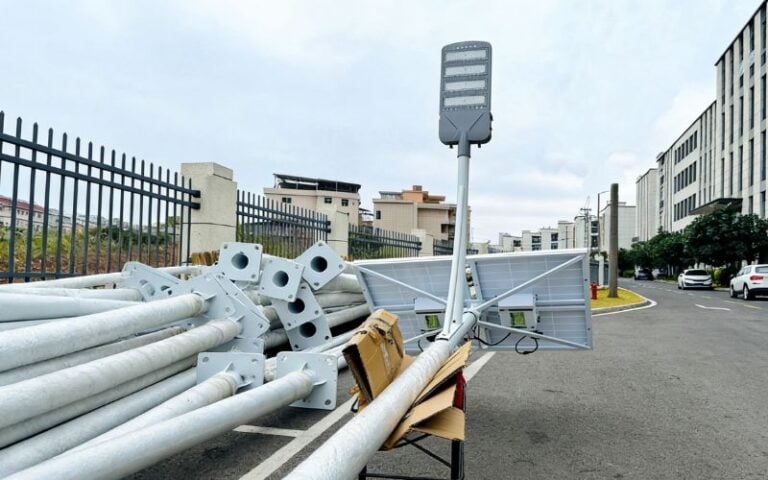
For these applications, I recommend lights with at least 8,000 lumens to ensure wide and consistent coverage. Pair this with a pole height of 20-30 feet for optimal light distribution. Look for models with separate solar panels and lights, as these allow for better positioning to maximize sunlight exposure.
Additionally, prioritize lights with advanced features like motion sensors and programmable timers. These not only enhance security but also improve energy efficiency. I’ve seen businesses save significantly on operational costs by using solar lights with smart controls.
For Residential Use: Medium-Power, All-in-One Designs for Yards and Pathways
Residential areas typically require solar lights that are easy to install, aesthetically pleasing, and moderately bright. For yards, driveways, and pathways, all-in-one solar lights are an excellent choice.
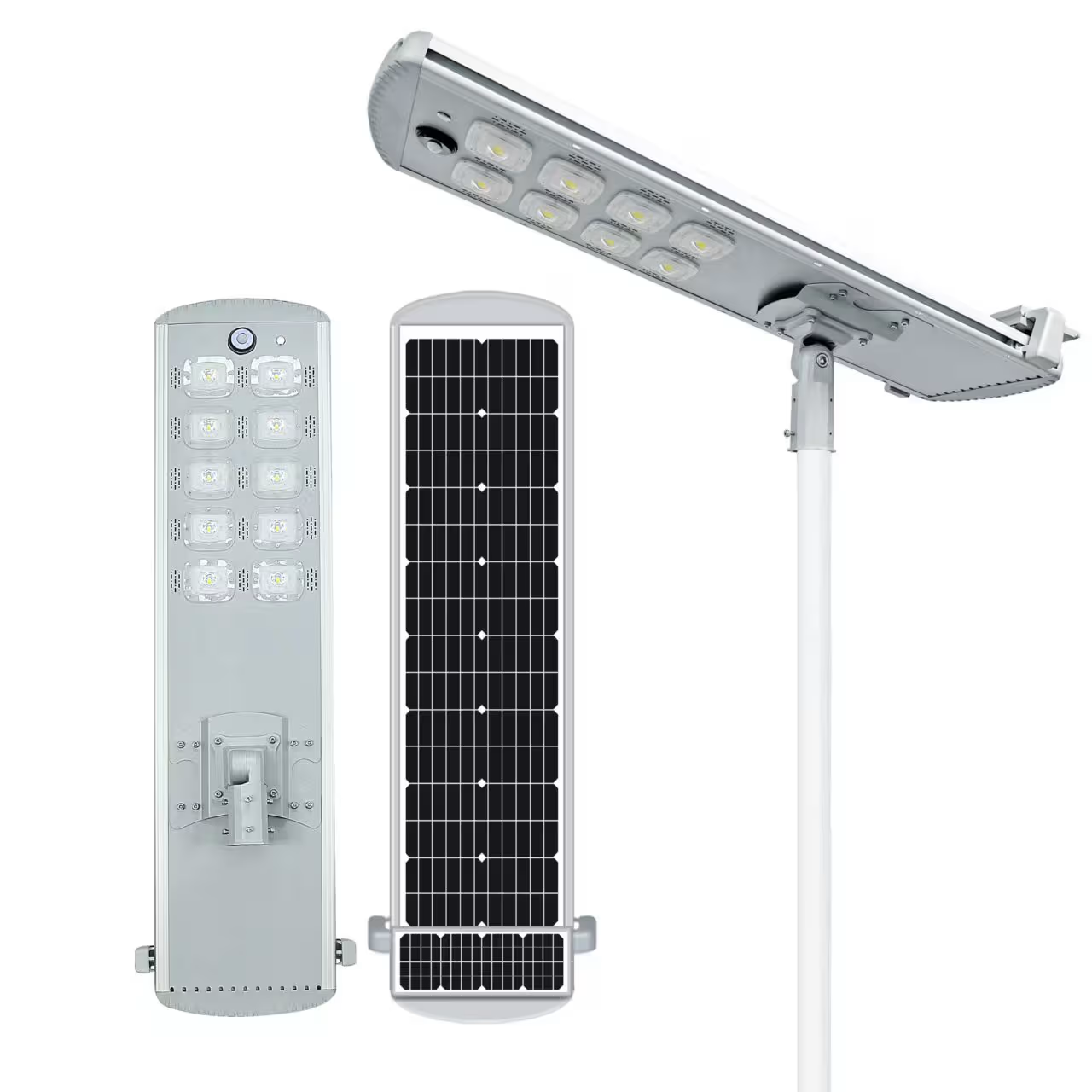
These lights combine the solar panel, battery, and LED into a single unit, making installation a breeze. A lumen range of 1,000 to 3,000 is usually sufficient for residential use, providing ample brightness without overwhelming the space.
I often recommend models with adjustable mounting brackets. This feature allows homeowners to angle the light and panel for maximum efficiency. Dusk-to-dawn functionality is another must-have, ensuring the lights operate automatically without manual intervention.
Budget-Friendly Options: Affordable Models for Basic Security and Small Spaces
If you’re working with a tight budget, there are still reliable solar street light options available. These models are perfect for small spaces like garden paths, sheds, or basic security lighting.
Focus on lights with a lumen range of 500 to 1,000. While they may not be as powerful as commercial or residential models, they still provide adequate illumination for smaller areas.
I advise looking for lights with polycrystalline solar panels and NiMH batteries. These materials are cost-effective yet durable enough for basic use. Many budget-friendly models also come with motion sensors, which help conserve energy by activating the light only when needed.
By aligning your choice with the specific application, you can ensure your solar street lights deliver the performance and value you need. Each recommendation here is based on practical experience and real-world results, tailored to meet diverse requirements.
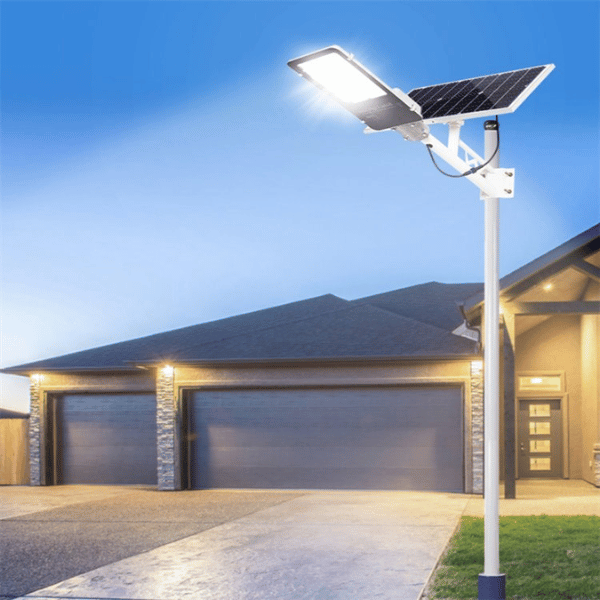
Installation and Maintenance Tips
A well-installed and well-maintained solar street light can provide years of reliable service. Here’s how to get it right from the start and keep it running smoothly.
Placement: Optimal Pole Height, Spacing, and Solar Panel Orientation
The placement of your solar street lights directly impacts their performance. Start by determining the right pole height and spacing based on the area you want to illuminate.
For residential pathways, poles around 10-15 feet tall with 20-30 feet spacing work well. For larger commercial spaces, opt for poles 20-30 feet tall with 40-50 feet spacing to ensure even light distribution.
Solar panel orientation is another critical factor. Panels should face true south (in the northern hemisphere) or true north (in the southern hemisphere) to capture maximum sunlight. Adjust the tilt angle based on your location’s latitude for optimal energy absorption.
Routine Maintenance: Cleaning Panels, Checking Batteries, and Securing Fixtures
Routine maintenance keeps your solar street lights operating efficiently. Start with the solar panels. Dust, dirt, and bird droppings can block sunlight and reduce energy generation. Clean the panels every 2-3 months using a soft cloth and mild soapy water.
Next, check the batteries. Over time, batteries can lose their capacity, especially in extreme temperatures. Inspect them annually and replace them every 3-5 years, depending on the type and usage.
Don’t forget to secure the fixtures. Strong winds or tampering can loosen bolts and brackets. Inspect the mounting hardware periodically to ensure everything is tight and stable.
Troubleshooting: Common Issues Like Dim Lighting or Short Runtime
Even the best solar street lights can encounter issues. Dim lighting or short runtime is often caused by insufficient sunlight or a failing battery.
If the light isn’t bright enough, check the solar panel for obstructions like dirt or shadows. Ensure the panel is positioned correctly to receive full sunlight. If the runtime is short, test the battery. A multimeter can help you measure its voltage and capacity.
Another common issue is flickering or inconsistent lighting. This is usually due to loose wiring or a faulty LED. Inspect the connections and replace any damaged components as needed.
By following these installation and maintenance tips, you can ensure your solar street lights perform reliably and efficiently. Each step is designed to address real-world challenges, helping you get the most out of your investment.
Frequently Asked Questions (FAQs)
When it comes to choosing solar street lights, many questions arise. Here are clear and concise answers to some of the most common queries to help you make informed decisions.
Q: How many lumens do I need for my area?
A: The number of lumens you need depends on the size of the area and the height of the pole.
- For small residential areas like pathways or driveways, 1,000 to 3,000 lumens is sufficient.
- For larger spaces like parking lots or public parks, aim for 5,000 to 8,000 lumens.
- For tall poles (20-30 feet), choose lights with at least 6,000 lumens to ensure even coverage.
Always match the lumen output to the specific application for optimal brightness and efficiency.
Q: What’s the difference between integrated and split designs?
A: Integrated and split solar street lights differ in design and functionality.
- Integrated designs combine the solar panel, battery, and LED light into a single unit. They are compact, easy to install, and ideal for residential or small-scale use.
- Split designs have separate components, allowing for better positioning of the solar panel. These are more suitable for large-scale or commercial applications where maximum sunlight exposure is critical.
Choose the design based on your installation needs and the area’s requirements.
Q: Do solar street lights work in cloudy or cold climates?
A: Yes, solar street lights can work in cloudy or cold climates, but their performance may vary.
- On cloudy days, high-quality solar panels can still generate energy, though at a reduced rate. Look for lights with efficient panels and large-capacity batteries to store extra energy.
- In cold climates, lithium-ion or LiFePO4 batteries perform better than older battery types. They are more resistant to temperature fluctuations and maintain their capacity longer.
Proper placement and regular maintenance can further enhance performance in challenging weather conditions.
Conclusion
Choosing the best solar street lights requires careful consideration of key factors like brightness, battery performance, durability, and smart features. Each element plays a vital role in ensuring the lights meet your specific needs and deliver reliable performance.
Focus on balancing quality, performance, and cost. High-quality lights may require a higher upfront investment, but they save money in the long run through energy efficiency and reduced maintenance. Prioritize products that offer the best value rather than simply opting for the cheapest option.
By making informed decisions, you can enjoy the benefits of solar street lights while ensuring they provide lasting value for your outdoor lighting needs.