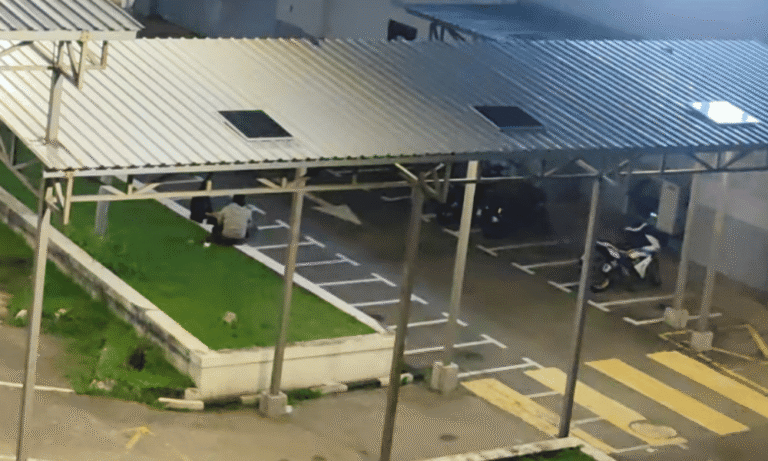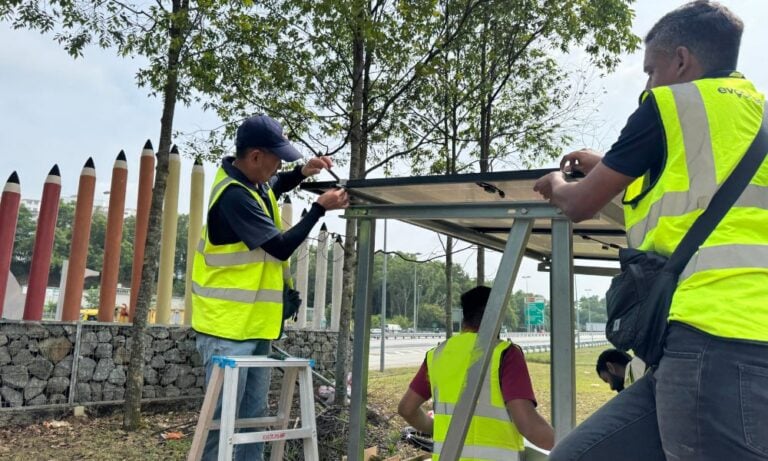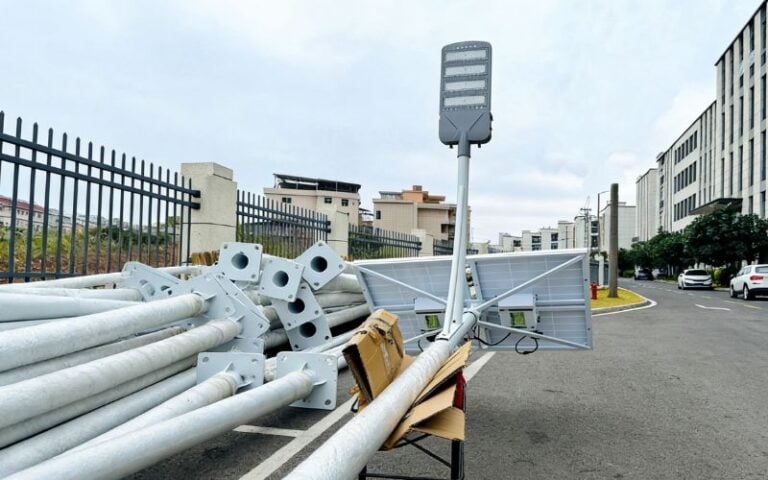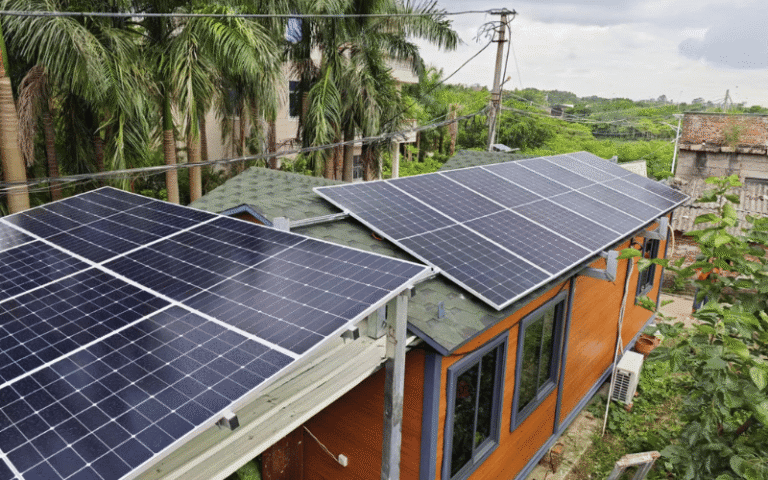

Quick answer: The best solar street light manufacturers in 2026 combine matched battery-to-panel sizing, verified LED and optics data, and clear after-sales warranty terms. Based on 10+ years sourcing and manufacturing outdoor solar lighting, my shortlist includes Sunna Design, Sigostreetlight, Fonroche Lighting, Novea Energies, VNS Bulgaria, Greenshine New Energy, Sunlite Group, First Light Technologies, Solar Street Lights USA, and SolarPath Sun Solutions.
I’ve spent over a decade sourcing components, running factory audits, and fixing field failures on solar street light projects across four continents. In that time, I’ve seen more projects fail from poor manufacturer selection than from bad site conditions. A pole can survive a typhoon. A battery sized by guesswork cannot survive three cloudy winters in a row.
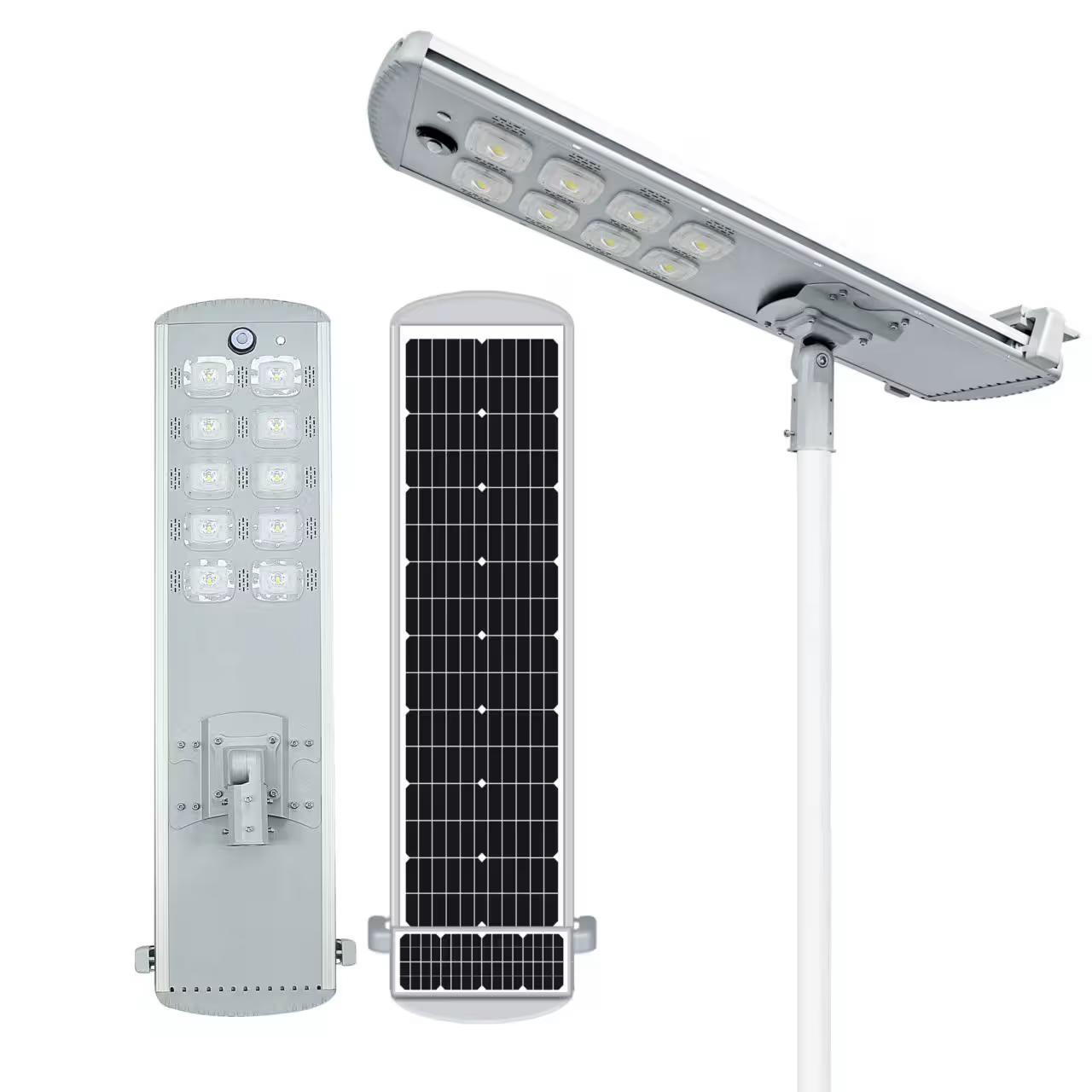
Most buyers evaluate solar street lights the way they’d evaluate any outdoor fixture: check the wattage, compare the price, place the order. That approach works fine for a wall-mounted floodlight plugged into grid power. It falls apart for solar, because a solar street light isn’t one product. It’s a system of five components — solar panel, battery, LED module, optics, and controller — that all have to be sized correctly relative to each other and to the site’s actual sun hours. Get one piece wrong, and the light that looked perfect on a spec sheet goes dark by month eight.
This guide is built from that experience. I’m Nicole Sun, co-founder and Sales Director at sigostreetlight, and I’ve written this the way I’d brief a procurement manager before they issue their first RFQ. It covers how to judge a manufacturer before you request a quote, which ten manufacturers I’d put on a global shortlist, and how to buy from any of them without getting burned on specs, lead time, or warranty.
How Do I Judge a Solar Street Light Manufacturer Before I Ask for a Quote?
Treat manufacturer quality as a system, not a spec sheet
The biggest mistake I see buyers make is judging a manufacturer on a single number — usually lumens or wattage. A solar street light is only as reliable as its weakest matched component. A 60W LED module paired with an undersized battery will dim itself into uselessness within a year, regardless of how impressive the LED’s initial output looks.
Before you even open an RFQ, you should be able to answer these questions about a manufacturer’s product line:
|
Category |
Question to Ask |
Why It Matters |
|---|---|---|
|
Site data |
Do they ask for your location’s sun-hour data before quoting? |
A manufacturer that quotes without site data is guessing at battery and panel sizing |
|
Battery |
What chemistry, capacity, and cycle life do they use? |
LiFePO4 batteries typically hold up better in high-heat climates than standard lithium-ion |
|
Solar panel match |
Is the panel wattage matched to the battery capacity and local sun hours? |
Mismatched panels either overcharge or undercharge the battery over time |
|
LED + optics |
Do they provide IES files or third-party photometric reports? |
Optics determine how evenly light spreads on the ground, not just how bright the fixture looks |
|
Controller logic |
Does the controller support dimming schedules and low-voltage cutoff? |
Prevents deep battery discharge, which shortens battery life significantly |
|
QC + traceability |
Can they show batch testing records or third-party inspection reports? |
Traceability is what lets you diagnose failures instead of guessing |
|
Warranty terms |
What’s covered, for how long, and who pays shipping on claims? |
Many warranties cover the LED but exclude the battery, which is the component most likely to fail first |
Three hidden risks that don’t show up on a spec sheet
Battery sizing. This is the single most common point of failure I’ve diagnosed on field visits. A manufacturer can hit every performance number in ideal lab conditions and still ship a light that fails in real-world cloudy stretches, because the battery wasn’t sized with a buffer for autonomy days (the number of consecutive low-sun days the light needs to run on stored charge alone).
Optical design. Two lights can carry identical lumen ratings and produce completely different results on the ground. One evenly lights a 12-meter stretch of road; the other creates a bright hotspot directly under the pole and leaves the gaps between poles dark. Ask for an IES file and run it through a free photometric tool before you commit to volume.
After-sales support. Solar street lights get installed in places that are hard to revisit — rural roads, coastal paths, remote campuses. If a battery fails in year two, you need a manufacturer that can ship a replacement fast and tell you exactly which serial numbers are affected. Ask about this before you order, not after something breaks.
Which 10 Manufacturers Should I Shortlist First When I Need Global-Grade Supply?
Here’s my working shortlist, built from direct experience, industry reputation, and project outcomes I’ve either witnessed or worked on directly.
|
Manufacturer |
Headquarters |
Known Strength |
Best Fit For |
|---|---|---|---|
|
Sunna Design |
France |
Rugged design for extreme climates, strong Africa/Middle East track record |
Off-grid rural electrification projects |
|
Sigostreetlight |
China |
Custom BOM engineering, competitive pricing at scale, direct factory support |
Mid-to-large municipal and commercial projects needing customization |
|
Fonroche Lighting |
France |
Vertically integrated manufacturing, strong European compliance |
European public infrastructure projects |
|
Novea Energies |
France |
All-in-one integrated designs, clean aesthetics |
Urban and residential streetscapes |
|
VNS Bulgaria |
Bulgaria |
EU-based production, strong for European logistics |
Projects needing shorter EU shipping lead times |
|
Greenshine New Energy |
USA |
Strong US-based technical support and customization |
North American commercial and DOT projects |
|
Sunlite Group |
China |
High-volume manufacturing capacity |
Large-scale municipal rollouts on tight budgets |
|
First Light Technologies |
India |
Strong presence in South Asian markets |
Regional projects across India and neighboring markets |
|
Solar Street Lights USA |
USA |
US-based assembly and support |
Buyers prioritizing domestic sourcing and support |
|
SolarPath Sun Solutions |
USA |
Focus on smart controls and remote monitoring |
Projects needing IoT-based monitoring integration |
I’ve included Sigostreetlight on this list because it’s the company I co-founded and the one I know best from the inside. I’d rather be transparent about that than pretend otherwise. I’m including it because our approach to BOM transparency and custom engineering is genuinely how we differentiate, not because it’s my company. Judge it — and every name on this list — against the checklist above, not against my description of it.
How to quickly match a brand to a project type
If you’re short on time, here’s the fastest way to narrow the list:
- Choose Sunna Design or First Light Technologies if your project is off-grid rural electrification in a region with limited grid infrastructure.
- Choose Fonroche Lighting, Novea Energies, or VNS Bulgaria if your project needs to meet European compliance standards and you want shorter shipping times within the EU.
- Choose Greenshine New Energy, Solar Street Lights USA, or SolarPath Sun Solutions if you need domestic US support, faster warranty response, or smart monitoring integration.
- Choose Sigostreetlight or Sunlite Group if you’re sourcing at scale from China and need either heavy customization (Sigostreetlight) or high-volume manufacturing capacity at competitive pricing (Sunlite Group).
How Do I Buy From These Manufacturers Without Getting Burned on Specs, Lead Time, and Warranty?
Shortlisting the right manufacturer solves half the problem. The other half is how you run the buying process itself. I’ve seen good manufacturers deliver bad outcomes simply because the buyer’s RFQ didn’t ask the right questions.
Standardize your RFQ inputs
Every RFQ you send should include the same core data set, regardless of which manufacturer you’re quoting:
|
RFQ Input |
Why You Need to Provide It |
|---|---|
|
Site location + GPS coordinates |
Lets the manufacturer calculate accurate sun-hour data |
|
Required autonomy days |
Determines battery sizing for cloudy-day performance |
|
Pole height and spacing |
Affects optics and lumen requirements |
|
Road or area classification |
Determines the lighting standard you need to meet |
|
Grid backup availability |
Determines whether you need a pure off-grid design or hybrid |
|
Local climate extremes |
Affects battery chemistry choice and enclosure rating |
Sending the same inputs to every manufacturer you’re quoting means you’re comparing apples to apples. Without this step, you’re comparing five different guesses.
Push suppliers to show BOM logic
Ask every shortlisted manufacturer to walk you through why they chose a specific panel wattage, battery capacity, and LED wattage for your site data. A manufacturer confident in their engineering will explain this without hesitation. A manufacturer that can’t explain it is probably reusing a generic configuration regardless of your actual sun-hour data.
Build a risk-control plan before mass production
|
Stage |
Risk-Control Action |
|---|---|
|
Pre-production |
Approve a golden sample and confirm it matches spec sheet exactly |
|
First article inspection |
Test the first unit off the production line before mass production starts |
|
During production |
Request batch photos or a live video walkthrough at key production milestones |
|
Pre-shipment |
Commission a third-party inspection (or your own team) before goods leave the factory |
|
Post-delivery |
Randomly test a sample of units on arrival before full deployment |
Skipping the first article inspection is the most common shortcut I see buyers take under deadline pressure, and it’s the one most likely to turn a small spec deviation into a container full of unusable units.
Account for shipping and customs early
Solar street lights are bulky, and batteries are classified as hazardous goods for shipping purposes under most international freight regulations. Confirm your manufacturer has experience shipping lithium batteries internationally and can provide the correct UN38.3 documentation. Projects have been delayed for weeks at customs simply because a battery shipment lacked the right paperwork.
My personal rule for “too good to be true” offers
If a quote comes in significantly below every other manufacturer on your shortlist for what appears to be the same specification, I don’t assume I found a bargain. I assume something in the BOM has been substituted — usually the battery capacity, the LED binning quality, or the wall thickness of the pole. I ask for the full BOM breakdown before I go any further. In ten years of doing this, the price that seemed too good has never once turned out to be a genuine deal.
Choosing a Solar Street Light Manufacturer Comes Down to Discipline, Not Luck
The manufacturers on this list all have the technical capability to deliver a reliable solar street light. What separates a successful project from a failed one is whether the buyer treats the purchase as a system-level engineering decision instead of a spec-sheet comparison. Standardize your RFQ inputs, insist on BOM transparency, and build inspection checkpoints into your production timeline. Do that consistently, and you’ll get a light that performs on year five the same way it did on day one.
If you’re preparing an RFQ for an upcoming project, start with the checklist in this guide, send identical site data to every manufacturer on your shortlist, and don’t sign off on mass production without a first article inspection.
Frequently Asked Questions
What is the average lifespan of a solar street light?
A well-specified solar street light typically lasts 8 to 10 years for the pole and fixture, though the battery usually needs replacement every 3 to 5 years depending on chemistry and climate.
How much does a solar street light cost in 2026?
Pricing varies widely based on wattage, battery chemistry, and pole height, typically ranging from a few hundred to over a thousand US dollars per unit for commercial-grade fixtures. Get a site-specific quote rather than relying on general price ranges, since battery and panel sizing significantly affect final cost.
Is it better to buy from a manufacturer in my own region, or source internationally from Asia?
Choose a regional manufacturer if fast warranty response and shorter shipping times matter more than unit cost. Choose an international manufacturer, such as one based in China, if you’re sourcing at scale and want more flexibility on customization and pricing.
What’s the biggest risk when importing solar street lights internationally?
Battery shipping documentation and customs delays are the most common issues. Confirm your manufacturer can provide correct UN38.3 documentation before you finalize an order.
Can I get a custom solar street light design, or am I limited to standard catalog models?
Most established manufacturers, including Sigostreetlight, offer custom BOM configurations for projects with specific site requirements or branding needs. Ask directly during the RFQ stage, since not every manufacturer offers this at every order volume.