

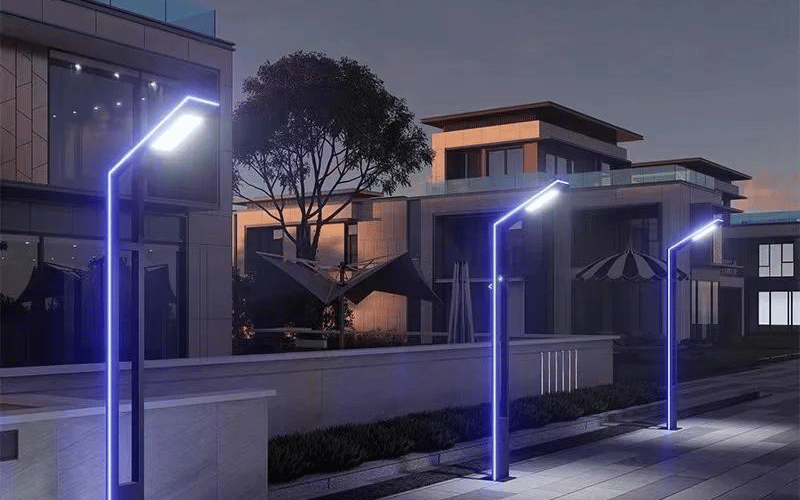
Solar yard lights have become a favorite choice for homeowners looking to enhance their outdoor spaces. These lights use sunlight to power themselves, offering a simple and sustainable way to brighten yards, gardens, and pathways. Their growing popularity stems from their practicality and eco-friendly design.
One of the biggest advantages of solar yard lights is their eco-friendliness. They rely on renewable energy, reducing your carbon footprint while cutting down on electricity bills. Many homeowners also appreciate their ease of installation. With no wiring required, you can place them anywhere with access to sunlight.
This guide will walk you through everything you need to know about solar yard lights. We’ll explore their key features, highlight their benefits, and share tips to help you choose the right ones for your needs. Whether you’re lighting up a cozy garden or a sprawling yard, this guide will help you make an informed decision.
Below are the questions most buyers tend to focus on. I hope this proves helpful to you.
Performance and Brightness
When it comes to solar yard lights, brightness and performance are two of the most important factors to consider. Let’s dive into how bright these lights can get and whether they can keep your yard illuminated all night long.
How Bright Are Solar Yard Lights, and How Many Lumens Do I Need for My Yard?
The brightness of solar yard lights is measured in lumens, and the right lumen level depends on the purpose of the light and the area you want to illuminate.
- Pathways and Walkways: For guiding light along paths, 100-200 lumens per light is sufficient. This provides a soft glow that enhances safety without being overpowering.
- Gardens and Decorative Features: To highlight plants, statues, or water features, aim for 200-300 lumens. This level of brightness adds depth and character to your yard.
- Spotlights and Security: For focused lighting or security purposes, choose lights with 500 lumens or more. These provide intense illumination for larger areas or dark corners.
If you’re unsure, look for lights with adjustable brightness settings. This feature allows you to customize the light output based on your needs and preferences.
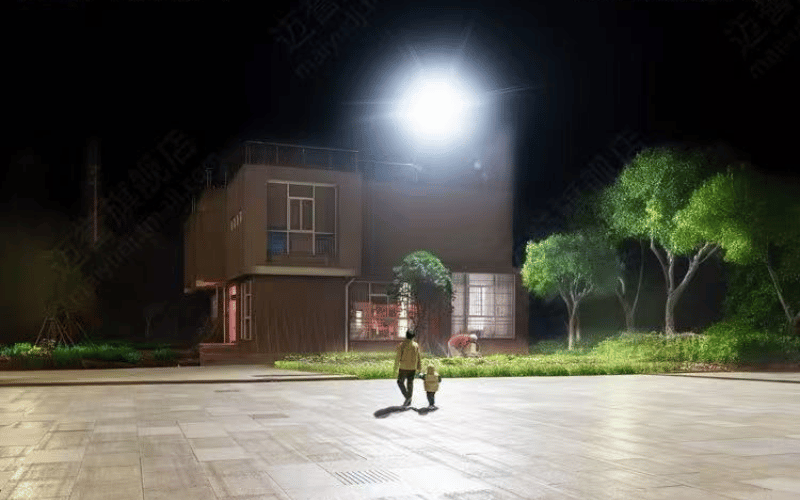
Do Solar Yard Lights Provide Consistent Illumination Throughout the Night?
Yes, high-quality solar yard lights are designed to provide consistent illumination from dusk to dawn. However, their performance depends on a few key factors:
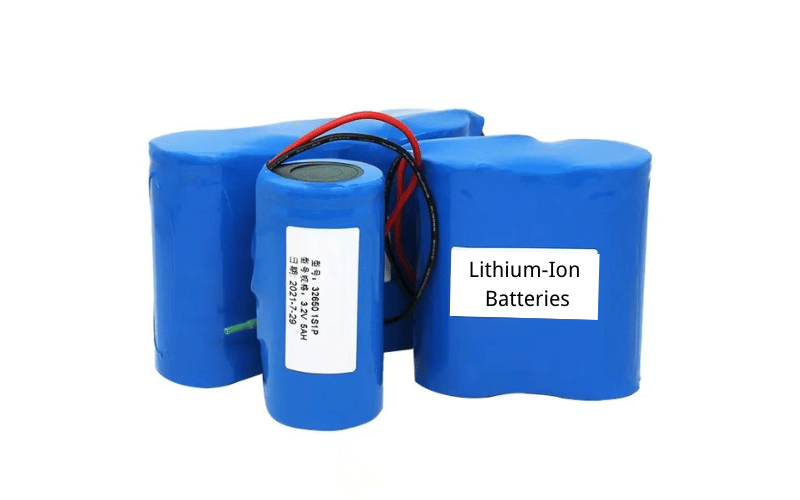
- Battery Capacity: A fully charged battery should power the light for 8-12 hours. Lithium-ion batteries are particularly effective for maintaining consistent brightness throughout the night.
- Sunlight Exposure: The amount of sunlight the solar panel receives during the day directly impacts how long the light will last at night. Ensure the panel is placed in a location with maximum sun exposure.
- Energy Efficiency: LED technology ensures that solar yard lights use minimal energy while delivering bright, reliable illumination.
If you notice your lights dimming or shutting off early, it could be due to insufficient charging or an aging battery. Regular maintenance, such as cleaning the solar panel and replacing the battery when needed, will help maintain consistent performance.
By understanding the brightness levels and ensuring proper setup, you can enjoy a well-lit yard that meets both functional and aesthetic needs.
Battery and Runtime
The battery is the heart of any solar yard light, determining how long and how well it performs. Let’s explore how long batteries last, which type is better, and whether these lights can handle less-than-sunny weather.
How Long Do the Batteries Last After a Full Charge?
On a full charge, most solar yard lights can run for 8-12 hours, depending on the battery capacity and the efficiency of the light.
- Pathway and Decorative Lights: These typically require less power and can easily last through the night.
- Spotlights and Security Lights: These consume more energy, especially if they have motion sensors or higher brightness levels, but a good battery should still provide consistent performance.
Keep in mind that runtime can vary based on the amount of sunlight the solar panel receives during the day. For optimal performance, ensure the panel gets at least 6-8 hours of direct sunlight daily.
What Type of Battery Is Better: Lithium-Ion or NiMH?
When it comes to solar yard lights, the type of battery you choose can make a big difference in performance and longevity.
-
Lithium-Ion Batteries:
- Advantages: Higher energy density, longer lifespan, and faster charging. They are ideal for high-performance lights like spotlights or security lights.
- Lifespan: Typically lasts 2-5 years with proper care.
- Best For: Areas with variable sunlight or lights that require consistent, high output.
-
NiMH (Nickel-Metal Hydride) Batteries:
- Advantages: More affordable and environmentally friendly compared to older NiCd batteries.
- Lifespan: Generally lasts 1-3 years, depending on usage.
- Best For: Decorative or low-power lights where cost is a priority.
If you’re looking for durability and performance, lithium-ion batteries are the better choice. However, NiMH batteries are a good budget-friendly option for less demanding applications.
Can the Lights Still Work During Cloudy or Rainy Days?
Yes, solar yard lights can still function in cloudy or rainy weather, but their performance may be affected.
- Cloudy Days: High-efficiency solar panels, especially monocrystalline ones, can still capture energy in low-light conditions. However, the charging rate will be slower, which might reduce runtime.
- Rainy Weather: Most solar yard lights are designed to be weather-resistant. Look for an IP65 rating or higher to ensure they can withstand rain and moisture.
For areas with frequent overcast or rainy conditions, choose lights with larger battery capacities and efficient solar panels to ensure reliable performance.
By understanding battery types, runtime, and weather adaptability, you can select solar yard lights that deliver consistent and dependable illumination, no matter the conditions.
Durability and Weather Resistance
Solar yard lights are built to withstand outdoor conditions, but not all are created equal. Understanding their durability and weather resistance is crucial, especially if you live in an area with extreme climates. Let’s break it down.
Are Solar Yard Lights Weatherproof and Suitable for Extreme Climates?
Yes, most solar yard lights are designed to handle various weather conditions, but their durability depends on the materials and construction.
- Rain and Moisture: High-quality solar lights are water-resistant, ensuring they function even during heavy rain. Look for models with sealed battery compartments and corrosion-resistant materials like stainless steel or aluminum.
- Snow and Freezing Temperatures: In colder climates, choose lights with durable casings and batteries rated for low temperatures. Lithium-ion batteries perform better in freezing conditions compared to NiMH.
- Heat and UV Exposure: For hot climates, opt for lights with UV-resistant coatings to prevent fading or cracking. Heat-resistant materials like tempered glass and powder-coated metals ensure longevity.
If you live in an area with extreme weather, prioritize lights with robust construction and high weather resistance ratings.
What Does the IP Rating Mean, and What Rating Should I Look For?
The IP (Ingress Protection) rating indicates how well a solar yard light is protected against dust and water. It’s a two-digit code where:
- The first digit represents protection against solid particles (like dust).
- The second digit represents protection against liquids (like water).
Here’s what to look for:
- IP44: Basic protection against splashing water and small debris. Suitable for mild climates with occasional rain.
- IP65: Excellent protection against dust and water jets. Ideal for areas with heavy rain or dusty conditions.
- IP67: Fully dustproof and can withstand temporary immersion in water. Perfect for extreme climates or areas prone to flooding.
For most outdoor applications, an IP65 rating or higher is recommended. This ensures your lights can handle rain, snow, and other challenging conditions without compromising performance.
By choosing solar yard lights with the right materials and IP ratings, you can ensure they remain reliable and durable, no matter what Mother Nature throws their way.
Installation and Placement
Installing solar yard lights is a straightforward process, but proper placement is key to maximizing their performance. Let’s explore how to set them up, where to position them, and whether they can be relocated easily.
How Easy Is It to Install Solar Yard Lights?
Solar yard lights are designed for simplicity, making installation a breeze.
- Stake Lights: These are the easiest to install. Simply push the stake into the ground. If the soil is hard, loosen it with a garden tool first. Ensure the light is upright and stable.
- Mounted Lights: For spotlights or security lights, use the included screws or brackets to attach them to walls, fences, or poles. Adjust the angle of the light and solar panel for optimal coverage.
- Decorative Lights: String lights or lanterns can be hung on trees, pergolas, or hooks. Secure them tightly to prevent movement in windy conditions.
No wiring or professional tools are required, making solar yard lights a DIY-friendly option for any homeowner.
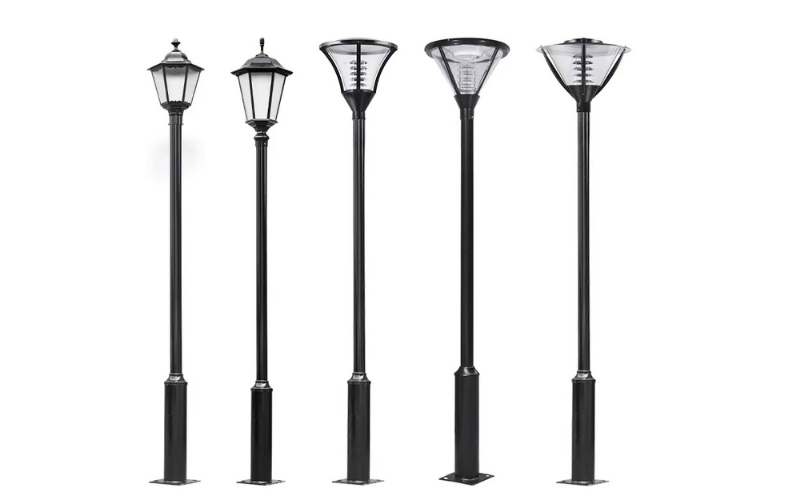
Where Should I Place the Lights for Maximum Sunlight Exposure?
Placement is critical to ensure the solar panels receive enough sunlight to charge the batteries fully.
- Direct Sunlight: Position the solar panel in an area that gets at least 6-8 hours of direct sunlight daily. Avoid shaded spots caused by trees, buildings, or other obstructions.
- South-Facing Locations: In the northern hemisphere, place the panels facing south for maximum sun exposure. Adjust the angle of the panel if it’s adjustable to capture the most sunlight.
- Open Spaces: For pathway or garden lights, ensure tall plants or decorations do not block them.
Take a walk around your yard during different times of the day to identify the sunniest spots before finalizing the placement.
Can I Move the Lights Easily If Needed?
Yes, one of the most significant advantages of solar yard lights is their portability.
- Stake Lights: These can be easily removed and repositioned. Just pull them out of the ground and place them in a new location.
- Mounted Lights: While slightly more permanent, mounted lights can still be relocated by unscrewing and reinstalling them in a different spot.
- Decorative Lights: String lights and lanterns are highly flexible and can be moved to suit seasonal changes or special events.
This flexibility allows you to experiment with different layouts or adjust the placement as your landscaping evolves.
By focusing on easy installation, strategic placement, and portability, you can ensure your solar yard lights deliver optimal performance and adapt to your changing needs.
Maintenance and Longevity
Proper maintenance is essential to keep your solar yard lights shining brightly and performing efficiently. Let’s discuss how to care for them, their expected lifespan, and what to do if components need replacing.
How Often Do I Need to Clean the Solar Panels?
Solar panels need regular cleaning to maintain their efficiency. Dust, dirt, and debris can block sunlight and reduce charging capacity.
- Frequency: Clean the panels every 2-3 months, or more often if you live in a dusty or pollen-heavy area.
- How to Clean: Use a soft cloth or sponge with water and mild soap. Avoid abrasive materials that could scratch the panel.
- After Rain: Check for water spots or mud splashes and clean them off to prevent buildup.
A clean solar panel ensures your lights receive maximum sunlight and perform at their best.
How Long Do Solar Yard Lights Typically Last Before Needing Replacement?
The lifespan of solar yard lights depends on their components:
- LED Bulbs: High-quality LEDs can last up to 50,000 hours, which translates to about 10-12 years of use.
- Batteries: Rechargeable batteries, such as lithium-ion or NiMH, typically last 2-5 years. Their lifespan depends on usage, charging cycles, and maintenance.
- Solar Panels: Most panels are designed to last 20-25 years, with minimal degradation over time.
With proper care, your solar yard lights can provide reliable illumination for many years.
Can I Replace the Batteries or Other Components If They Fail?
Yes, most solar yard lights are designed with replaceable components, making them a sustainable and cost-effective choice.
- Batteries: Locate the battery compartment (usually under the solar panel or light housing) and replace the old batteries with compatible rechargeable ones. Ensure the new batteries match the voltage and capacity of the originals.
- LED Bulbs: While rare, some models allow you to replace the LED bulb if it fails. Check the manufacturer’s instructions for compatibility.
- Solar Panels: If the panel gets damaged, some high-end models offer replacement panels. However, in most cases, replacing the entire light may be more practical.
By maintaining your solar yard lights and replacing components as needed, you can extend their lifespan and ensure they continue to enhance your outdoor space.
Cost and Value
When considering solar yard lights, it’s natural to weigh their cost against their benefits. Let’s explore whether they’re worth the investment, what you can expect to pay, and if higher-priced options deliver better results.
Are Solar Yard Lights Worth the Investment Compared to Wired Lights?
Yes, solar yard lights are a smart investment for several reasons:
- No Electricity Costs: Solar lights run entirely on sunlight, eliminating the need for electricity and reducing your energy bills.
- Easy Installation: Unlike wired lights, solar lights don’t require trenching, wiring, or professional installation. This saves both time and money.
- Low Maintenance: With no wiring to worry about and minimal upkeep, solar lights are a hassle-free option.
- Eco-Friendly: Solar lights reduce your carbon footprint by using renewable energy.
While wired lights may offer consistent brightness in all conditions, the long-term savings and convenience of solar yard lights make them a worthwhile choice for most homeowners.
What’s the Price Range for High-Quality Solar Yard Lights?
The cost of solar yard lights varies based on their features, materials, and performance. Here’s a general breakdown:
- Basic Models: $20-$50 for a set of 4-6 lights. These are ideal for pathways or decorative purposes but may have limited brightness and battery life.
- Mid-Range Options: $50-$150 for a set of 4-6 lights. These typically offer better materials, higher brightness (200-300 lumens), and longer runtimes.
- Premium Lights: $150 and above per set or individual high-performance lights. These come with advanced features like motion sensors, adjustable brightness, and durable construction for extreme weather.
Investing in mid-range or premium lights ensures better performance and longevity, especially for larger or more demanding outdoor spaces.
Do More Expensive Lights Offer Better Performance and Durability?
In most cases, yes. Higher-priced solar yard lights often come with:
- Superior Materials: Premium models use weather-resistant materials like stainless steel, tempered glass, and UV-resistant coatings, ensuring they last longer.
- Advanced Features: Motion sensors, adjustable brightness, and intelligent controls are standard in higher-end lights, offering greater functionality.
- Better Batteries and Panels: High-quality lithium-ion batteries and monocrystalline solar panels provide longer runtimes and faster charging.
While budget-friendly options work well for basic needs, investing in more expensive lights pays off in terms of durability, performance, and overall value.
By understanding the cost and value of solar yard lights, you can make an informed decision that balances your budget with your outdoor lighting needs.
Smart Features and Technology
Modern solar yard lights are more than just simple illumination tools. With advancements in technology, they now offer innovative features that enhance convenience and functionality. Let’s explore motion sensors, timers, and remote control options.
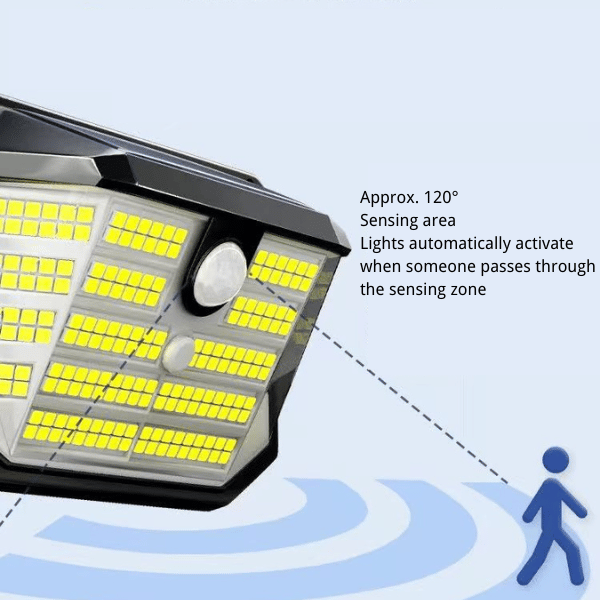
Do Solar Yard Lights Have Motion Sensors or Timers?
Yes, many solar yard lights come equipped with motion sensors and timers to improve efficiency and usability.
-
Motion Sensors:
- These lights activate when they detect movement, providing bright illumination only when needed.
- Ideal for security purposes or areas like driveways and entryways.
- Look for models with adjustable sensitivity and detection ranges (typically 10-30 feet).
-
Timers:
- Timers allow you to set specific hours for the lights to turn on and off.
- Useful for conserving battery life in areas where constant illumination isn’t necessary.
- Some lights combine timers with dusk-to-dawn sensors for automatic operation.
These features not only save energy but also add a layer of customization to your outdoor lighting setup.
Can I Control the Lights Remotely or Adjust Brightness Levels?
Yes, high-end solar yard lights often include remote control capabilities and adjustable brightness settings.
-
Remote Control:
- Some models come with handheld remotes or smartphone apps, allowing you to turn the lights on/off, adjust brightness, or change modes from a distance.
- This is especially convenient for hard-to-reach lights or when you want to make quick adjustments without stepping outside.
-
Adjustable Brightness:
- Many lights offer multiple brightness levels, such as low, medium, and high.
- Lower brightness extends battery life, while higher settings provide more intense illumination.
- Some models even include dimming options for a more customized ambiance.
When choosing solar yard lights, consider these smart features to enhance both the functionality and convenience of your outdoor lighting system. They’re not just lights—they’re tools that adapt to your lifestyle and needs.
How to Choose the Right Solar Yard Lights
Selecting the right solar yard lights requires more than just picking a design you like. You need to consider your yard’s unique layout, lighting needs, and environmental factors. Let me guide you through the process step by step.
Assessing Your Yard’s Layout and Lighting Requirements
Start by evaluating your yard. Identify the areas that need lighting and determine the purpose for each. Are you looking to illuminate pathways for safety, highlight garden features, or create a cozy ambiance for outdoor gatherings?
Take note of any obstacles, such as trees or structures, that might block sunlight. These will influence where you can place the lights and how effective they’ll be.
Matching Light Types to Specific Areas
Different areas of your yard require different types of lights. Here’s how to match them:
- Pathways and Driveways: Use pathway lights with soft, evenly distributed illumination to guide visitors safely.
- Garden Beds and Features: Accent lights work best for highlighting plants, statues, or water features.
- Patios and Decks: Decorative string lights or lanterns create a warm, inviting atmosphere.
- Dark Corners or Entrances: Spotlights or motion-activated security lights provide focused, bright illumination for added safety.
By assigning the right light type to each area, you’ll achieve both functionality and aesthetic appeal.
Calculating the Number of Lights Needed for Proper Coverage
Proper spacing ensures your yard is well-lit without overloading it with lights. For pathway lights, place them 6 to 8 feet apart for balanced coverage. Accent lights should be positioned to highlight specific features without overlapping beams.
For larger areas like patios or gardens, consider the total square footage and the brightness of each light. A good rule of thumb is to use fewer, brighter lights for open spaces and more, softer lights for detailed areas.
Considering Local Weather Conditions and Sunlight Availability
Your local climate plays a big role in the performance of solar yard lights. In sunny regions, most lights will perform well with standard panels and batteries. However, in areas with frequent overcast weather, you’ll need lights with high-efficiency monocrystalline panels and larger battery capacities.
If your yard experiences harsh weather, prioritize lights with durable materials and high IP ratings (IP65 or above) to withstand rain, snow, and heat.
By carefully assessing your yard, matching light types to specific areas, calculating coverage, and factoring in local conditions, you can confidently choose solar yard lights that meet your needs and enhance your outdoor space.
Common Issues and Maintenance Tips
Solar yard lights are a reliable and eco-friendly way to illuminate your outdoor spaces, but like any technology, they require proper care and occasional troubleshooting. Let’s combine the essentials of addressing common issues with practical maintenance tips to keep your lights running efficiently.
Troubleshooting Common Issues
Even the best solar yard lights can encounter problems. Here’s how to address the most frequent concerns:
-
Lights Not Working:
- Check the Power Switch: Ensure the light is turned on. Some models have a manual switch that needs activation.
- Inspect the Solar Panel: Clean the panel with a soft cloth and mild soap to remove dirt or debris. Check for cracks or scratches that might affect performance.
- Examine the Battery: Open the battery compartment to ensure the batteries are properly seated. Replace old or corroded batteries with compatible rechargeable ones.
- Test the Location: Move the light to a sunnier spot to ensure it’s receiving enough sunlight for charging.
- Reset the Light: Some models require a reset or a full day of charging in the off position to recalibrate.
-
Dim or Flickering Lights:
- Dirty Solar Panels: Dust, pollen, or bird droppings can block sunlight. Clean the panels regularly to maintain efficiency.
- Insufficient Sunlight: Ensure the lights are placed in areas with at least 6-8 hours of direct sunlight daily.
- Aging Batteries: Rechargeable batteries lose capacity over time. Replace them every 2-3 years to restore performance.
- Faulty Components: Inspect for loose connections or damaged wiring. Replace any faulty parts or consider upgrading the unit if necessary.
-
Short Runtime:
- This often indicates the battery isn’t fully charging. Reposition the solar panel for better sun exposure or upgrade to a higher-capacity battery.
Maintenance Tips for Longevity
Routine maintenance ensures your solar yard lights perform at their best and last for years.
-
Cleaning Solar Panels:
- Clean the panels every 2-3 months using a soft cloth and water. Avoid abrasive materials that could scratch the surface. After heavy rain or storms, check for mud or debris and clean as needed.
-
Checking and Replacing Batteries:
- Inspect the batteries for signs of wear or reduced capacity. Replace them every 2-3 years or sooner if performance declines. Use high-quality rechargeable batteries for better longevity.
-
Securing Fixtures:
- Over time, wind or vibrations can loosen the lights. Check and tighten screws, stakes, or mounts regularly to keep them stable and upright.
Installation and Placement for Optimal Performance
Proper installation and placement are just as important as maintenance.
-
Placement:
- Choose locations that receive at least 6-8 hours of direct sunlight daily. Avoid shaded areas caused by trees, buildings, or fences. For pathway lights, space them evenly along walkways or driveways. For spotlights, angle them toward the feature you want to highlight while keeping the solar panel exposed to sunlight.
-
Installation:
- Stake lights are easy to install—simply push them into the ground. For mounted lights, use the provided brackets or screws to secure them to walls, fences, or poles. Adjust the angle of the light and solar panel for maximum sun exposure.
By combining regular maintenance with proper installation and troubleshooting, you can ensure your solar yard lights provide reliable, long-lasting illumination for your outdoor spaces.
Frequently Asked Questions (FAQs)
Q: How long do solar yard lights last?
A: The lifespan of solar yard lights depends on their components:
- LEDs: High-quality LEDs can last up to 50,000 hours, which is about 10-12 years of use.
- Batteries: Rechargeable batteries, such as lithium-ion or NiMH, typically last 2-5 years, depending on usage and maintenance.
- Solar Panels: Most panels have a lifespan of 20-25 years with minimal degradation.
Regular maintenance, like cleaning the panels and replacing batteries, can extend the overall lifespan of your lights.
Q: Do they work in cloudy or rainy weather?
A: Yes, solar yard lights are designed to work in various weather conditions.
- Cloudy Days: High-efficiency solar panels can still capture energy, though the charging rate may be slower.
- Rainy Weather: Most solar yard lights are weather-resistant (look for an IP65 rating or higher) and can function in rain. However, prolonged overcast conditions may reduce runtime.
For areas with frequent cloudy weather, choose lights with larger batteries and efficient monocrystalline panels.
Q: How bright should solar yard lights be for pathways or gardens?
A: The brightness of solar yard lights is measured in lumens, and the ideal level depends on the application:
- Pathways: 100-200 lumens provide soft, guiding light without being overpowering.
- Gardens: 200-300 lumens are ideal for accentuating plants, statues, or other features.
For security or spotlighting, opt for lights with 500 lumens or more. Adjustable brightness settings can also help you customize the lighting to your needs.
Q: Can I replace the batteries in solar yard lights?
A: Yes, most solar yard lights allow you to replace the batteries.
- Check the manufacturer’s instructions to locate the battery compartment.
- Replace the old batteries with compatible rechargeable ones, such as lithium-ion or NiMH.
- Ensure the new batteries have the same voltage and capacity as the originals.
Replacing the batteries every 2-3 years helps maintain optimal performance.
Q: Are solar yard lights safe for pets and children?
A: Yes, solar yard lights are generally safe for pets and children.
- They operate at low voltages, reducing the risk of electrical hazards.
- Most designs have no exposed wires, making them safe for curious hands or paws.
- Durable materials and weather-resistant construction ensure they can withstand rough handling or accidental bumps.
For added safety, choose lights with rounded edges and avoid placing them in areas where pets or children might trip over them.
Conclusion
Choosing and maintaining solar yard lights requires careful attention to key factors like brightness, battery performance, durability, and proper placement. Regular maintenance, such as cleaning panels and replacing batteries, ensures consistent performance. Investing in high-quality lights not only provides long-term reliability but also enhances the beauty and functionality of your outdoor space. By selecting the right lights and positioning them thoughtfully, you can create a beautifully lit, eco-friendly yard that combines practicality with sustainability.