Discover the essential features to look for in outdoor LED flood lights to ensure comprehensive security, safety, and aesthetic appeal for your property.
Outdoor LED Flood Light Needs Quick Check Guide
- Brightness and Coverage: Choose the right lumen output (1000-3000 lumens for most residential uses) and beam angle (≥100°) to effectively illuminate your space.
- Durability and Power: An IP65+ rating and a wide operating temperature range are essential; consider solar power for areas where wired electricity isn’t reliable or cost-effective.
- Smart Illumination: Look for motion sensors, dusk-to-dawn functionality, and customizable settings to reduce energy waste and enhance security.
- Quality and Compliance: Favor lights with certification to recognized safety standards (such as UL or ETL) and a strong warranty to ensure long-term reliability.
As demand for effective, efficient outdoor lighting continues to rise, LED floodlights have become a crucial component in protecting homes, illuminating commercial properties, and enhancing architectural features. High-quality outdoor lights offer more than just illumination; they provide peace of mind by deterring potential intruders, improving safety along dark pathways, and extending the usability of outdoor spaces after sunset.
Still, with an overwhelming array of options, choosing the right outdoor LED floodlight can be daunting. This guide aims to simplify your decision-making process by highlighting the features that truly matter.
What Counts in 2026
Outdoor lighting deployments now hinge on powerful illumination (high lumens), intelligent controls that filter out false activations, and resilient power sources (hardwired where available; solar for remote or flexible installations). Favor open integration standards for smart home ecosystems and plan your lighting layout from the start to avoid dark spots and rework later.
Interoperability with smart platforms like Amazon Alexa, Google Home, and Apple HomeKit is becoming standard. This enables seamless voice control and automated routines that integrate lighting with security cameras, door locks, and other smart devices.
Weather Resistance and Durability
Outdoor LED floodlights must withstand a range of weather conditions, from scorching summer heat to freezing winter cold, and everything in between. Weather-resistant hardware is essential for perimeter lighting, ensuring complete property illumination through storms, dust, and extreme temperatures. When selecting a flood light, look for the following specifications:
IP Rating: The Ingress Protection (IP) rating indicates how well the fixture is protected against solid particles (such as dust) and liquids (such as water). A rating of IP65 or higher is recommended for any outdoor use.
An IP code has two digits. The first digit indicates protection against solids (0 to 6), and the second indicates protection against liquids (0 to 9). For outdoor flood lights, choose IP65 or higher. IP65 means the unit is completely dust-tight and can withstand water jets from any direction. IP67 offers even greater protection, allowing for temporary submersion, which is ideal for ground-level fixtures in areas prone to puddling.
Material Quality: Floodlights made from high-quality materials, such as die-cast aluminum or heavy-duty polycarbonate, are more likely to withstand harsh weather conditions and physical impacts. Aluminum is particularly effective at dissipating heat, which helps prolong the life of the LED chips.
Operating Temperature Range: Ensure the floodlight is certified to operate effectively in the temperature extremes of your location. A wide operating range (e.g., -4°F to 122°F) indicates a well-built product designed for year-round reliability.
Brightness and Light Quality
The brightness and quality of the light your floodlight produces are paramount. High-quality lighting improves visibility for security and enhances your property’s aesthetic appeal. Key factors to consider include:
Lumens: Lumens measure the total amount of visible light from a source. Higher lumens mean a brighter light. For residential driveways and backyards, 1000–3000 lumens is often sufficient. For larger commercial areas, you might need 5000 lumens or more.
Beam Angle: The beam angle determines how widely the light spreads. A wider beam angle (120° or more) is great for illuminating large, open areas like a yard. A narrower beam angle (45-90°) is better for highlighting specific architectural features or long driveways.
Color Temperature: Measured in Kelvin (K), color temperature describes how light appears.
- Warm White (2700K-3000K): Creates a cozy, inviting atmosphere. Ideal for patios and entertainment areas.
- Cool White (4000K-5000K): A bright, neutral white light that is good for general-purpose security and task lighting.
- Daylight (6000K-6500K): An intense, bluish-white light that closely mimics natural daylight. Best for high-security areas where maximum visibility is critical.
Night Performance
Most security incidents occur in the dark, making effective nighttime performance essential for outdoor floodlights. Look for:
Motion Activation: A built-in PIR (Passive Infrared) motion sensor detects movement and automatically triggers the light. This is an excellent security feature that deters intruders and saves energy by only activating when needed. Look for adjustable sensitivity and range to minimize false alarms from pets or passing cars.
Dusk-to-Dawn Sensor: A photocell automatically turns the light on at a low level at sunset and off at sunrise. This ensures your property is never left in the dark and provides a consistent base level of light. Many lights combine this feature with motion activation, staying dim until movement triggers full brightness.
Color Rendering Index (CRI): CRI measures how accurately a light source reveals the true colors of objects. A high CRI (80+) is important for security lighting, as it makes it easier to identify the color of clothing or vehicles captured on security cameras.
Energy Efficiency
One of the greatest advantages of LED technology is its remarkable energy efficiency. LED floodlights use up to 80% less energy than traditional halogen or incandescent bulbs, leading to significant savings on your electricity bill.
When choosing a light, look for its wattage (W) and lumen output. A more efficient light will produce more lumens per watt (lm/W). For example, a 20W LED flood light can produce the same amount of light as a 150W halogen bulb. This efficiency not only saves money but also reduces your environmental footprint.
For ultimate energy independence, consider solar-powered flood lights. These are perfect for areas where running electrical wires is difficult or expensive. A quality solar model with a large panel and high-capacity battery can provide reliable illumination year-round with zero ongoing energy costs.
Smart Features and Controls
For a truly seamless lighting system, consider flood lights that integrate with smart home technology. Look for compatibility with:
Smart Assistants: Integration with Amazon Alexa, Google Assistant, and Apple HomeKit allows for voice control. You can turn lights on or off, change brightness, and even adjust colors with simple voice commands.
Mobile App Control: A dedicated smartphone app lets you control your lighting from anywhere. You can set schedules, create lighting scenes, adjust motion sensor settings, and receive notifications directly on your phone.
Programmable Schedules and Automation: Set your lights to turn on and off at specific times of the day or link them to other smart devices. For example, you can program your flood lights to turn on automatically when your smart security camera detects motion or when your smart lock is unlocked after dark.
Installation and Placement
Proper installation and placement are critical to maximizing the effectiveness of your outdoor LED floodlights. Consider the following tips:
Optimal Placement: Mount floodlights high on a wall or eave (10-15 feet is typical) and angle them downward to minimize glare for you and your neighbors while maximizing coverage. For security, focus on entry points like doors and windows, as well as dark corners of your property.
Mounting Options: Most flood lights come with an adjustable mounting bracket that can be attached to a wall, eave, or junction box. Some models also offer ground-stake options for landscape uplighting or pole-mount kits for illuminating large areas, such as parking lots.
Wiring Considerations: For hardwired lights, it is often best to hire a licensed electrician to ensure a safe and code-compliant installation. If you choose a solar-powered model, installation is much simpler, as no wiring is required. Just ensure the solar panel is placed in a location that receives several hours of direct sunlight each day.
Cost and Warranty
While it’s tempting to opt for the cheapest option, investing in a quality outdoor LED flood light can save you money and headaches in the long run. Consider the following:
Initial Cost: Balance the features you need with your budget. A higher initial cost often translates to better durability, higher efficiency, and more advanced features.
Long-Term Savings: Remember to factor in the long-term energy savings. An efficient LED light will pay for itself over its lifespan compared to older, less efficient technologies. Subscription fees for cloud services related to smart lights should also be considered.
Warranty: A strong warranty (3-5 years is common for quality lights) reflects the manufacturer’s confidence in their product. It provides peace of mind and protects your investment against premature failure or defects.
Privacy and Security
As with any internet-connected smart device, security cameras and smart lights are susceptible to hacking. Ensure your chosen system has robust security features to protect your privacy:
Encryption: Look for lights that use end-to-end encryption (such as WPA2/WPA3 for Wi-Fi) to protect data transmitted between the light, your router, and your smartphone.
Authentication: Two-factor authentication (2FA) for the mobile app adds an essential layer of security, preventing unauthorized access to your lighting controls.
Regular Firmware Updates: Reputable manufacturers provide regular firmware updates to patch security vulnerabilities and improve performance. Ensure the brand you choose has a strong track record of providing timely updates for its products.
Designing Full Site Lighting Solutions
While it’s easy to add lights one by one, a comprehensive lighting plan can deliver far better results. Consider a holistic approach to ensure consistent coverage and a cohesive aesthetic.
By mapping out your entire property, you can identify all potential dark spots and security vulnerabilities. A unified plan allows you to use a mix of floodlights, path lights, and spotlights that work together. This ensures consistent color temperature and brightness across your property, creating a professional and polished look.
With a centralized control system, such as a single smartphone app or smart home hub, you can manage all your outdoor lights from one place. This allows you to create site-wide scenes, schedules, and automation routines for maximum convenience and efficiency.
Overview
Choosing the right outdoor LED floodlight involves balancing features to meet your specific needs. From weather resistance and brightness to smart integration and security concerns, each aspect plays a crucial role in the effectiveness of your lighting system. By understanding these key features, you can make an informed decision and ensure your property remains safe, functional, and beautifully illuminated.
Remember, the best outdoor flood light is one that not only fits your budget but also provides the reliability and functionality you need. Take the time to research, compare options, and read reviews to find the perfect light for your unique situation. With the right choice, you’ll enhance your security and enjoy greater peace of mind for years to come.
Sigo-Light Offers Reliable Outdoor LED Flood Lights
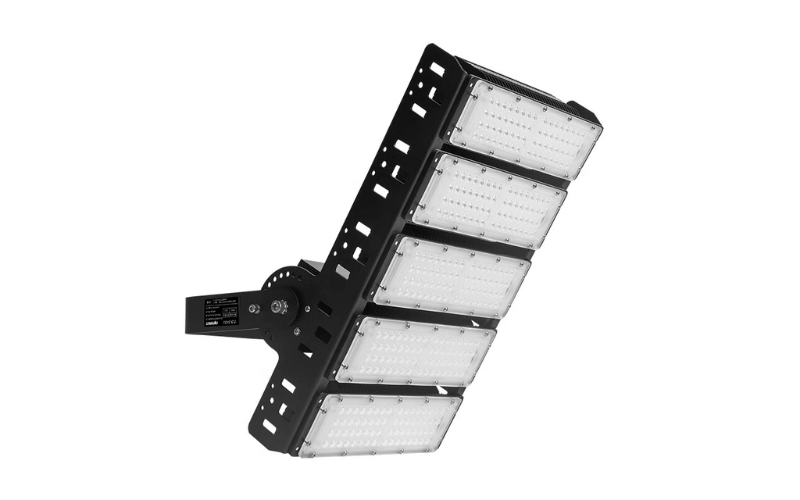
Reliable outdoor lighting is essential for businesses and homeowners to ensure safety and security. One company that specializes in providing reliable LED lighting solutions is Sigo-Light. Sigo-Light offers state-of-the-art LED floodlights known for their durability, energy efficiency, and exceptional performance. These lights are built to withstand harsh weather and provide powerful, uninterrupted illumination throughout the night.
With Sigo-Light’s reliable LED floodlight systems, customers can have peace of mind knowing their properties are well-lit and that any suspicious activity will be clearly visible. Whether illuminating a warehouse, a residential backyard, or a commercial parking lot, Sigo-Light’s dependable floodlights are the perfect solution for anyone seeking high-quality, long-lasting outdoor lighting.
Still have questions? Here are some FAQs that might help businesses looking to set up reliable outdoor LED flood lights:
What are the benefits of using outdoor LED flood lights for my business?
Outdoor LED floodlights offer numerous benefits, including enhanced security, improved visibility, energy efficiency, and aesthetic appeal. They help deter intruders, illuminate large areas, and reduce energy costs compared to traditional lighting solutions.
Are LED flood lights suitable for all weather conditions?
Yes, most outdoor LED flood lights are designed to withstand harsh weather conditions. Look for lights with a high IP rating (IP65 or higher) to ensure protection against rain, snow, dust, and extreme temperatures.
What brightness level should I choose for outdoor LED flood lights?
The brightness of LED flood lights is measured in lumens. For security purposes, lights with 1,500–10,000 lumens are recommended, depending on the size of the area you need to illuminate. Higher lumens are ideal for larger spaces like parking lots or warehouses.
Do outdoor LED floodlights have motion-detection features?
Yes, many outdoor LED flood lights come with motion sensors that activate the light when movement is detected. This feature enhances security and saves energy by only lighting up when needed.
Can LED flood lights be powered by solar energy?
Absolutely! Solar-powered LED flood lights are an eco-friendly and cost-effective option. They are ideal for areas without access to a power source and help reduce electricity costs.
How do I choose the right color temperature for LED flood lights?
Color temperature is measured in Kelvin (K). For outdoor security, a cool white light (4,000K–6,500K) is recommended, as it provides bright, clear illumination. For decorative purposes, warm white light (2,700K–3,000K) creates a softer ambiance.
Are outdoor LED flood lights energy-efficient?
Yes, LED flood lights are highly energy-efficient, consuming up to 80% less energy than traditional halogen or incandescent lights. They also have a longer lifespan, reducing maintenance and replacement costs.
How can I control outdoor LED flood lights remotely?
Many modern LED floodlights come with smart features that allow remote control via smartphone apps or integration with smart home systems such as Amazon Alexa or Google Assistant. This enables you to adjust brightness, set schedules, and monitor usage from anywhere.
Do I need professional installation for outdoor LED flood lights?
The need for professional installation depends on the setup’s complexity. While some LED floodlights are designed for easy DIY installation, others, especially those that require wiring or mounting at high locations, may benefit from professional assistance.
How long do outdoor LED flood lights typically last?
LED flood lights have an impressive lifespan, often lasting 30,000–50,000 hours or more. This means they can operate for several years with minimal maintenance, making them a cost-effective lighting solution.
What’s the difference between traditional flood lights and LED flood lights?
LED floodlights are more energy-efficient, durable, and environmentally friendly than traditional halogen or incandescent floodlights. They also provide better brightness and require less maintenance over time.
How do I plan a comprehensive outdoor lighting solution for my property?
Start by identifying key areas that need illumination, such as entrances, pathways, parking lots, and perimeters. Choose LED floodlights with appropriate brightness, beam angles, and features such as motion sensors or smart controls to ensure complete coverage and efficiency.