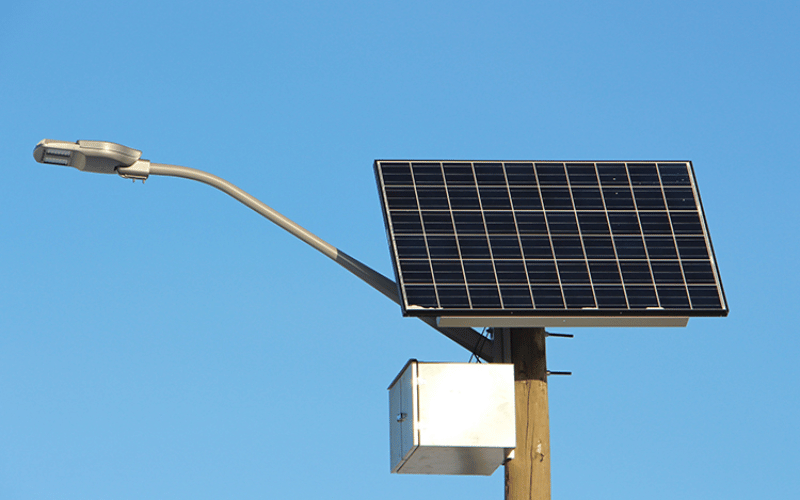
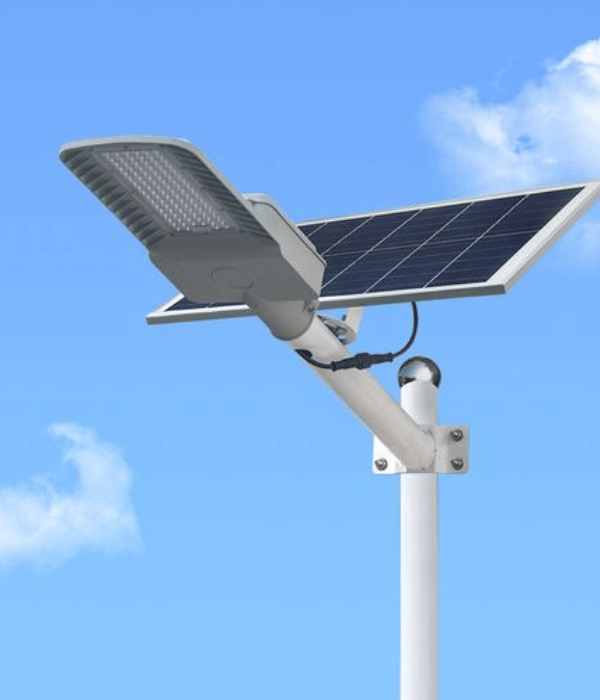
Outdoor solar lights are becoming a favorite choice for homeowners and businesses alike. Their eco-friendly design, cost savings, and easy installation make them an attractive option. But with so many choices, picking the right one can feel challenging.
The key to making the right decision starts with understanding your purpose. Are you lighting a pathway for safety or creating a cozy garden ambiance? Once you know your goal, you can focus on performance factors like brightness and battery capacity, as well as durability to withstand outdoor conditions.
Choosing the right solar lights means balancing purpose, performance, and durability. With a clear understanding of your needs, you can find reliable, long-lasting lights that deliver both functionality and style.
Matching Solar Lights to Your Outdoor Needs
(Step 1)
Choosing the right solar lights starts with understanding your purpose. Each type of outdoor lighting serves a specific role, and matching the light to your needs ensures both functionality and satisfaction. Let’s explore the key categories and how to evaluate your installation site for the best results.
Security and Safety Lighting
When safety is your priority, you need solar lights that deliver high brightness and quick responsiveness. Motion-activated lights, floodlights, and spotlights are excellent choices for deterring intruders and illuminating dark areas.
- Motion-activated lights: These lights turn on only when movement is detected, conserving energy while providing instant illumination. They’re perfect for driveways, entrances, and backyards.
- Floodlights and spotlights: These options offer high lumen output, ensuring wide, bright coverage. Use them to light large areas, such as parking lots, or to highlight specific zones, such as doorways or gates.
For security lighting, prioritize models with adjustable brightness and motion sensitivity settings. This flexibility allows you to customize the light’s performance to suit your environment.
Aesthetic and Accent Lighting
If your goal is to create a welcoming or decorative atmosphere, focus on solar lights designed for ambient illumination. These lights add charm and character to your outdoor spaces.
- Pathway lights: These low-lumen lights guide visitors along walkways while adding a soft, inviting glow.
- String lights: Perfect for patios, gardens, and events, they create a cozy, festive ambiance.
- Decorative lanterns: These lights combine functionality with style, serving as both a light source and a design element.
For aesthetic lighting, look for options with warm-toned LEDs and unique designs that complement your outdoor décor.
Functional Area Lighting
Functional lighting focuses on usability, ensuring that specific areas are well-lit for practical purposes. These lights need to provide a steady and reliable output.
- Steps and mailboxes: Solar lights for these areas improve visibility and safety, especially at night.
- Pool areas: Bright, waterproof solar lights enhance safety and usability around pools or water features.
When choosing functional lighting, prioritize durability and weather resistance. These lights often face heavy use and exposure to the elements, so they need to be built to last.
Evaluating the Installation Site
Even the best solar lights won’t perform well if they’re installed in the wrong location. Assessing your site is crucial for optimal performance.
- Sunlight exposure: Solar panels need direct sunlight to charge efficiently. Avoid shaded areas caused by trees, buildings, or other obstructions. If full sunlight isn’t available, consider high-efficiency lights with low-light panels.
- Ground conditions and mounting options: Determine whether the site is suitable for stakes, wall mounts, or poles. For example, soft soil works well for stake-mounted lights, while wall-mounted options are better for hard-surface areas.
By carefully matching your solar lights to your needs and evaluating the installation site, you can ensure your outdoor lighting system performs reliably and enhances your space.
Key Technical Features to Look For
(Step 2)
When choosing outdoor solar lights, understanding the core performance specifications is essential. These features determine how well your lights will function and whether they meet your specific needs. Let’s dive into the key technical aspects that make or break a solar lighting system.
Battery Capacity and Runtime
The battery is the powerhouse of your solar light, storing energy collected during the day for use at night. Its capacity, measured in milliampere-hours (mAh), directly affects how long your light stays illuminated.
- Battery capacity and runtime: A higher mAh rating means the battery can store more energy, resulting in longer runtimes. For example, a 4,000 mAh battery will last significantly longer than a 2,000 mAh one, especially on cloudy days when charging efficiency is reduced.
- Battery types: Lithium-ion batteries are the gold standard for solar lights. They offer higher energy density, longer lifespans, and better performance at extreme temperatures than NiMH batteries. NiMH batteries, while more affordable, may require more frequent replacements and are less efficient in cold weather.
- Matching batteries to your needs: For security lights that need to stay bright all night, opt for high-capacity lithium-ion batteries. For decorative or accent lighting, smaller batteries may suffice.
Choosing the correct battery ensures your solar lights perform consistently, even on shorter winter days or overcast days.
Brightness and Light Output
Brightness is one of the most noticeable features of a solar light, and it’s measured in lumens (lm). Understanding lumens helps you select the right light intensity for your application.
- What lumens mean: Lumens measure the total amount of visible light emitted by a source. Higher lumens mean brighter light, while lower lumens create a softer glow.
- Recommended lumen levels: For security lighting, aim for 700-1,500 lumens to ensure sufficient brightness for safety. Pathway or accent lights typically require 50-300 lumens for a subtle, inviting glow.
- Consistent brightness: Look for solar lights with efficient energy management systems to maintain steady brightness throughout the night. Lights that dim after a few hours may indicate insufficient battery capacity or poor energy efficiency.
By matching lumen levels to your specific needs, you can achieve the perfect balance of functionality and ambiance.
Solar Panel Efficiency
The solar panel is the heart of your lighting system, converting sunlight into energy. Its efficiency and size determine how quickly and effectively your battery charges.
- Monocrystalline vs. polycrystalline panels: Monocrystalline panels are more efficient, especially in low-light conditions, making them ideal for areas with frequent cloud cover. Polycrystalline panels are less efficient but are often more affordable, making them suitable for regions with consistent sunlight.
- Panel size and efficiency: Larger panels can capture more sunlight, but efficiency matters as much. A small, high-efficiency monocrystalline panel can outperform a larger, less efficient polycrystalline one.
For optimal performance, choose solar lights with high-efficiency panels that match your region’s sunlight conditions. This ensures faster charging and reliable operation, even on cloudy days.
By focusing on battery capacity, brightness, and solar panel efficiency, you can select outdoor solar lights that deliver dependable performance tailored to your needs. These technical features are the foundation of a reliable and effective solar lighting system.
Choosing Solar Lights That Last
(Step 3)
Durability is a critical factor when selecting outdoor solar lights. These lights are constantly exposed to the elements, so they need to be built to withstand whatever nature throws at them. Let’s explore the key aspects of durability and weather resistance to ensure your solar lights stand the test of time.
Understanding IP Ratings
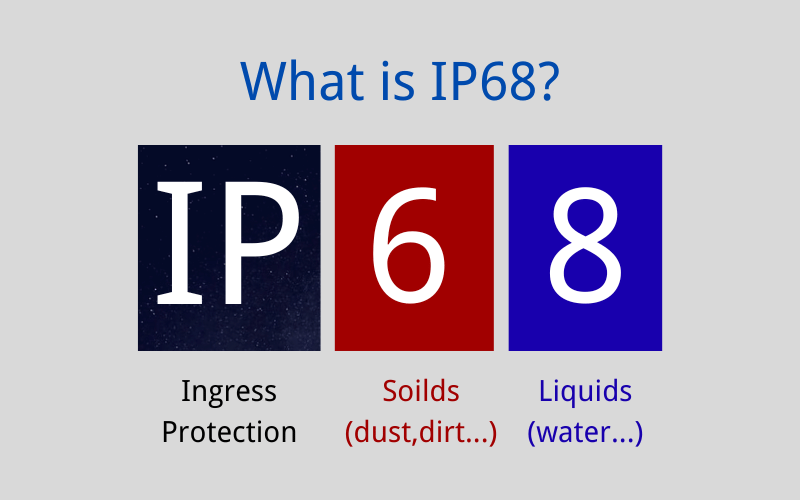
The Ingress Protection (IP) rating system is your guide to understanding how well a solar light is protected against dust and water. Think of it as a durability scorecard.
- What IP ratings mean: The first digit in an IP rating indicates protection against solid particles like dust, while the second digit measures water resistance. For example, an IP65 rating means the light is dust-tight and can handle water jets from any direction.
- Recommended IP ratings: For general outdoor use, look for a minimum of IP44, which protects against splashing water. For harsher conditions, such as heavy rain or snow, choose IP65 or higher. If your lights will be exposed to extreme weather, an IP67 rating ensures they can even survive temporary submersion in water.
By checking the IP rating, you can confidently select lights that match your environment’s challenges.
Material Quality
The materials used in a solar light’s construction play a huge role in its durability. Not all materials are created equal, and choosing the right one can save you from frequent replacements.
- Plastic and resin: These materials are lightweight and affordable but may degrade over time due to UV exposure. Look for UV-resistant coatings to extend their lifespan.
- Metal and aluminum: These materials offer superior durability and resistance to rust. Powder-coated aluminum is an excellent choice for areas with high humidity or salty air, as it resists corrosion.
- Glass vs. polycarbonate lenses: Glass lenses provide better clarity and scratch resistance, but polycarbonate lenses are more impact-resistant and less likely to shatter.
For long-lasting performance, prioritize lights made from high-quality materials that can withstand your local climate.
Weatherproofing Features
Weatherproofing goes beyond materials and IP ratings. It’s about the small details that protect your solar lights from wear and tear in extreme conditions.
- Sealed connections: Ensure the light’s wiring and connections are sealed to prevent water or moisture from seeping in. This is especially important in humid or rainy climates.
- Durable lenses: Look for lenses that can withstand debris or hail impacts. Polycarbonate lenses are an excellent option for areas prone to strong winds.
- Cold and heat resistance: In regions with extreme temperatures, choose lights designed to operate over a wide temperature range. Lithium-ion batteries, for example, perform better in cold weather than other battery types.
By focusing on weatherproofing features, you can ensure your solar lights remain functional and reliable, no matter the conditions.
Durability isn’t just about surviving the elements—it’s about thriving in them. By understanding IP ratings, choosing high-quality materials, and prioritizing weatherproofing, you can invest in solar lights that deliver consistent performance year after year.
Enhancing Your Solar Lighting Experience
(Step 4)
Outdoor solar lights have come a long way, offering advanced features that go beyond basic illumination. These added options not only improve functionality but also enhance the overall user experience. Let’s explore how advanced features can elevate your solar lighting setup.
Color Temperature and Aesthetic Options
The color temperature of your solar lights plays a significant role in setting the mood and ambiance of your outdoor space. Measured in Kelvin (K), it determines whether the light feels warm and cozy or bright and crisp.
- Warm white (2,700K–3,000K): This soft, yellowish light creates a welcoming and relaxing atmosphere. It’s perfect for gardens, patios, and decorative lighting.
- Cool white (4,000K–5,000K): This brighter, more neutral light is ideal for functional areas like pathways, driveways, and security lighting. It provides better visibility without feeling harsh.
- RGB lighting: For those who want to add a splash of color, RGB lights offer customizable hues. These are great for events, holidays, or simply adding a playful touch to your outdoor space.
When choosing a color temperature, consider the light’s purpose and the mood you want to create. A warm white pathway light, for example, feels more inviting than a stark, cool white one.
Optional Features
Modern solar lights come packed with features that make them more versatile and user-friendly. These options can significantly enhance convenience and energy efficiency.
- Motion sensors: Lights with motion sensors activate only when movement is detected, conserving energy while providing added security. These are ideal for driveways, entrances, and backyards.
- Adjustable brightness and lighting modes: Many solar lights now offer multiple brightness levels or modes, such as dim, bright, or flashing. This flexibility lets you customize the light’s performance to your needs.
- Smart connectivity: Some advanced models include innovative features such as app control and remote operation. You can adjust settings, check battery levels, or even schedule lighting times from your smartphone.
These features not only improve functionality but also make your solar lights more adaptable to different situations.
Warranty and Customer Support
A good warranty is like a safety net for your investment. It ensures you’re covered if something goes wrong and reflects the manufacturer’s confidence in their product.
- Battery and material warranties: Look for warranties that cover both the battery and the light’s housing. High-quality solar lights often come with warranties ranging from 1 to 3 years.
- Expected lifespan: High-quality solar lights should last 5–10 years with proper care. Please pay attention to the battery’s expected lifespan, as it’s often the first component to wear out.
Reliable customer support is equally important. Choose brands that offer accessible support channels and clear warranty terms. This ensures you’ll have help if you encounter any issues.
By focusing on advanced features like color temperature, motion sensors, and warranties, you can transform your solar lighting experience. These enhancements not only add value but also ensure your lights meet your specific needs while lasting for years to come.
Frequently Asked Questions (FAQs)
Q: How many hours of direct sunlight do solar lights need to charge fully?
A: Most solar lights need 6-8 hours of direct sunlight for a full charge. However, this can vary depending on the solar panel’s efficiency and the battery’s capacity.
Q: Can I replace the batteries in solar lights?
A: Yes, many solar lights allow for battery replacement. Check the product specifications to ensure they are compatible with rechargeable batteries, such as NiMH or Lithium-ion.
Q: What’s the difference between path lights and spotlights?
A: Path lights provide low-level, ambient illumination along walkways, creating a soft glow. Spotlights, on the other hand, deliver focused, high-intensity light to highlight specific areas or objects.
Q: Do high-lumen solar lights drain the battery faster?
A: Yes, higher lumen output uses more battery power. To balance brightness and runtime, choose lights with efficient batteries and solar panels.
Q: How does temperature affect solar light performance?
A: Extreme cold can reduce battery efficiency, while high heat may degrade materials over time. Select lights with weather-resistant features to ensure reliable performance in your climate.
Conclusion
Defining your purpose and placement lays the foundation for choosing the right solar lights. Once you’ve identified how and where you’ll use them, focus on key factors like performance, durability, and advanced features. By selecting solar lights that align with your specific needs, you ensure optimal performance and long-term satisfaction, making your investment both practical and rewarding.