

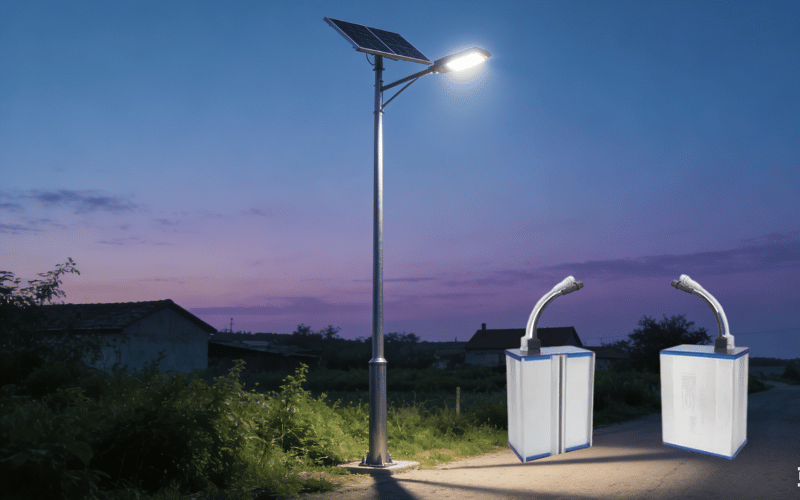
What truly sets a solar street light apart from a standard grid-tied lamp? The answer lies up on the pole – in the battery. But what exactly is meant by terms like “battery type” or “storage capacity”? And how long does a solar light battery truly last?
Below, we’ll unpack all you need to know about this efficient tech that’s lighting our future for the better.
Jump to:
How Do Solar Street Light Batteries Work?
Instead of drawing continuous power from the grid, solar street lights rely on a rechargeable battery pack. Although it often looks like a simple box, it’s actually a complex storage unit that works with the solar panel to power the LED fixture that illuminates the street.
During the day, the solar panel collects sunlight, sending energy to the battery. Then, when the sun sets and the controller detects darkness, the process reverses, and the battery discharges, powering the light for the night ahead.
Over time, daily cycling gradually reduces the battery’s maximum capacity (much like your phone). However, modern solar batteries are designed to retain effective charge for several years of nightly operation, so you can expect reliable lighting for a long time before any significant dimming occurs.
Solar Battery Capacity and Sizes
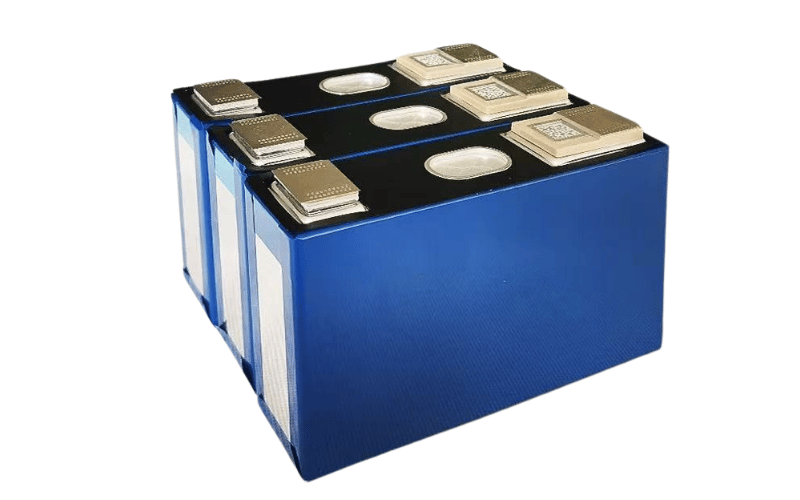
When we talk about “solar battery capacity” or “solar battery sizes,” we’re referring to how much energy the battery can store, usually measured in Ampere-hours (Ah) or Watt-hours (Wh).
But why do these matter to a project manager? Or someone installing solar lights? Well, here’s why:
- Autonomy – generally, the larger the Ah, the longer the light can run without sun. A smaller battery might last just one night, while a bigger pack provides backup for 3-5 cloudy days.
- Cost – Batteries are often the most expensive component of a solar light so that larger-capacity packs can push up the unit’s purchase price. That said, as tech advances, prices are gradually coming down, making reliable autonomy more accessible.
- Charging time – Larger batteries store more energy and may take a bit longer to charge if the solar panel isn’t sized correctly. However, efficient panels can ensure a full charge in a single day, so the actual performance is reliable, even with a large-capacity battery.
What Is the Average Solar Street Light Battery Capacity?
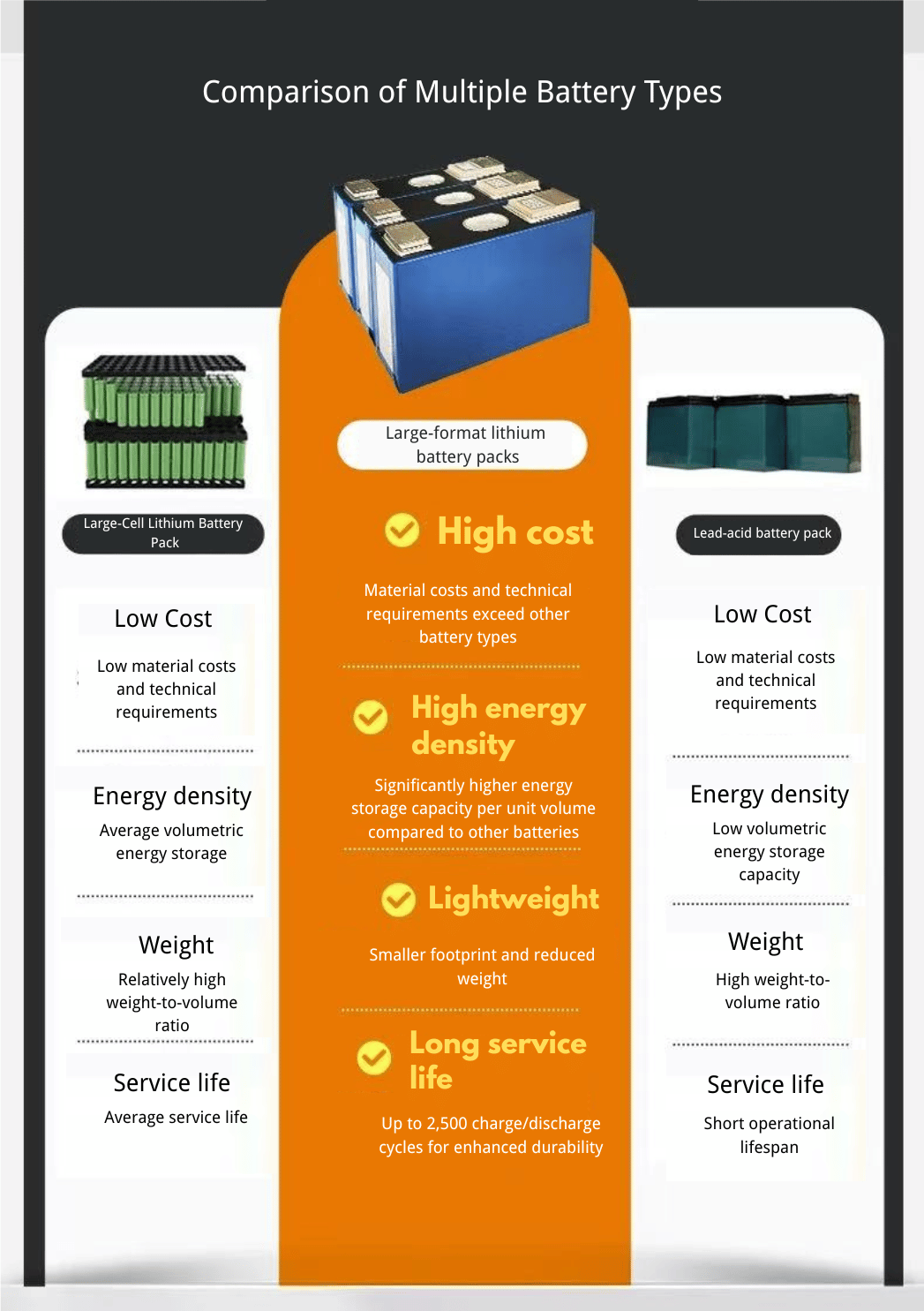
Most solar street lights range from roughly 20 Ah at the smaller end to over 200 Ah for high-powered highway lights. But if you’re curious about the standard for most municipal projects, 40-80 Ah is ubiquitous. This capacity bracket typically yields 3 to 5 nights of autonomy – enough for rainy spells without a sky-high price.
Think about how you plan to use the light. If your location is sunny and dry, you may not need a massive reserve capacity. But if you’re in a region with long winters or want peace of mind, opting for a larger battery capacity could be worth the investment.
Choosing the Right Solar Street Light Battery
Choosing the right solar battery size or chemistry depends on your specific location and lighting requirements.
Some good things to consider include:
- Climate – if you live in an area with extreme heat or cold, specific chemistries (like LiFePO4) handle temperature fluctuations better than others.
- Budget – bigger and more advanced batteries cost more. If you value longevity and low maintenance, the extra expense might be worth it.
- Usage patterns – Do you need dusk-to-dawn brightness? If you can use dimming profiles or motion sensors to save energy, a smaller (cheaper) battery may be sufficient.
How Long Do Solar Street Light Batteries Last?
Worried about climbing a pole to swap a battery every year? Not to worry. Lithium-ion and LiFePO4 batteries in solar lights typically last 5 to 8 years, and many last longer before replacement becomes necessary. You’ll also find most reputable manufacturers offering 3-to-5-year warranties, giving you peace of mind that your system’s capacity won’t plummet overnight.
As battery technology advances, cycle life (how many times a battery can be drained and recharged) continues to improve, meaning both standard and high-capacity packs remain robust for the majority of the light fixture’s life.
Can Solar Street Light Batteries Be Recycled or Repurposed?
A common question about solar batteries is what happens when the unit no longer holds enough charge for nightly lighting. Luckily, the industry is evolving quickly in terms of recycling and safe disposal. Solar batteries are either being recycled for raw materials or properly processed.
You can read more about sustainable energy and its environmental impact in our other sustainability guides.