

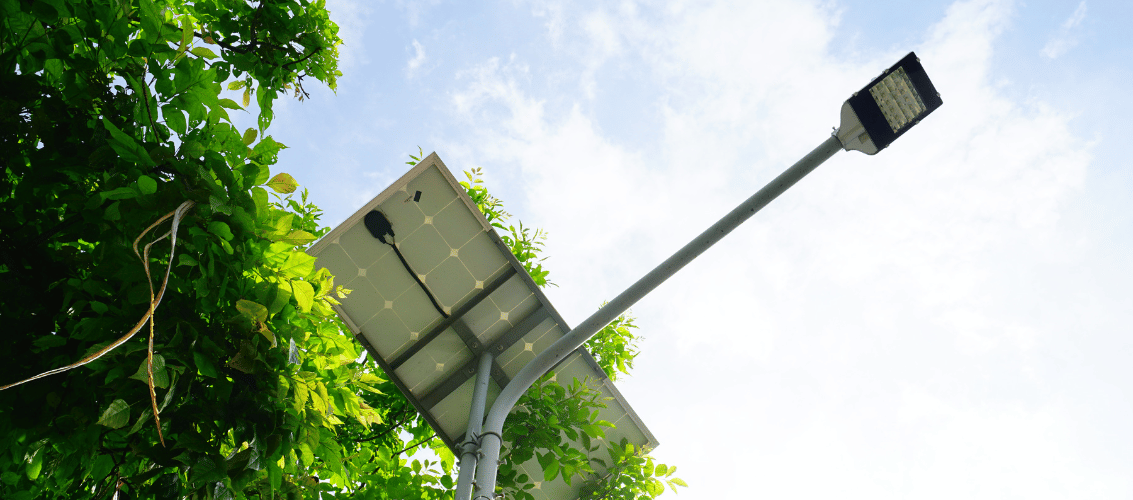
Transitioning urban infrastructure to sustainable energy solutions is a critical task, especially as cities face increasing energy demands. Traditional street lighting systems consume significant amounts of electricity, contributing to high energy costs and environmental degradation.
According to global energy studies, street lighting accounts for a substantial portion of municipal electricity usage. As cities grow and expand, the demand for efficient and sustainable lighting solutions becomes even more pressing.
This is where smart solar streetlight networks come into play. These innovative systems not only provide renewable energy-powered lighting but also incorporate advanced technologies to optimize energy usage. By integrating features like motion sensors, adaptive brightness, and centralized control systems, smart solar streetlight networks are revolutionizing urban lighting and paving the way for a more sustainable future.
What Are Smart Solar Streetlight Networks?
Smart solar streetlight networks are advanced lighting systems that combine solar energy with intelligent technology to optimize urban lighting. These systems go beyond traditional solar streetlights by incorporating features that enhance energy efficiency and functionality.
A smart solar streetlight network uses interconnected lights equipped with sensors, controllers, and communication modules. These components enable the lights to adapt to real-time conditions, such as dimming during low-traffic hours or brightening when motion is detected. The network can also be monitored and controlled remotely, allowing for efficient energy management and maintenance.
By leveraging renewable solar energy and smart technology, these networks provide sustainable lighting solutions while reducing energy consumption and operational costs. They represent a significant step forward in creating smarter, greener cities.
How Do Smart Solar Streetlight Networks Work?
Although the concept of smart solar streetlight networks seems straightforward, implementing these systems requires a sophisticated combination of technology and infrastructure. Each streetlight is equipped with sensors, controllers, and communication modules that work together to optimize energy usage and lighting performance.
These systems rely on software that monitors real-time conditions, such as traffic flow, weather, and ambient light levels. Similar to how energy companies have used off-peak rates to manage electricity demand, smart solar streetlight networks go a step further by dynamically adjusting brightness levels and energy consumption based on actual need. For example, lights can dim during low-traffic hours or brighten when motion is detected.
Research organizations and urban planners estimate that smart solar streetlight networks can reduce energy consumption by up to 50% compared to traditional lighting systems. This is achieved through intelligent energy management and the use of renewable solar power, making these networks a key component of sustainable urban development.
Why Are Smart Solar Streetlight Networks Important?
There are many benefits to implementing smart solar streetlight networks, but let’s focus on the three most significant ones.
They Make Energy Usage More Efficient
One of the biggest challenges with traditional street lighting is inefficient energy use, especially during low-traffic hours. Smart solar streetlight networks address this issue by dynamically adjusting brightness levels based on real-time conditions, such as traffic flow and ambient light. This ensures that energy is used only when and where it’s needed, significantly reducing waste.
For example, studies have shown that smart lighting systems can cut energy consumption by up to 50% compared to conventional streetlights. This optimization not only eases the strain on municipal energy systems but also contributes to a more sustainable urban environment.
They Enhance Renewable Energy Integration
Solar energy is a key component of sustainable urban infrastructure, but its intermittent nature can pose challenges. Smart solar streetlight networks are designed to maximize the use of solar power by storing excess energy in integrated batteries for later use. This ensures consistent lighting even during cloudy days or at night, making the most of renewable energy resources.
By efficiently capturing and utilizing solar energy, these networks help cities reduce their reliance on non-renewable energy sources, further advancing sustainability goals.
They Lower Operational Costs and Improve Reliability
All of the above benefits lead to another critical advantage: cost savings. Traditional streetlights require significant maintenance and energy costs, while smart solar streetlight networks are designed for low maintenance and long-term reliability.
For instance, the ability to monitor and control these systems remotely reduces the need for frequent on-site inspections, saving both time and money. Additionally, the use of renewable energy minimizes exposure to energy price volatility, providing cities with more predictable and stable operational costs.
By addressing energy efficiency, renewable integration, and cost stability, smart solar streetlight networks play a vital role in creating smarter, greener, and more sustainable cities.
Obstacles to Implementing Smart Solar Streetlight Networks
Despite the numerous benefits of smart solar streetlight networks, there are significant challenges to overcome before these systems can be widely adopted.
High Initial Investment
One of the primary obstacles is the high upfront cost of installing smart solar streetlight networks. These systems require advanced components such as sensors, controllers, and communication modules, which can be expensive. Additionally, integrating these systems into existing infrastructure may involve further costs for retrofitting and installation.
Lack of Standardized Regulations
There is currently no consistent set of regulations governing the implementation of smart solar streetlight networks. Policies and standards vary widely between regions, making it difficult to establish a unified approach. This lack of regulatory clarity can slow down adoption and create uncertainty for cities and businesses looking to invest in these systems.
Limited Awareness and Incentives
Another challenge is the lack of awareness about the long-term benefits of smart solar streetlight networks. Many municipalities and businesses are hesitant to invest in these systems due to a perceived lack of immediate returns. Additionally, there are limited incentives or subsidies available to offset the initial costs, which could otherwise encourage adoption.
To successfully implement smart solar streetlight networks, addressing these obstacles must be a priority. By reducing costs, standardizing regulations, and increasing awareness, cities can unlock the full potential of these innovative systems and move toward a more sustainable future.
The Future of Smart Solar Streetlight Networks
Smart solar streetlight networks are poised to revolutionize urban infrastructure, offering significant returns on investment for cities, businesses, and the environment. These systems represent the next step in sustainable urban development, combining renewable energy with advanced technology to create smarter, greener cities.
A Key Component of Smart Cities
As cities worldwide adopt smart city initiatives, smart solar streetlight networks will play a critical role in creating energy-efficient and sustainable urban environments. These systems not only reduce energy consumption but also integrate seamlessly with other smart technologies, such as traffic management and public safety systems.
Expanding Opportunities for Innovation
The future of smart solar streetlight networks lies in their ability to adapt and evolve. With advancements in IoT (Internet of Things) and AI, these systems will become even more intelligent, capable of analyzing data in real time to optimize energy usage and improve performance. This opens up opportunities for cities to implement innovative solutions tailored to their unique needs.
Partnering for Success
Companies like Sigostreetlight are leading the way in developing and deploying smart solar streetlight networks. By offering comprehensive solutions and customizable options, they enable cities and businesses to scale their smart lighting infrastructure efficiently.
Contact Sigostreetlight today to learn how smart solar streetlight networks can transform your city into a model of sustainability and innovation!