
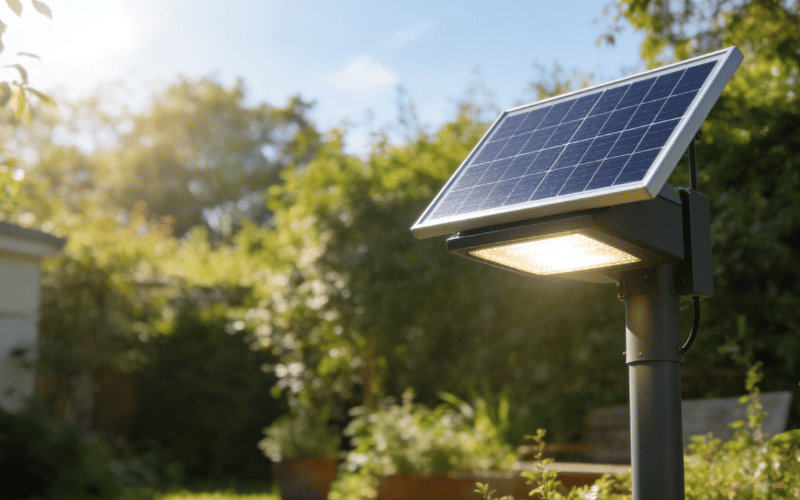
Among all outdoor lighting components, solar panels are among the most critical, significantly impacting performance and efficiency.
The main reason is that the solar panel is the primary component that determines the lighting system’s energy generation and overall functionality. Solar panels come in various types and specifications, each suited for different applications and environments.
If you are exploring outdoor lighting solutions, this guide provides essential tips for selecting the best solar panels. Please read on to get the full details!
Why Choose Monocrystalline Panels for Outdoor Lighting?
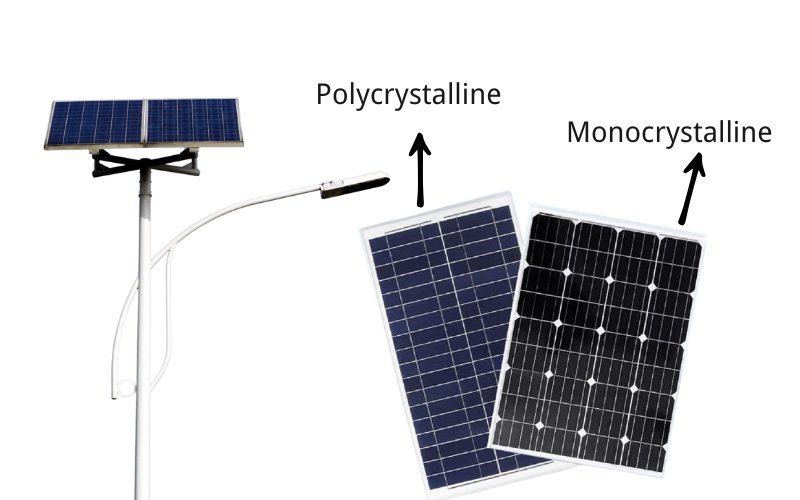
Based on the material, solar panels can be roughly divided into monocrystalline and polycrystalline panels. Over the past decade, polycrystalline panels have been widely used in various applications. However, most outdoor lighting systems now prefer monocrystalline panels. But why?
Although monocrystalline panels are generally more expensive than polycrystalline panels, they offer higher efficiency and better performance in low-light conditions. Additionally, monocrystalline panels are more durable and have a longer lifespan, making them a cost-effective choice in the long run. Their ability to generate more power per square meter ensures optimal performance even in limited space.
For outdoor lighting applications, monocrystalline panels are the preferred choice due to their superior efficiency, durability, and reliability. These qualities make them ideal for ensuring consistent, long-lasting lighting performance across various environmental conditions.
Monocrystalline vs. Polycrystalline Solar Panels
Monocrystalline and polycrystalline solar panels are the two most common types available today. While both serve the same purpose, they differ significantly in terms of efficiency, durability, and cost. Let’s take a closer look at these differences.
Monocrystalline panels are known for their higher efficiency, making them ideal for applications with limited space. However, they are more expensive compared to polycrystalline panels. On the other hand, polycrystalline panels are more affordable but less efficient, which may require more space to achieve the same energy output.
In terms of durability, monocrystalline panels perform better in extreme conditions, offering a longer lifespan and consistent performance. While cost-effective, polycrystalline panels are less durable and may not withstand harsh environmental conditions as effectively.
| Parameter | Monocrystalline Panels | Polycrystalline Panels |
|---|---|---|
| Efficiency | High | Moderate |
| Cost | Higher | Lower |
| Durability | High | Moderate |
| Lifespan | Longer | Shorter |
In conclusion, the choice between monocrystalline and polycrystalline panels depends on your specific needs and budget. Monocrystalline panels are the preferred option for high efficiency and durability, while polycrystalline panels are a cost-effective alternative for less demanding applications.
Types of Solar Panels for Outdoor Lighting
Solar panels for outdoor lighting can be broadly categorized into three types: monocrystalline, polycrystalline, and thin-film panels. Each type has unique characteristics that make it suitable for specific applications.
Monocrystalline Panels
Monocrystalline panels are known for their high efficiency and compact design. They are ideal for outdoor lighting applications where space is limited, as they generate more power per square meter. However, their higher efficiency comes at a higher cost, making them a premium choice for projects requiring long-term performance and reliability.
Polycrystalline Panels
Polycrystalline panels are a more affordable option compared to monocrystalline panels. While they are less efficient, they are still a viable choice for outdoor lighting in areas where space is not a constraint. Their lower cost makes them suitable for budget-conscious projects, though they may not perform as well in low-light conditions.
Thin-Film Panels
Thin-film panels are lightweight and flexible, making them easy to install in various outdoor lighting setups. However, they have lower efficiency compared to monocrystalline and polycrystalline panels. Thin-film panels are best suited for applications where weight and flexibility are more critical than high efficiency.
| Parameter | Monocrystalline Panels | Polycrystalline Panels | Thin-Film Panels |
|---|---|---|---|
| Efficiency | High | Moderate | Low |
| Cost | Higher | Lower | Moderate |
| Durability | High | Moderate | Low |
| Flexibility | Low | Low | High |
In conclusion, the choice of solar panel type depends on the specific requirements of the outdoor lighting application. Monocrystalline panels are ideal for high-efficiency applications, polycrystalline panels are suitable for cost-effective solutions, and thin-film panels are perfect for lightweight, flexible installations.
Key Factors to Consider When Choosing Solar Panels
When selecting solar panels for outdoor lighting, several critical factors must be considered to ensure optimal performance and long-term reliability. Below are the key aspects to evaluate:
Efficiency
Efficiency refers to how well a solar panel converts sunlight into electricity. Higher efficiency panels, such as monocrystalline panels, are ideal for areas with limited space, as they generate more power per square meter.
Durability
Durability is crucial for outdoor applications, as solar panels must withstand a range of weather conditions, including rain, snow, and extreme heat. Panels with robust construction and high-quality materials ensure better resistance to environmental factors.
Size and Wattage
The size and wattage of the solar panel should match the application’s specific lighting needs. Larger panels with higher wattage are suitable for high-power lighting systems, while smaller panels are sufficient for low-power setups.
Temperature Coefficient
The temperature coefficient indicates how well a solar panel performs under varying temperatures. Panels with a lower temperature coefficient are more efficient in maintaining performance in extreme heat or cold.
Warranty and Lifespan
A longer warranty and lifespan ensure the solar panel’s reliability and cost-effectiveness over time. Panels with extended warranties provide peace of mind and better value for investment.
| Factor | Importance |
|---|---|
| Efficiency | Higher power output in a limited space |
| Durability | Resistance to harsh weather conditions |
| Size and Wattage | Matching panel size to lighting requirements |
| Temperature Coefficient | Performance in extreme temperatures |
| Warranty and Lifespan | Long-term reliability and cost-effectiveness |
In conclusion, considering these factors will help you choose the most suitable solar panel for your outdoor lighting needs, ensuring efficient and reliable performance in the long run.
How to Test and Evaluate Solar Panels Before Purchase
When purchasing solar panels for outdoor lighting, it is essential to test and evaluate their quality to ensure optimal performance and durability. Below are the top three methods to assess solar panels before making a purchase:
1: Measure Panel Size and Wattage
The size and wattage of the solar panel should match your lighting system’s power requirements. For instance, a higher wattage panel is necessary for high-power lighting applications, while smaller panels are suitable for low-power setups. Ensuring the panel meets the required power output is crucial for efficient operation.
2: Check Panel Weight and Build Quality
The weight of a solar panel can provide insights into its build quality. Heavier panels often indicate the use of better materials, which contribute to greater durability and resistance to environmental factors. Inspecting the panel’s construction ensures it can withstand harsh weather conditions.
3: Verify Certifications
Certifications such as IEC and UL are essential indicators of a solar panel’s quality and safety standards. Panels without these certifications may not meet industry requirements, leading to potential performance issues or safety risks. Always verify the certifications before purchasing.
| Evaluation Method | Importance |
|---|---|
| Panel Size and Wattage | Ensures compatibility with lighting requirements |
| Panel Weight and Build Quality | Indicates material quality and durability |
| Certifications | Verifies compliance with safety and quality standards |
In conclusion, following these evaluation methods will help you select high-quality solar panels that meet your outdoor lighting needs, ensuring reliable and long-lasting performance.
Conclusion
Choosing the right solar panel for outdoor lighting is crucial to ensure efficient, reliable, and long-lasting performance. By considering key factors such as efficiency, durability, and compatibility with your lighting system, you can make an informed decision that meets your specific needs.
Remember, the right solar panel not only enhances the performance of your outdoor lighting but also ensures cost-effectiveness and sustainability in the long run. For the best results, consult experts or trusted suppliers who can guide you in selecting the most suitable solar panels for your application.