

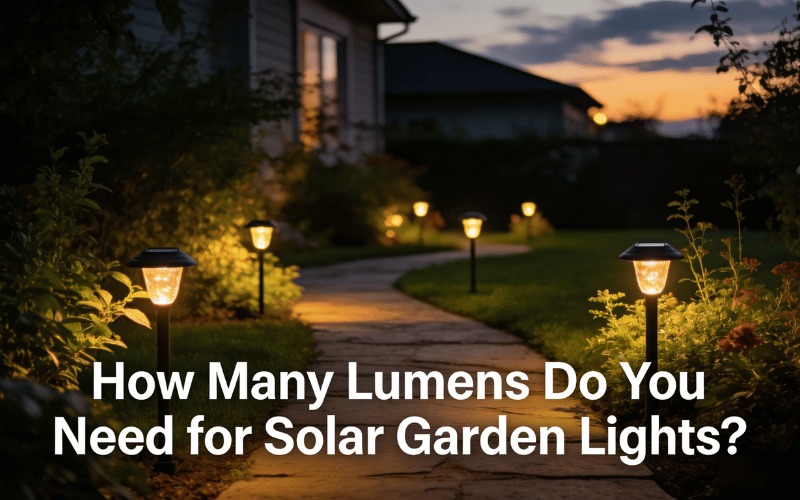
When it comes to outdoor spaces, proper lighting plays a crucial role in both aesthetics and functionality. The appropriate lighting can transform a garden into a magical retreat while ensuring safety and visibility. But how do you determine the ideal brightness for your solar garden lights?
In this blog post, we’ll explore the importance of lumen ratings for solar garden lights. We’ll discuss how different lumen levels can enhance your garden’s ambiance and provide practical tips for choosing the best lighting for your outdoor space. Whether you’re looking to create a cozy atmosphere or improve visibility, understanding lumens is key to making the right choice.
What is a Lumen, and Why Does It Matter for Solar Garden Lights?
A lumen is a unit of measurement that describes the total amount of visible light emitted by a source. For solar garden lights, lumens are critical for determining brightness, with typical lights ranging from 15 to 50 lumens. This output is usually sufficient for accenting pathways and garden features without being overpowering.
Furthermore, it’s crucial to balance brightness with energy efficiency. A solar light with higher lumens will consume more power, potentially reducing its runtime after a day’s charge. With the right lumen level, your solar garden lights will provide beautiful illumination throughout the night, effectively enhancing your outdoor space.
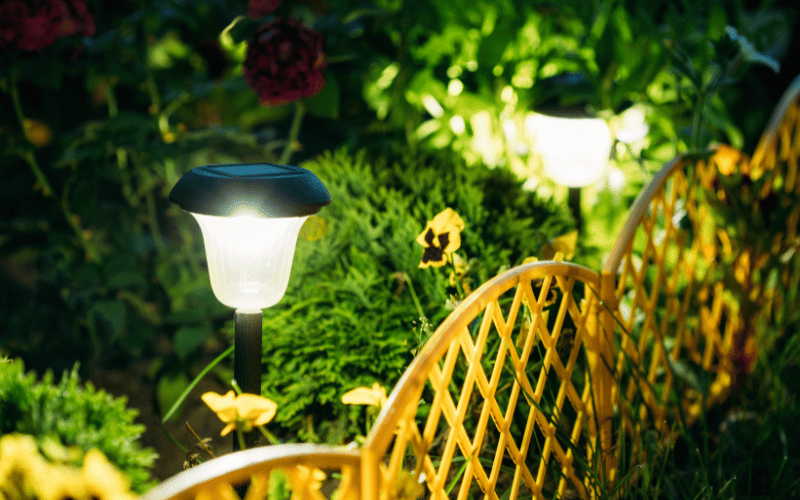
Understanding the Relationship Between Watts and Lumens in Solar Lights
With traditional incandescent bulbs, brightness was often measured in watts. This made it simple to gauge brightness levels, as most people understood what to expect from a 60-watt bulb, for example. The light pattern was generally uniform, and this familiar system worked well for household lighting choices.
However, with the rise of LED technology in solar lights, things have become more complex. Lumens are now the standard unit of measurement for brightness, and the compact nature of LEDs enables innovative designs that were previously impossible with older bulbs. These new designs don’t consistently deliver the expected brightness, which created a need for a more straightforward way to compare and choose effective solar lights.
How Many Lumens Do You Need for Solar Garden Lights?
When choosing solar garden lights, the number of lumens you need depends on their purpose. For decorative lighting to accent features, 10-30 lumens is often enough. Pathway lighting requires more brightness for safe navigation, so look for 50-100 lumens. For security purposes, much brighter lights of 700-1300 lumens are necessary to illuminate large areas. Choosing the right lumen level ensures your garden is lit effectively for its intended use.
What Is the Best Lumen Rating for Solar Garden Lights?
The answer, of course, depends on the garden owner. Some people prefer subtle, ambient light for a soft glow, while others need brighter light to illuminate specific areas or ensure safety. Garden size is also a major factor; a larger yard will naturally require more or brighter lights than a small patio.
Typically, 10-30 lumens is sufficient for decorative accent lighting, but a long, dark pathway might benefit from 50-100 lumens per light. For an outdoor dining area, you might want something brighter still. The key is to match the lumen output to the specific task. This is why some solar lights offer adjustable brightness settings, providing the flexibility to change from ambient to functional light as needed.
Factors to Consider When Buying Solar Garden Lights
When choosing the best solar garden lights, there are a few things to consider. First, you need to consider the type of light source and its durability.
Light Source, Durability, and Weather Resistance
LEDs are the standard for solar lights because they are highly energy-efficient and long-lasting. You should also check the light’s IP (Ingress Protection) rating, which indicates its resistance to dust and water—crucial for any outdoor fixture.
Battery Life and Solar Panel Efficiency
Another thing to consider is battery life and the quality of the solar panel. A light with a high-capacity battery and an efficient solar panel will stay lit longer into the night, even after a cloudy day. A small, low-quality panel might struggle to gather enough energy.
Choosing a Style That Fits Your Garden
Finally, you’ll need to decide on a style that fits your garden’s aesthetic. Whether you want sleek, modern fixtures for a contemporary look or rustic, traditional lanterns to create a cozy feel, there’s sure to be a solar garden light that’s perfect for your space.
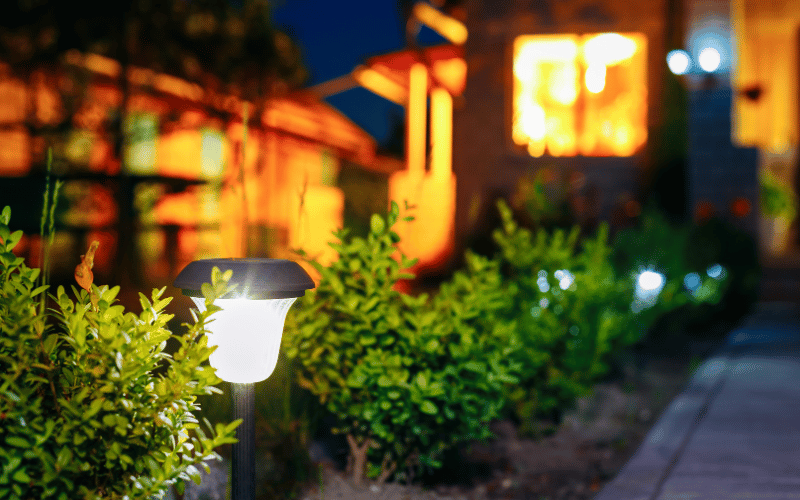
Should You Choose Warm or Cool Light for Your Garden?
Warm light, with its yellowish hue, creates a cozy, inviting ambiance perfect for relaxation and social gatherings. It mimics candlelight or a sunset, making it ideal for seating areas, patios, and highlighting natural materials like wood and stone. However, it may render some colors less accurately and can be less effective for tasks requiring high visibility.
Cool light provides a crisp, modern look that enhances visibility and brings out the vibrant greens and blues in your garden. Its bright, white-bluish tone is excellent for security lighting, illuminating pathways, and showcasing contemporary garden designs or water features. However, it can sometimes feel stark or clinical if not used thoughtfully.
When choosing your garden lighting, it’s essential to consider your needs and the desired atmosphere. Many modern solar lights offer adjustable color temperatures, giving you the best of both worlds. You can switch from a cool, bright light for safety to a warm, soft glow for entertaining, all with the same fixture. This flexibility ensures your garden is always perfectly lit for any occasion.
Where to Place Solar Garden Lights for Maximum Effectiveness
If you’re like most people, you probably spend little time thinking about where to place your solar garden lights. But if you’re looking for the perfect ambiance and functionality, it’s worth considering the strategic placement of each light.
The ideal location ensures the solar panel receives at least 6-8 hours of direct sunlight daily. For pathways, place lights on alternating sides to create even, overlapping pools of light for safe navigation. To highlight flower beds, angle lights upwards to illuminate foliage and blooms. On patios, position them to define the space without causing glare. Correct placement maximizes both the light’s performance and your garden’s beauty.
How Design Impacts the Brightness of Solar Garden Lights
Another key component is how the light fixture distributes light. While a simple LED might cast light in a general direction, a good designer can use the fixture’s shape to make that light work much harder. For example, a solar path light might use a cone-shaped reflector to direct all of its light downwards onto the ground, creating a bright, focused circle exactly where it’s needed for safety.
The technical design elements that achieve this include reflectors, diffusers, and lens shapes. A solar spotlight with a low lumen rating of 50 can appear incredibly bright because its narrow lens concentrates all the light into a single, powerful beam. In contrast, a decorative lantern with the same lumen rating might use a frosted diffuser to spread the light softly in all directions, creating a gentle ambiance rather than focused brightness. This demonstrates how design manipulates a light’s perceived intensity and coverage area, regardless of the raw lumen output.
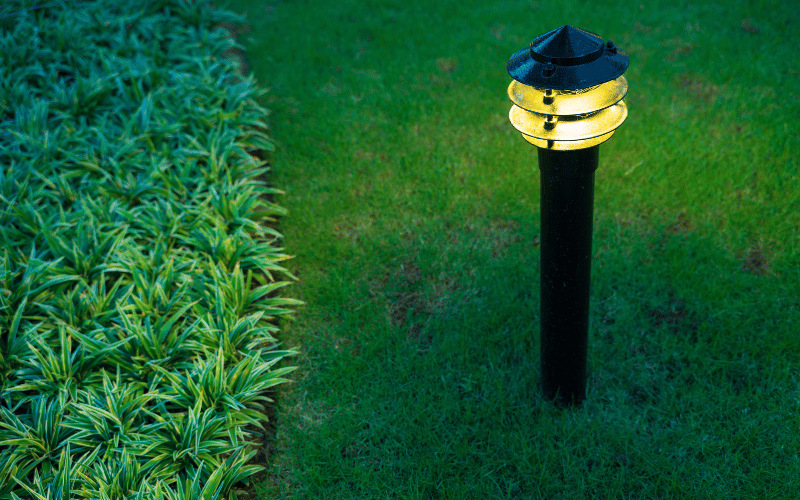
Two Popular Solar Garden Lights to Consider
Now that you know all there is to know about lumens, you’re ready to go out and buy the best solar light for your needs. Be sure to consider the light’s features and style, as well as where you’ll be placing it.
And don’t forget, if you are considering solar lights for your patio or garden space, make sure to check out the Sigostreetlight 3M Solar Garden Lamp and the Sigostreetlight 25W Weatherproof Light. The new Sigostreetlight lamps feature high-tech sensors and efficient LEDs that adjust brightness throughout the night, delivering 600 lumens to your yard. They also include handy features that let you switch between decorative and security modes, which can help in different outdoor settings.
What do you think about these eco-friendly options? You should really see them for yourself.
Final Thoughts: Choosing the Best Solar Garden Lights for Your Needs
Now that you know all there is to know about lumens, you’re ready to go out and buy the best solar garden lights for your needs. Be sure to consider your garden’s layout, your desired ambiance, and the specific functions you need, from pathway safety to decorative highlights.
And don’t forget, the perfect lighting solution balances brightness, style, and efficiency. We encourage you to explore the wide variety of solar light options available and find the ones that will bring your outdoor space to life.
Contact us to learn more.