

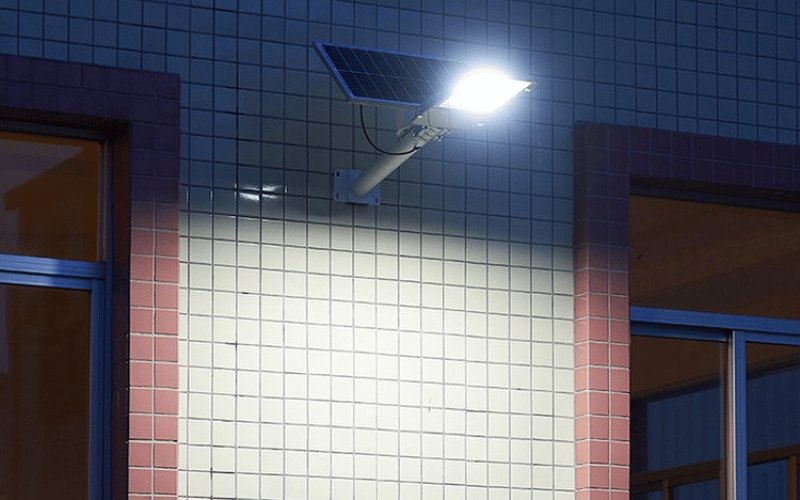
Understanding lumens is essential when selecting the right lighting for your outdoor spaces. Lumens measure the total light output from a bulb or fixture, helping you gauge how bright a light will be in any given area. This is different from watts, which measure energy usage. Correctly choosing the number of lumens for each outdoor zone ensures that your lighting meets both functional safety needs and aesthetic preferences.
Whether you’re illuminating a driveway for security, highlighting a garden path, or creating a cozy atmosphere on your patio, the right lumens can enhance your home’s curb appeal, safety, and energy efficiency. Too much light can annoy neighbors and wash out the stars, while too little can leave dangerous tripping hazards in the dark. In this guide, we’ll walk you through the recommended lumens for different outdoor areas to help you achieve the perfect lighting setup. By striking the right balance, you can extend your living space into the evening hours and enjoy your property long after the sun goes down.
Understanding Lumens and Outdoor Lighting Needs
When selecting the right lighting for your exterior, it’s important to understand the difference between lumens and watts. While watts measure how much energy a light bulb uses, lumens measure the brightness or light output of the bulb. In short, lumens tell you how much light you’re getting, while watts tell you how much electricity it consumes. This distinction is crucial when choosing outdoor LED fixtures, as you want to balance brightness with energy efficiency, especially for lights that run all night.
In outdoor settings, you might also encounter the term “foot-candles,” which measures light intensity on a specific surface area (one lumen per square foot). This can help you fine-tune your lighting for optimal safety and visibility. Unlike indoor rooms, where light bounces off walls, outdoor light disperses into the open air. This means you often need to be more strategic with your lumen selection to ensure the light actually reaches where it needs to go without vanishing into the night sky. Understanding these basics prevents you from buying a floodlight when you really need a soft accent light.
Recommended Lumens for Different Outdoor Areas
When lighting your exterior, each zone has unique needs that contribute to functionality and ambiance. The right amount of light can make a space feel inviting and safe while serving its intended purpose. In this section, we’ll break down lighting recommendations for each area, starting with pathways—where safety is paramount.
Pathways and Walkways
Aim for 100-200 lumens per fixture for pathways and walkways. The goal here is navigation, not interrogation. You want enough light to see where you are stepping and to define the edge of the path, but not so much that it creates glare. Spacing is key; using lower-lumen lights spaced closer together often creates a better effect than a single bright light trying to cover the whole strip. This creates a gentle rhythm of light that guides guests safely to your door.
Patios and Decks
For patios and decks, aim for ambient lighting that mimics the cozy feel of a living room. Generally, 100-300 lumens per fixture works well for wall sconces or post lights. If you are grilling or eating, you might need task lighting around 300-600 lumens in specific spots. The idea is to create a warm, social atmosphere where people can see each other clearly without being blinded. Dimmable options or string lights are excellent for adjusting the mood from a bright family dinner to a relaxed evening cocktail.
Driveways and Parking Areas
Driveways require higher visibility for safety and security. Aim for 700-1300 lumens for floodlights or post lights in this area. This brightness ensures you can see potential obstacles, navigate the car safely, and identify anyone approaching the home. Motion-sensor lights are particularly effective here; they can deliver high-lumen bursts (up to 2000+ lumens) when movement is detected, startling intruders while keeping light pollution low when the driveway is empty.
Gardens and Landscaping
For gardens and landscaping, less is often more. Aim for 50-300 lumens, depending on the size of the feature you are highlighting. A small shrub might only need 50 lumens to look dramatic, while a large oak tree might require a 300-lumen spotlight to reach the canopy. The goal is accentuation—using light and shadow to create visual interest. Highlighting textures of stone walls or the silhouette of a tree creates depth and beauty without overwhelming the natural darkness of the yard.
Calculating Lumens for Your Outdoor Space
Don’t worry—math doesn’t have to be complicated to get your outdoor lighting right! To calculate the amount of light you need for a specific outdoor zone, first determine the square footage of the area you want to illuminate. Measure the length and width of the patio, driveway, or path section. For example, a small patio that’s 10 feet by 10 feet has 100 square feet.
Next, you need to determine the desired “foot-candles” (lumens per square foot) for that specific use.
- Pathways: 1-2 foot-candles
- Patios: 2-5 foot-candles
- Driveways: 1-2 foot-candles
- Security areas: 5-10 foot-candles
Multiply the area’s square footage by the recommended foot-candles. For a 100 sq. ft. patio that you want to be moderately bright (3 foot-candles), the calculation would be:
100 sq. ft. × 3 foot-candles = 300 lumens total.
This means you need a total of 300 lumens delivered to that surface. You could achieve this with one 300-lumen wall light, or perhaps better, three 100-lumen post lights distributed around the perimeter. For a large driveway (400 sq. ft.) needing security brightness (5 foot-candles), you would need 2,000 lumens total. This simple formula prevents guesswork and ensures you buy fixtures powerful enough to do the job.
Factors Influencing Outdoor Lighting Needs
Several factors can impact your exterior’s lighting requirements beyond simple math. For example, dark siding or dense foliage may absorb light rather than reflect it, necessitating higher lumens for optimal visibility. The layout of your property also plays a massive role in how light travels.
When choosing outdoor lighting, it’s essential to consider personal preferences—whether you prefer a high-security perimeter or a subtle, resort-like vibe—and the environmental conditions of your area. Adjusting lighting based on these factors ensures both functionality and visual appeal.
Area Size and Layout
Larger areas naturally require more lumens, but the layout dictates how those lumens are delivered. A long, winding path requires multiple low-lumen fixtures to avoid dark spots, whereas a single central light might serve a compact deck. Additionally, obstacles like large trees, fences, or changes in elevation can block light, requiring you to add additional fixtures or increase brightness to eliminate dangerous shadows.
Purpose of Lighting
The intent behind the light dictates the lumen count. If the purpose is strictly security, you want high-intensity, cool-white light (high lumens) that leaves no place to hide. If the purpose is decorative landscape lighting, you want low-intensity, warm light (low lumens) that invites the eye to linger. A light meant for reading on a patio needs to be brighter than a light meant to mark a retaining wall.
Environmental Conditions
Your local environment matters. If you live in an area with frequent fog or rain, slightly brighter lights can help cut through the weather. Conversely, if you have very dark exterior walls (like brick or dark siding), they will absorb light, meaning you might need higher lumens to achieve the same perceived brightness as a house with white siding that reflects light. Also, consider light pollution; in rural areas, lower lumens appear much brighter than in a city with streetlights.
Common Outdoor Lighting Mistakes to Avoid
Many homeowners make mistakes when lighting their exteriors, often treating it like indoor lighting. By understanding the correct lumen levels for each zone and avoiding common pitfalls, you can achieve optimal lighting for safety and curb appeal. Here are some key mistakes to avoid:
Over-lighting or Under-lighting
One of the most common mistakes is blasting the yard with floodlights. Using too many lumens (over-lighting) creates “light bombs” that cause glare, blinding you when you look out the window, and annoying neighbors. It flattens the landscape and looks harsh. On the other hand, under-lighting creates a “spooky” effect with deep, unsafe shadows where intruders or tripping hazards can hide. It is crucial to balance the brightness. A patio might need 300 lumens, not 3000. Save the high power for motion-activated security bursts.
Ignoring Task Lighting
Many outdoor areas, such as grilling stations or outdoor kitchens, require task lighting, just like indoor kitchens. Relying solely on a distant porch light creates shadows right where you are trying to cook. A grill area may need a dedicated 400-500 lumen flexible light to ensure you can see the food safely. Ignoring this leads to undercooked burgers and frustration. Similarly, steps need focused light to be safe; relying on general ambient light often isn’t enough to define the tread.
Improper Light Placement
Properly directing light is just as important as choosing the right number of lumens. Pointing lights straight into people’s eyes (like a spotlight at eye level) is a major error. Lights should generally be positioned to shine down (downlighting) or reflect off surfaces. Placing a security light too low makes it easy to tamper with, while putting a path light too far from the path wastes lumens on the grass. Correct placement ensures that lumens are utilized efficiently to illuminate the target, not the sky or your eyes.
Conclusion
Tailoring outdoor lighting to each zone’s function and size is essential for creating a practical and aesthetically pleasing exterior. These guidelines offer a helpful starting point, but feel free to adjust based on your unique property and personal preferences. Remember, the right lighting not only enhances functionality by making your home safer to navigate but also elevates the overall ambiance, increasing curb appeal and extending your outdoor living time.
By calculating your specific lumen needs and avoiding common pitfalls like glare and over-lighting, you can transform a dark yard into a welcoming retreat. Whether you are installing a new system or upgrading old fixtures, focusing on lumens rather than watts will ensure you get the perfect level of brightness every time. Illuminating your home correctly is an investment in both beauty and security.