


As demand for solar street lights grows worldwide, so does the expectation for reliable, uninterrupted illumination—even in less-than-ideal weather. I’ve seen firsthand how cloudy or rainy days can challenge the performance of solar lighting, from urban avenues to remote village roads. Meeting community needs for safety and visibility means your solar street lights must be designed for resilience and efficiency. Stability isn’t just a technical concern; it’s a matter of public trust. From my experience working with system planning and field installations, the following eight strategies truly make a difference for projects that can’t afford to go dark.
Here’s a practical summary of what works best—not just in theory, but in real-world deployments. I’ll also share a few insights drawn from hands-on experience and include tables to visualize key options, helping you make evidence-based decisions.
1. Upgrade to Monocrystalline Panels and MPPT Controllers
Monocrystalline solar panels are the gold standard for squeezing every watt out of limited sunlight—crucial on overcast days. Their higher efficiency and smaller size are clear advantages for pole-mount applications, keeping weight low and performance high. Paired with advanced MPPT (Maximum Power Point Tracking) controllers, these systems outperform typical PWM setups by harvesting more available light, especially during poor weather. I’ve run side-by-side tests: MPPT controllers often deliver nearly twice the rainy-day power compared to PWM controllers. If you need the most from your system, start with the right panel and controller combination.
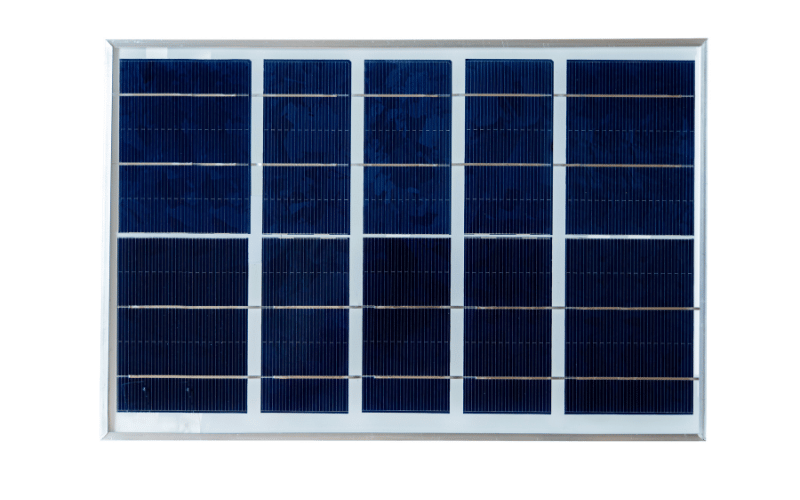
Comparison Table: Mono vs. Poly Panels & Controllers
| Feature | Monocrystalline + MPPT | Polycrystalline + PWM |
|---|---|---|
| Efficiency (%) | 19–23 | 15–19 |
| Low-Light Output | Excellent | Moderate |
| Footprint | Smaller | Larger |
| Cost | Moderate | Lower |
| Performance in Rain | High | Lower |
My advice: it’s usually more effective (and budget-friendly) to increase solar panel capacity than to simply add more batteries. After all, it’s the panels that generate the energy you depend on.
2. Increase Solar Panel Size or Add Panels
When I consult on system upgrades for areas with lots of cloud cover, increasing panel size is often my first recommendation. The principle is simple—oversize your panels and you build in a buffer for cloudy days, helping batteries stay charged. Adjustable brackets let you optimize tilt through the year, and—something I like to point out—combining several panels at differing orientations maximizes collection for sites with shifting sun angles. Don’t underestimate this; thoughtful panel placement is often a low-cost, high-impact fix to cloudy-weather challenges.
| System Configuration | Standard Panel | Oversized Panel |
|---|---|---|
| Average Daily Charge (Cloudy) | 40% | 70% |
| Battery Autonomy (Days) | 1.5 | 2.5 |
| Relative System Cost | Base | +15–25% |
3. Use High-Efficiency LED Chips
Advancements in LED technology are a game-changer for solar lighting. High-luminance chips, such as the latest 7070 series, can reach up to 205 lm/W, translating to more brightness per watt. In practical terms, you’re lighting the same area with less energy—meaning extended hours even under a reduced solar charge. Keeping LED covers clean also matters more than many people realize; accumulated dust or grime cuts down your usable light and wastes precious battery power. For municipalities managing many fixtures, investing in high-efficiency LEDs pays off with longer service intervals and smaller utility footprints.
LED Chip Performance Table
| LED Chip Type | Luminous Efficacy (lm/W) | Power Needed (W) for 5000lm |
|---|---|---|
| Standard | 150 | 33 |
| 7070 High-Eff. | 205 | 25 |
| Annual Savings* | — | Up to 20% |
*Savings based on reductions in required panel/battery size and maintenance.
4. Implement Smart Dimming Controls
Anyone who has managed a solar street light network knows energy conservation is key during cloudy periods. Smart dimming controls—motion sensors, time-based, or dusk-to-dawn—stretch available power by tailoring brightness to real usage patterns. I’ve deployed systems that switch to low-power standby when no one’s around, only turning up the light when motion is detected. This not only extends running time, but also addresses community concerns about light pollution and battery longevity. Quality systems allow easy remote dimming adjustments as seasons change—a feature that’s made my job much easier during winter months with shorter daylight.
5. Choose Advanced Battery Solutions
Your solar system is only as reliable as its batteries. Modern lithium iron phosphate (LiFePO4) units offer higher density, superior cycle life, and better deep-discharge performance than old-school lead-acids. Equally important, integrating a smart Battery Management System (BMS) protects against common failure modes, safeguarding your investment and reducing long-term maintenance. In my view, paying up for quality batteries pays off—fewer replacements, fewer service calls, and much greater peace of mind when the weather turns for the worse.
| Battery Comparison | Lead-Acid | LiFePO4 |
|---|---|---|
| Energy Density | Moderate | High |
| Cycle Life (Full Cycles) | 500–800 | 2000+ |
| Deep Discharge Tolerance | Poor | Excellent |
| Typical Lifespan (Years) | 2–4 | 6–10 |
| Integrated BMS | No | Yes |
6. Design Systems for Local Weather Conditions
Location truly matters. It’s tempting to use a one-size-fits-all model, but in my experience, customizing panel size, battery capacity, and equipment durability for your specific climate is vital. In coastal or dusty regions, corrosion-resistant frames and self-cleaning glass extend life and minimize outages. Smart system design—whether that’s bigger batteries in rainy zones or angled mounts in snowy areas—ensures your lights keep working through bad stretches, not just during ideal conditions. Conducting a site survey and checking local climate data has saved me from many post-installation headaches.
7. Hybrid Grid or Wind-Assisted Systems for Critical Areas
There are times when even the best solar setup needs a safety net. For mission-critical installations—think hospital parking lots, bridge approaches, or major intersections—hybrid systems are a worthwhile investment. Connecting to the grid (for backup) or supplementing with a compact wind turbine provides redundancy during prolonged dark spells. These solutions involve higher up-front investment and system complexity, but the payoff is unwavering reliability where it matters most. I recommend hybrid options only where outages aren’t acceptable, since simplicity is often best for standard applications.
8. Apply Regular Maintenance and Remote Monitoring
All too often, maintenance is viewed as a chore, but I see it as protecting your investment. Regular cleaning of panels, prompt repair of wiring and connectors, and routine checks on battery health pay dividends in lighting uptime. Remote monitoring takes this to another level—allowing real-time tracking of system performance and early detection of issues before they lead to blackouts. In my last project, remote diagnostics caught a battery issue before it became a public complaint, illustrating how well this works in practice.
Frequently Asked Questions
Do solar lights charge at all when it’s raining?
Yes, solar lights still collect charge during rainy or overcast days. However, the amount of energy generated is much lower compared to sunny days, so the lights may not last as long at night.
How many hours of daylight are needed for a full charge?
Most solar street lights require at least 6-8 hours of good daylight for a full charge, though this can vary depending on panel size and battery capacity.
Can I use regular alkaline batteries in my solar garden lights?
No, solar lights are designed to use rechargeable batteries like NiMH or Li-ion types. Alkaline batteries are not rechargeable and can damage the system.
Does cold weather affect how long the lights stay on?
Cold weather can affect battery performance, reducing capacity and shortening lighting time. Some battery chemistries handle the cold better than others—LiFePO4 batteries, for example, perform reasonably well in chilly conditions.
Why do my solar lights flicker during the winter months?
Flickering often indicates insufficient battery charge, usually because shorter and weaker daylight in winter means less stored energy. Keeping panels clean and making sure they face maximum sunlight can help.
Is it possible to charge solar panels using indoor light bulbs?
Technically, solar panels can register light from bulbs, but the intensity is too low for meaningful charging. They are designed for outdoor sunlight and will not charge efficiently indoors.
Conclusion
In the end, keeping solar street lights shining, even on cloudy days, boils down to thoughtful planning, the right technology, and consistent care. Whether you’re selecting advanced panels and batteries, fine-tuning control settings, or scheduling regular upkeep, each step contributes to an efficient, resilient lighting solution for your community. Drawing from both field experience and technical analysis, I’ve seen these eight approaches succeed time and again. Combining several strategies—tailored to your site and needs—will deliver the dependability that residents and city planners expect, no matter what the weather brings.