
Know the difference between monocrystalline and polycrystalline panels to better inform your choice between these renewable energy options. The push toward sustainable living offers consumers many choices, but making the right selection can feel complex. Choosing the right solar panel is crucial for maximizing energy efficiency and ensuring long-term cost-effectiveness for your property.
These two popular options—monocrystalline and polycrystalline panels—have a lot of overlap but are suited to different uses, budgets, and buyers. This guide will compare both technologies, outlining their unique pros and cons to help you make an informed decision. Understanding these differences ensures you pick the perfect setup.
Monocrystalline Panels Explained
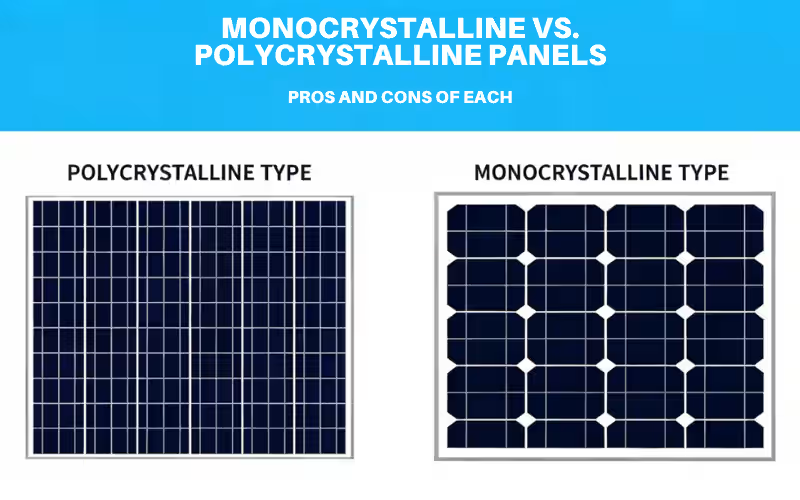
While many materials capture solar energy, monocrystalline panels go all the way in terms of purity, getting their power from a single, continuous silicon crystal structure. Sometimes referred to as mono panels, they are easily identifiable by their sleek, uniform black appearance and rounded edges. The main advantage of a monocrystalline panel is its incredibly high efficiency rate, meaning it generates more electricity per square foot than its counterparts. Because they are cut from pure silicon ingots, electrons have more room to flow, which drastically improves their performance even in low-light conditions or overcast weather. In almost all cases, they also boast a longer lifespan, often lasting well over 25 years with minimal degradation. This makes them highly attractive for homeowners with limited roof space who want to maximize their energy output, giving off a premium vibe while delivering reliable, top-tier power generation for decades to come.
That said, the complex manufacturing process required to create that single-crystal purity makes monocrystalline panels comparatively tough on your wallet. Shaping pure silicon ingots into wafers results in significant material waste during production, which directly drives up manufacturing costs. As a result, these panels command a premium price, making the initial installation investment noticeably higher for consumers. Furthermore, there’s the environmental impact of the panel’s production to consider, as the energy-intensive Czochralski process used to forge these crystals requires massive amounts of heat and electricity. While their long-term clean energy generation easily offsets this initial carbon footprint, the upfront environmental and financial costs remain a notable consideration. If you are working with a strict budget, the steep premium of monocrystalline panels might be a hurdle, despite their superior efficiency and sleek aesthetic appeal.
Polycrystalline Panels Explained
Polycrystalline panels are sometimes considered the best of both worlds when it comes to balancing performance and affordability. Instead of a single crystal, these panels are manufactured by melting multiple silicon fragments together and pouring the molten material into a square mold. This completely eliminates the material waste associated with mono panels, making them significantly cheaper and easier to produce. You can quickly spot polycrystalline panels by their distinct, mosaic-like blue hue and perfectly square edges. Because the manufacturing process is much faster and less resource-intensive, these panels are highly cost-effective, making them an excellent choice for large-scale solar installations or budget-conscious homeowners. If you have ample roof space or are outfitting a massive commercial property, polycrystalline panels allow you to generate substantial renewable energy while keeping your initial project costs manageable, providing a fantastic return on investment over their operational lifespan.
But the combination of multiple silicon fragments that melt together results in a slightly less efficient power-generation process. Because many crystals are squeezed into each cell, electrons have less freedom to move, which lowers the overall efficiency of polycrystalline panels compared to their monocrystalline rivals. To generate the same amount of electricity, you will need to install more poly panels, which requires significantly more roof or ground space. Additionally, they tend to have a bulkier appearance and suffer from reduced performance in high-temperature environments or low-light conditions, meaning they might not be ideal for hot desert climates or heavily shaded areas. While their environmental impact during manufacturing is comparatively lower due to the lack of silicon waste, their larger spatial requirements and distinct blue aesthetic might not appeal to buyers looking for the sleekest, most space-efficient solar solution available today.
Deciding Between Monocrystalline and Polycrystalline Panels
Polycrystalline panels are a great transitional option for those interested in renewable energy but operating on a tighter budget. When deciding between the two, you must carefully evaluate key factors like your total budget, available installation space, daily energy needs, and local climate conditions. If you live in an area with extreme heat or limited sunlight, or if your roof has very little usable square footage, the high efficiency of mono panels becomes crucial. Conversely, if space is virtually unlimited and keeping initial costs low is your primary goal, poly panels offer incredible flexibility and value.
When you’re ready to go solar, the expanding array of available panels offers efficiency-minded, cost-effective options to suit any project. We highly suggest monocrystalline panels for those prioritizing maximum efficiency, longevity, and a sleek, modern aesthetic. On the other hand, polycrystalline panels are the perfect choice for cost-conscious buyers or massive, large-scale commercial installations. Ultimately, the choice depends entirely on your individual needs and priorities. We encourage you to carefully consider your specific energy needs and consult trusted solar experts like Sigolight to design a tailored solar solution for your electrified future.