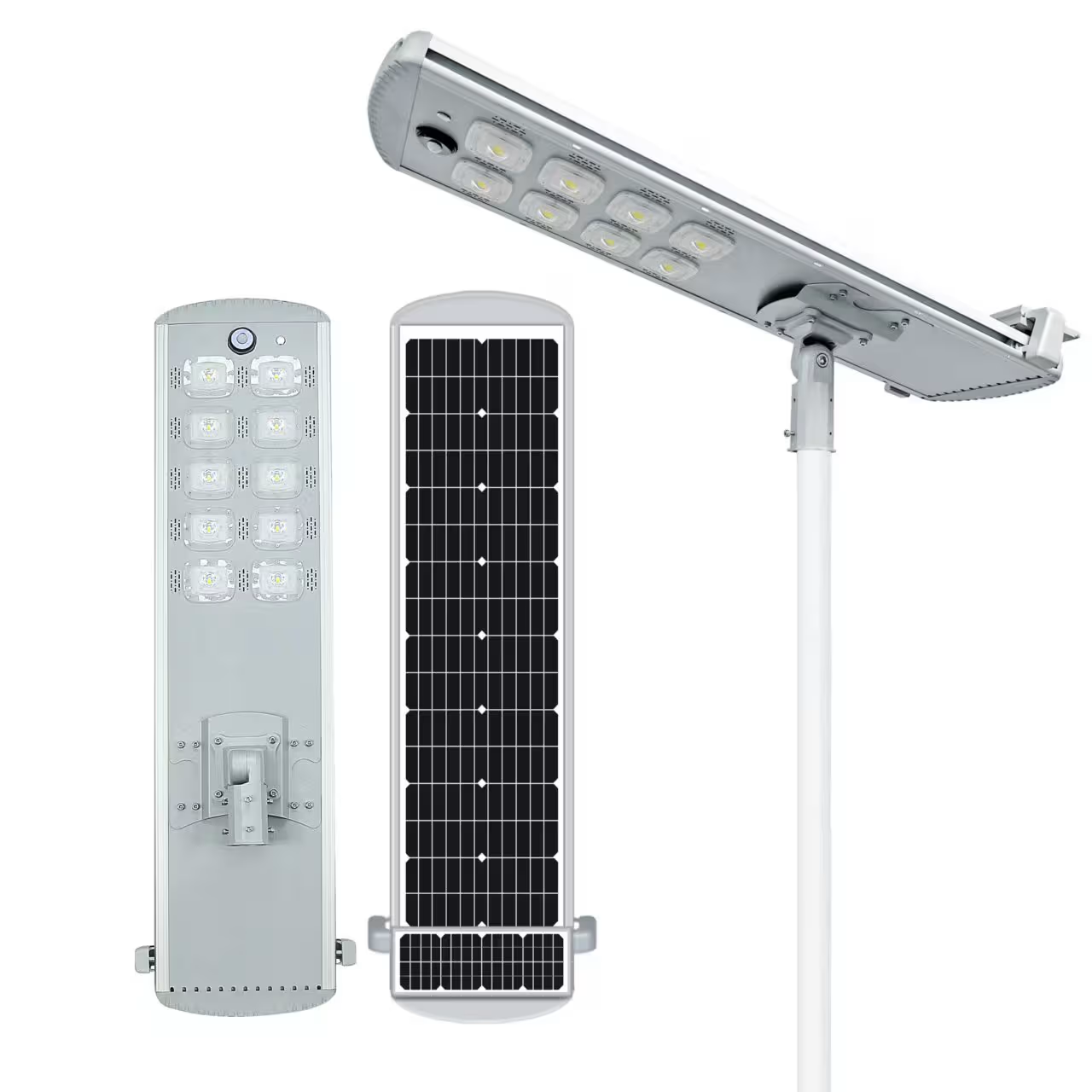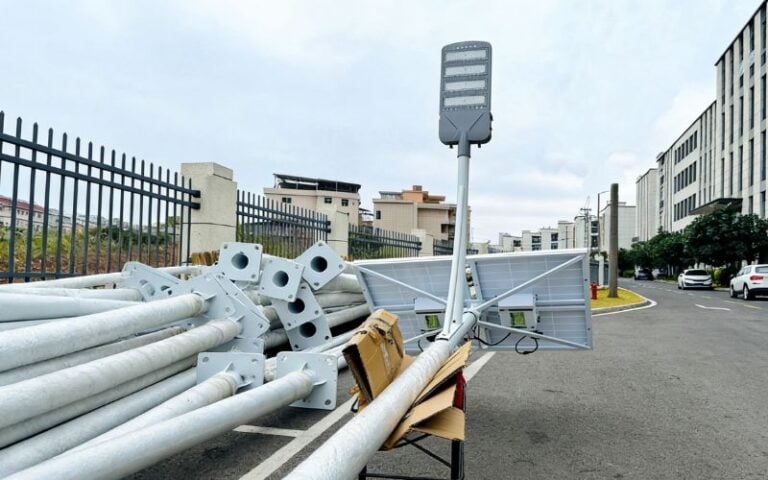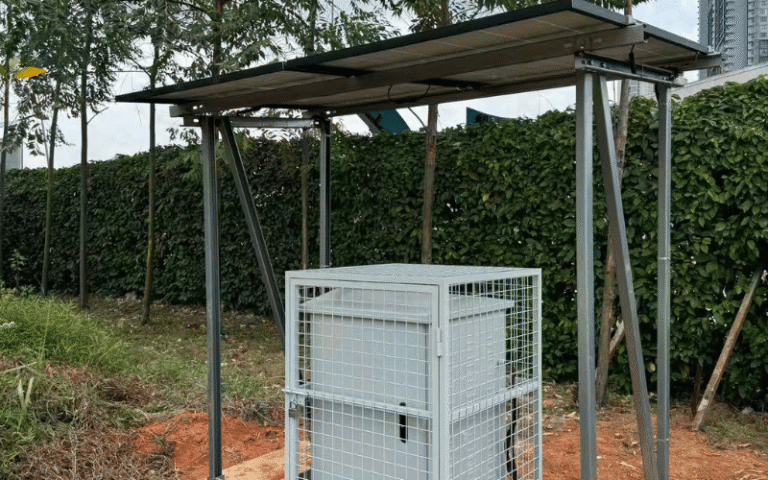

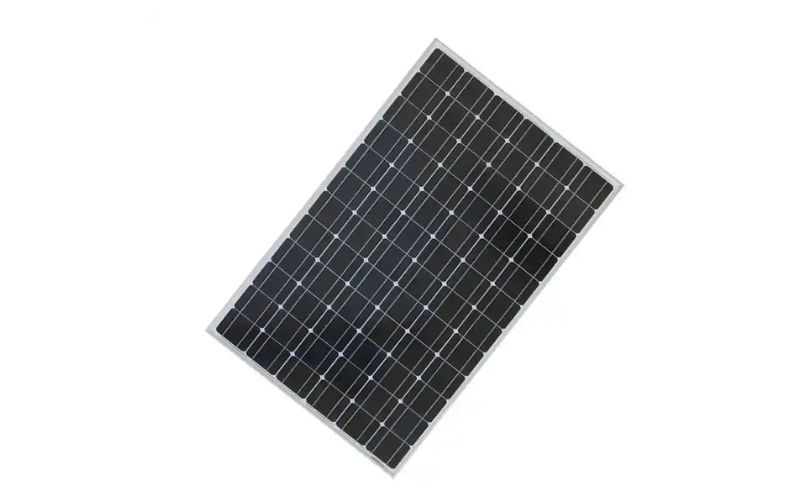
Most solar street lights come with a 10 to 25-year warranty for their solar panels. That said, like other long-term infrastructure, these panels are designed to last as long as the poles they are mounted on—often around 25 years or more—providing decades of reliable, clean energy.
As solar panels age, they gradually degrade in a process known as photovoltaic degradation. Typically, a panel is considered to have reached the end of its useful life for powering street lights when its energy output drops to approximately 80% of its original capacity. In practical terms, this means a panel that once generated 100 watts might now only produce 80 watts under the same sunlight conditions.
Even with this reduced output, these used solar panels still generate considerable amounts of energy. For this reason, several companies are already repurposing used solar panels for less demanding off-grid applications, such as powering remote sensors, small water pumps, or backup power systems. It is estimated that these repurposed panels could last an additional 10 to 15 years in such use cases.
Once a solar panel has lost a significant portion of its original energy capacity, it can be recycled into materials used to manufacture new panels. The efficiency of this recycling process continues to improve, and there is potential for an almost closed-loop system in the future, where glass, silicon, and aluminum from old panels are fully recovered and remanufactured.
The European Union has set ambitious targets for photovoltaic panel recycling. Similarly, the United States has implemented several policies to promote the recycling of end-of-life solar panels. As the solar industry continues to grow, more governments are likely to establish additional policies around reuse and repurposing to ensure the long-term sustainability of solar technology.