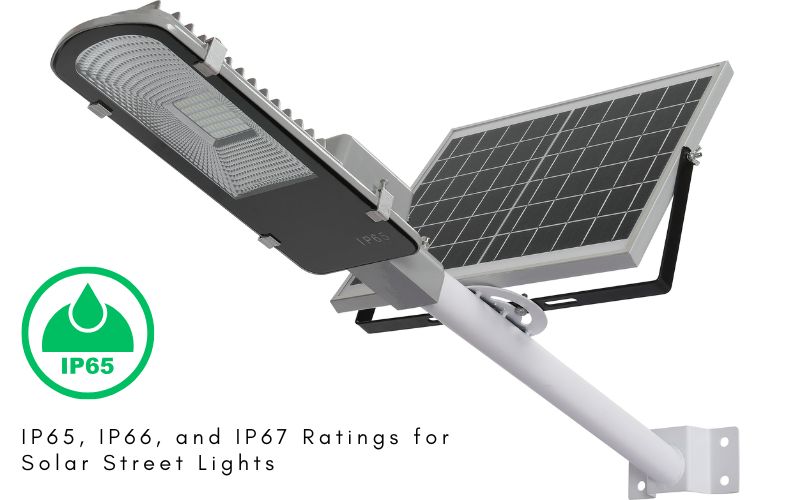
You have seen the term a thousand times. It is stamped on boxes, featured in product descriptions, and touted as the ultimate badge of honor for any piece of outdoor technology: “weatherproof.” It sounds reassuring. It sounds strong. But what does it actually mean? The word weatherproof is a vague marketing term, a hollow promise without a standardized testing process to back it up. A device that can survive a light mist and a device that can endure a torrential hurricane could both, under a loose definition, be called weatherproof. When you invest in public safety and infrastructure with outdoor solar street lights, you need absolute certainty. You need specifics. That certainty comes from a globally recognized standard known as the IP rating.
This guide will pull back the curtain on the marketing jargon surrounding outdoor lighting. We will explore the language of durability, decoding the critical differences between IP65, IP66, and IP67 ratings. Forget vague assurances and empty promises from manufacturers. After reading this, you will understand exactly what your solar street light can handle. You will be empowered to choose a lighting system that offers true, verifiable protection for your community’s investment, ensuring brilliant illumination regardless of the weather.
What Exactly is an IP Rating? Decoding the Standard
The IP rating, which stands for Ingress Protection or International Protection marking, is not a simple manufacturer’s claim. It is a rigorous testing standard established by the International Electrotechnical Commission (IEC). You can find the full technical standard detailed in the IEC 60529 documentation. This specific code provides a precise, universally understood classification system for the degree of protection that an electrical enclosure offers against the intrusion of foreign objects. For solar street lights, this primarily refers to keeping dust out of sensitive electronics and preventing water from destroying the battery and LED components.
An IP rating always consists of two digits, and each digit has a specific meaning. The first number in the rating, which ranges from 0 to 6, tells you how well the street light housing protects its sensitive internal electronics from solid objects. This categorization covers everything from a stray finger to microscopic particles of blowing dust. For any serious outdoor solar street light, you should only ever see one number in this position: 6. A rating of IP6X means the device is completely dust-tight, permitting zero ingress of dust. Dust is an absolute killer for solar components. Over time, fine particles work their way inside controllers and batteries, causing short circuits, overheating, and a massive reduction in the light’s overall lifespan. A ‘6’ is your guarantee of a completely sealed enclosure.
The second digit tells the real story of water protection, and it is the crucial variable for any outdoor solar street light. This number ranges from 0 to 9, indicating the level of protection the enclosure provides against moisture and water ingress. The higher the number, the more intense the water exposure the device can safely withstand. This specific digit is where the functional differences between seemingly similar outdoor lighting systems become starkly apparent.
A Deep Dive: IP65 vs. IP66 vs. IP67
Since we established that any credible outdoor solar street light will start with an IP6 designation, the real battle for durability happens with that second digit. Let us dissect the three most common weather protection ratings you will encounter when sourcing solar lighting.
IP65 Rated Solar Street Lights: Protection Against Water Jets
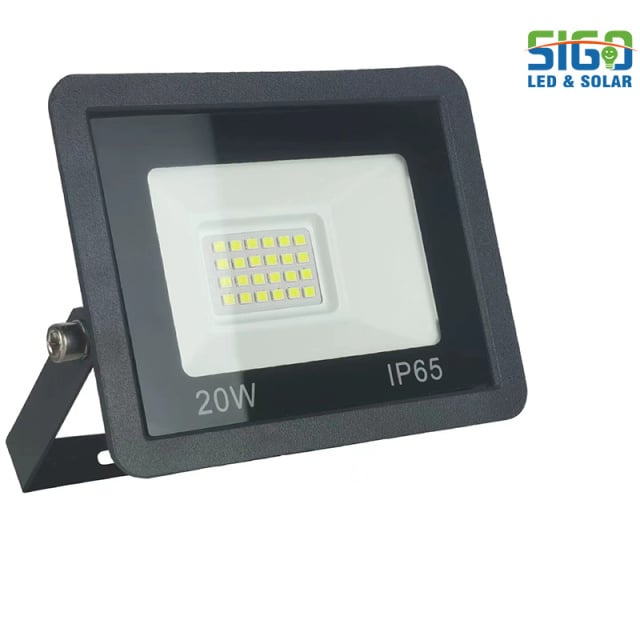
An IP65 rating signifies that the solar street light enclosure is protected against low-pressure water jets projected from a standardized nozzle (6.3mm) from any direction. In real-world terms, this translates to protection against standard rainfall, light sprinklers, or being gently washed off with a basic hose. The fixture can comfortably handle normal exposure to the elements, but it will fail under a severe, highly pressurized water onslaught.
An IP65 rating is perfectly adequate for many specific lighting situations. If your solar street light is installed in a partially sheltered location, such as under a large architectural overhang, a heavy tree canopy, or within a mild climate that rarely sees severe storms, an IP65 rating provides sufficient protection. It serves as a highly reliable, solid baseline for basic weatherproof solar lighting requirements.
IP66 Rated Solar Street Lights: Surviving Powerful Water Jets
Stepping up to an IP66 rating means the solar street light is fully protected against powerful water jets from a significantly larger nozzle (12.5mm) from any direction. Think much bigger regarding the weather conditions. We are now talking about driving rain during a heavy thunderstorm, intense winds whipping water sideways against the pole, or washing the light fixture with a high-pressure commercial hose. The pressure and volume of water an IP66 device can handle safely are significantly higher than an IP65 model.
This is the ideal rating for a truly exposed outdoor solar street light. If you need to mount a light on an open highway, a tall pole in a massive parking lot, or anywhere that it will bear the full, unfiltered brunt of a major storm, IP66 should be your absolute minimum standard. It offers a robust level of protection that ensures the lights stay fully functional during severe weather events, not just after the storm passes.
IP67 Rated Solar Street Lights: The Immersion Specialist
An IP67 rating indicates a monumental leap in environmental protection. A solar street light with this certification is completely protected against the effects of temporary immersion in water. The testing protocol requires the device to survive submersion in up to 1 meter of water for exactly 30 minutes. In a real-world scenario, this represents total submersion. Think of a massive storm surge, or a flash flood scenario where the entire area around the light pole might briefly sit underwater. An IP67-rated solar light will easily survive this extreme exposure.
For most standard municipal solar street light placements, which sit high on a 20-foot pole, IP67 is often considered overkill. However, it provides the ultimate peace of mind for specific applications. If you mount a solar light at a low level for pathway illumination, near a drainage ditch, or in a coastal area historically known for severe flooding and storm surges, the IP67 rating provides unparalleled protection against catastrophic water damage.
So, Which IP Rating Does Your Solar Street Light Actually Need?
Choosing the right IP rating requires matching the product directly to your specific environmental conditions. Let us consider a few common scenarios for installing solar street lights to help you determine the best fit for your next project.
If you are lighting a sheltered pedestrian pathway or a park pavilion, you have a fairly protected environment. You want to monitor and illuminate the main walking areas, but the light fixtures will be partially tucked under a structural roof or heavy tree line, shielded from direct, aggressive downpours. In this case, an IP65-rated solar street light will almost certainly provide the water and dust protection you need to maintain reliable illumination.
Conversely, your goal might be to watch over an exposed highway or a massive open parking lot. The solar street light will sit high on a pole with zero overhead cover. It will face aggressive wind, driving rain, and heavy snow directly. Here, an IP66-rated solar street light is the smart, reliable choice. This rating ensures the internal batteries and solar controllers withstand years of abuse from Mother Nature without succumbing to water intrusion.
Finally, consider a low-mounted pathway light or a fixture installed in a floodplain. If you place a solar light on a low fence post or near the ground in an area with notoriously poor drainage, stepping up to an IP67-rated device is a highly wise investment. This rating completely protects the expensive internal battery systems against the distinct possibility of standing water, deep snowdrifts, or unexpected flash flooding.
Beyond the IP Rating: Other Factors for Outdoor Durability
While the IP rating is the most important specification for water and dust protection, it is not the only factor you must consider. For a truly resilient outdoor solar street light, you need to evaluate several other structural components.
Check the street light’s specified operating temperature range. A solar light installed in the scorching deserts of Arizona needs a battery management system that can handle extreme heat without degrading. Conversely, a solar light illuminating a road in Minnesota must survive deep, prolonged freezes while still holding enough battery charge to keep the LEDs running through the long winter nights.
Pay close attention to the light fixture’s primary housing material. Solar street lights built with heavy-duty metal housings, most often extruded aluminum, are generally much more durable and highly resistant to physical impacts. Aluminum also resists long-term UV degradation far better than enclosures made entirely of cheap plastic, which tend to become brittle and crack after a few years in the sun.
Evaluate the lens quality covering the LED arrays. A high-quality tempered glass or UV-stabilized polycarbonate lens is much more resistant to scratching from windblown dirt and debris. These premium materials are also significantly less likely to fog up or turn yellow in changing humidity and sunlight, ensuring the light output remains bright and focused compared to a cheaper, untreated plastic lens.
Making an Empowered Choice for Your Solar Street Lights
The word “weatherproof” is merely a suggestion. An IP rating is a tested, verified certification. When you purchase an outdoor solar street light, your primary goal should be to invest in a robust device that you can install and then trust completely, regardless of the season. Do not let your community’s safety and security rely on a fair-weather friend that fails during the first major thunderstorm.
Look right past the flashy marketing terminology. Find the specific IP rating printed clearly on the technical specification sheet. Now that you intimately understand the difference between surviving a mild sprinkle (IP65), braving a violent storm (IP66), and enduring a localized flood (IP67), you can make a truly informed purchasing decision. You can acquire a solar street light not just with hope, but with the certified, undeniable confidence that it is built to last for years to come.