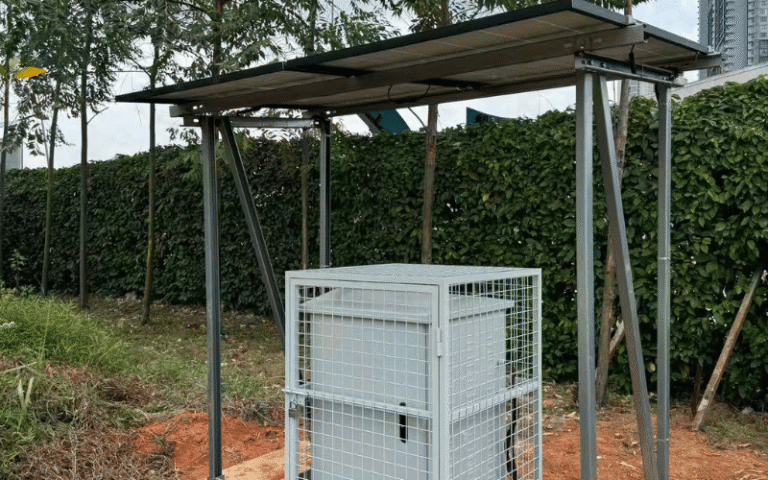


Transitioning urban infrastructure to renewable energy is a critical task, especially as cities face increasing energy demands. Traditional street lighting systems rely heavily on grid electricity, contributing to high energy consumption and costs. Solar-to-grid (S2G) integration offers a sustainable solution by enabling streetlights to not only consume solar energy but also contribute excess energy back to the grid.
According to energy studies, integrating solar-powered systems with the grid could significantly reduce strain on the power infrastructure while promoting the use of renewable energy. However, implementing such systems requires advanced technology and careful planning.
But what if streetlights could do more than illuminate? That’s precisely the idea behind solar-to-grid integration, a key component of creating energy-efficient, sustainable urban environments.
What Is Solar-to-Grid (S2G) Integration?
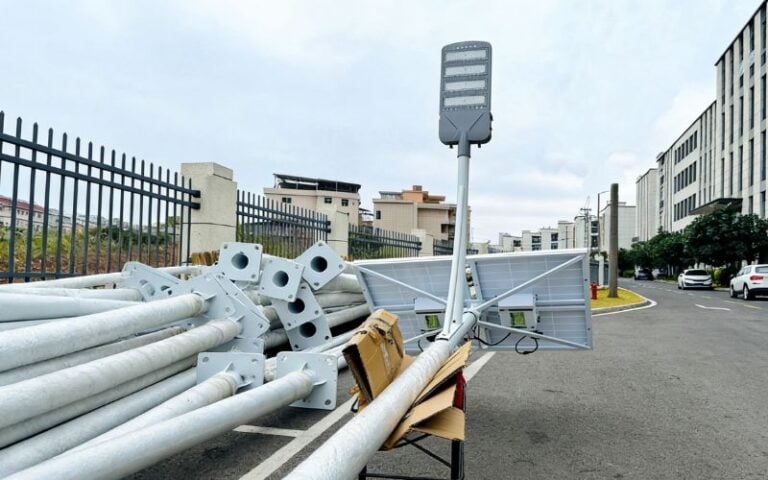
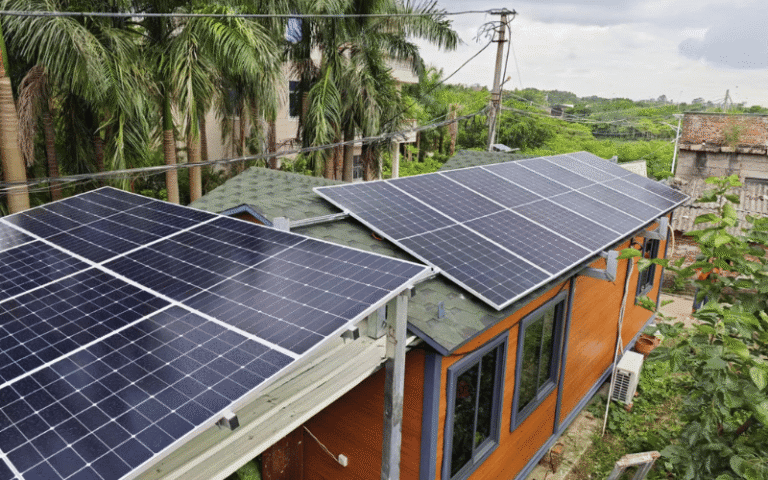
Solar-to-grid, or S2G, integration is an advanced energy solution that allows solar-powered streetlights to contribute excess energy back to the power grid. These streetlights use solar panels and batteries as backup energy storage for the electrical grid, in addition to powering the lights themselves.
An S2G setup relies on bidirectional energy systems to transfer energy to and from the grid in response to electricity demand at any given time. This technology is part of a broader initiative known as solar-grid integration. The surplus energy generated by solar streetlights can be used to power homes, businesses, and other grid-connected infrastructure, making it a key component of sustainable urban energy systems.
How Does Solar-to-Grid (S2G) Integration Work?
Although the concept of solar-to-grid (S2G) integration seems straightforward, implementing it requires a sophisticated combination of technology and infrastructure. Solar-powered streetlights must be equipped with advanced systems that communicate with the central grid to monitor and respond to energy demand in real time.
These systems rely on software rooted in existing energy management technologies, such as those used by power companies to encourage off-peak energy consumption. However, S2G technology goes a step further by not only monitoring energy demand but also transferring surplus solar energy from streetlights back to the grid when needed.
Research organizations and energy experts estimate that a single solar-powered streetlight with S2G capabilities can contribute enough energy to power small-scale infrastructure during peak demand periods. This makes S2G integration a vital component of creating more resilient and sustainable energy systems.
Why Is Solar-to-Grid (S2G) Integration Important?
There are many benefits to implementing solar-to-grid (S2G) integration, but let’s focus on the three most significant ones.
It Makes Power Distribution More Efficient
One of the biggest challenges with energy systems is managing the fluctuating demand throughout the day. Solar-to-grid integration helps address this issue by allowing streetlights to contribute surplus solar energy back to the grid during peak demand periods. This reduces the strain on the system and ensures a more balanced energy distribution.
For example, studies have shown that integrating solar energy into the grid can significantly reduce the gap between peak and off-peak energy usage, creating a more efficient and reliable power distribution model.
It Expands Capacity for Renewable Energy Storage
Renewable energy sources like solar are essential for a sustainable future, but their intermittent nature can pose challenges. Solar-to-grid integration maximizes the use of solar energy by storing excess power generated during the day and feeding it back into the grid when needed.
This expanded storage capacity ensures that valuable solar energy is not wasted, even during periods of high generation, and supports a more resilient energy infrastructure.
It Reduces Energy Costs and Price Volatility
All of the above benefits lead to another critical advantage: cost stability. By balancing energy supply and demand more effectively, solar-to-grid integration helps stabilize energy prices and reduce costs for municipalities and businesses.
For instance, cities that implement S2G systems can save significantly on energy expenses while also reducing their reliance on non-renewable energy sources. This creates a more predictable and sustainable financial model for urban energy management.
By improving power distribution, enhancing renewable energy storage, and reducing costs, solar-to-grid integration plays a vital role in building smarter, more sustainable cities.
Obstacles to Implementing Solar-to-Grid (S2G) Integration
Despite the numerous benefits of solar-to-grid (S2G) integration, significant challenges remain before these systems can be widely adopted.
High Initial Costs and Infrastructure Limitations
Most existing streetlight systems are not designed for bidirectional energy transfer, and retrofitting them for S2G integration requires substantial investment. The cost of installing advanced components, such as bidirectional inverters and energy storage systems, can be a major barrier for municipalities and businesses.
Lack of Standardized Regulations
There is currently no consistent regulatory framework for solar-to-grid integration. Policies and standards vary widely across regions, making it challenging to implement a unified approach. This lack of regulatory clarity creates uncertainty and slows down the adoption of S2G systems.
Limited Incentives for Adoption
Another challenge is the lack of clear incentives for municipalities and businesses to invest in S2G technology. Without financial support or subsidies, many stakeholders are hesitant to take on the high upfront costs, even though the long-term benefits are significant.
To successfully implement solar-to-grid integration, addressing these obstacles must be a top priority. By reducing costs, standardizing regulations, and providing incentives, cities can unlock the full potential of S2G systems and move toward a more sustainable energy future.
The Future of Solar-to-Grid (S2G) Integration
Solar-to-grid (S2G) integration is set to revolutionize urban energy systems, offering significant returns on investment for cities, businesses, and the environment. This technology represents the next step in sustainable energy management, combining renewable solar power with advanced grid integration to create smarter, more efficient cities.
A Key Driver of Renewable Energy Adoption
As cities and businesses increasingly prioritize sustainability, S2G integration will play a critical role in accelerating the transition to renewable energy. By enabling streetlights to contribute surplus solar energy back to the grid, this technology maximizes the use of renewable resources and reduces reliance on non-renewable energy sources.
Unlocking New Opportunities for Innovation
The future of S2G integration lies in its potential for innovation. With advancements in IoT (Internet of Things) and AI, S2G systems will become even more intelligent, capable of optimizing energy usage and adapting to real-time conditions. This opens up new possibilities for cities to implement customized energy solutions that meet their unique needs.
Partnering for a Sustainable Future
Companies like Sigostreetlight are leading the way in developing and deploying S2G integration solutions. By offering comprehensive and customizable options, they empower cities and businesses to scale their renewable energy infrastructure efficiently.
Contact Sigostreetlight today to learn how solar-to-grid integration can transform your city into a model of sustainability and innovation!