
Can you connect solar panels directly to a battery? The short answer is yes, but it’s not recommended. Doing so can lead to serious risks like overcharging, overheating, and even permanent battery damage. While the idea of a simple connection may sound appealing, it’s far from safe or efficient.
This is where charge controllers come into play. These essential devices regulate the energy flow from your solar panels to the battery, protecting it from damage and ensuring optimal performance. Skipping this step can compromise your entire solar setup.
In this article, we’ll break down the science, risks, and best practices for safely connecting solar panels to batteries. You’ll also learn why charge controllers are a must-have for any reliable solar system.
The Science of Solar and Battery Connections
Understanding how solar panels and batteries work together is the cornerstone of a safe and efficient solar setup. Let’s break it down to uncover the science behind these connections and why direct wiring often leads to problems.
How Solar Panels Work
Think of solar panels as tireless workers, converting sunlight into electricity throughout the day. However, their output isn’t consistent—it fluctuates based on sunlight intensity, weather conditions, and even the sun’s angle.
For example, a 12V panel might produce between 10V and 18V depending on conditions. These voltage and current fluctuations can be unpredictable. If left unmanaged, they can harm the battery by delivering too much or too little energy. This variability makes solar panels powerful yet unpredictable energy sources, requiring careful regulation to work harmoniously with batteries.
Battery Basics
Batteries are the heart of any solar system, storing energy for use when the sun isn’t shining. But they’re also particular about how they’re charged.
Each battery type—whether lead-acid, lithium-ion, or gel—has specific voltage requirements for safe charging. For instance, a 12V lead-acid battery typically needs a charging voltage between 13.8V and 14.4V, depending on the stage of charge.
Batteries charge in three key stages:
- Bulk Stage: The battery charges rapidly, absorbing as much current as the solar panel can provide.
- Absorption Stage: Charging slows as the battery nears full capacity, preventing overcharging.
- Float Stage: The battery maintains a full charge with a low, steady current.
Skipping or mismanaging these stages can shorten the battery’s lifespan or even cause permanent damage.
Why Direct Connections Often Fail
Connecting a solar panel directly to a battery might seem like a simple shortcut, but it’s a risky move that often backfires.
Solar panels don’t naturally match a battery’s voltage requirements. For example, a panel producing 18V can easily overcharge a 12V battery, leading to overheating and damage. On the other hand, low sunlight might result in insufficient voltage, leaving the battery undercharged and unable to perform.
Overcharging can cause batteries to overheat, swell, or even leak, while undercharging leads to sulfation in lead-acid batteries, reducing their capacity over time. Both scenarios shorten the battery’s lifespan and compromise the system’s reliability.
Without proper regulation, direct connections turn your solar setup into a ticking time bomb for your battery.
By understanding how solar panels and batteries operate—and why they need a mediator like a charge controller—you can avoid common pitfalls and build a system that’s both safe and efficient.
The Risks of Connecting Solar Panels Directly to Batteries
Connecting solar panels directly to a battery might seem like a quick and easy solution, but it’s a risky shortcut that can lead to serious problems. Let’s break down the dangers and why proper regulation is critical for a safe and efficient solar setup.
How Direct Connections Damage Batteries
Batteries are the lifeblood of your solar system, but they’re also delicate and require careful handling—especially when it comes to charging. Direct connections often ignore the specific needs of the battery, leading to significant damage over time.
- Overcharging: When a solar panel delivers more voltage than the battery can handle, overcharging occurs. This is particularly harmful to lead-acid batteries, causing excessive heat, gassing, and even electrolyte loss. Over time, this reduces the battery’s lifespan and can lead to permanent damage.
- Undercharging: On the other hand, insufficient voltage from the solar panel can leave the battery undercharged. For lead-acid batteries, this results in sulfation—a buildup of lead sulfate crystals on the battery plates. Sulfation reduces the battery’s capacity and makes it less efficient at holding a charge.
Without proper regulation, your battery becomes a victim of inconsistent and damaging energy flow, shortening its lifespan and reducing its performance.
The Safety Hazards of Direct Connections
Beyond damaging your battery, direct connections pose serious safety risks that can jeopardize your entire solar system—and even your personal safety.
- Fire Risks: Overcharging generates heat, which can cause wires to overheat or batteries to swell. In extreme cases, this can lead to fires, especially in enclosed or poorly ventilated spaces.
- Electrical Dangers: Uncontrolled current flow can result in short circuits, sparking, or even electrical shocks. Additionally, without polarity protection, reversing the connections can cause immediate damage to both the battery and the solar panel.
These hazards highlight the importance of using proper equipment to manage energy flow and protect your system from dangerous failures.
Why Lithium-Ion Batteries Require Extra Care
Lithium-ion batteries are a popular choice for solar systems due to their efficiency and long lifespan. However, they are far less forgiving than lead-acid batteries when it comes to improper charging.
- Strict Voltage Monitoring: Lithium-ion batteries demand precise voltage regulation to prevent overcharging or undercharging. Even a slight deviation can lead to thermal runaway—a dangerous condition where the battery overheats uncontrollably, potentially causing fires or explosions.
- Built-In Protection Isn’t Enough: Many lithium-ion batteries come with built-in Battery Management Systems (BMS) to monitor and regulate voltage. However, relying solely on the BMS without a charge controller adds unnecessary strain to the system and increases the risk of failure.
Lithium-ion batteries require careful attention and proper equipment to ensure safe and efficient operation.
Why a Charge Controller is Non-Negotiable
By understanding these risks, it’s clear that direct solar panel-to-battery connections are not worth the potential damage and hazards they pose. A charge controller acts as the essential middleman, regulating energy flow to protect your battery and ensure your solar system operates safely and efficiently.
Building a Safe and Efficient Solar Battery System
Creating a reliable solar battery system requires more than just connecting components. Each piece of equipment plays a vital role in ensuring safety, efficiency, and long-term performance. Let’s explore the essentials you need to get it right.
Charge Controllers: The System’s Gatekeeper
Charge controllers are the unsung heroes of any solar setup. They regulate the voltage and current flowing from the solar panels to the battery, protecting it from overcharging and other risks. Solar panels often produce higher voltages than batteries can handle, especially during peak sunlight. A charge controller steps in to reduce this voltage to a safe level, ensuring the battery charges efficiently without overheating.
When choosing a charge controller, you’ll encounter two main types: MPPT (Maximum Power Point Tracking) and PWM (Pulse Width Modulation). MPPT controllers are ideal for larger systems, as they optimize energy harvest by adjusting the panel’s operating point to match the battery’s needs. They’re especially effective in low-light conditions or when using high-voltage panels. On the other hand, PWM controllers are simpler and more affordable, making them a good choice for smaller, budget-friendly setups. If efficiency and performance are your priorities, MPPT is the way to go. For basic systems, PWM can get the job done.
Choosing the Right Battery for Your Needs
Your battery is the backbone of your solar system, and selecting the right type is crucial. Deep-cycle lead-acid batteries, such as AGM (Absorbent Glass Mat) and Gel batteries, are popular for their reliability and affordability. AGM batteries are sealed and maintenance-free, making them a practical choice for moderate climates. Gel batteries, while similar, handle deep discharges better, making them ideal for consistent, long-term use.
For those seeking top-tier performance, lithium iron phosphate (LiFePO4) batteries are the gold standard. They offer a longer lifespan, higher efficiency, and lighter weight compared to lead-acid options. While their upfront cost is higher, their durability and performance make them a wise investment for long-term solar setups. When choosing a battery, consider your energy needs, budget, and the environmental conditions in which your system will operate.
Wiring and Safety: The Unsung Heroes
Proper wiring and safety devices are essential for a reliable solar system. The wire gauge you choose determines how much current can safely flow through the system. Undersized wires can overheat and cause energy loss, so it’s essential to match the wire size to your system’s current and distance requirements. For example, a 10-gauge wire might work for short runs, but longer distances may require 8-gauge or thicker wires.
Safety devices like circuit breakers and fuses act as protective barriers, cutting off current in the event of overloads or short circuits. Place these devices between the solar panel, charge controller, and battery to safeguard each component. Grounding your system is equally important—it prevents electrical shocks and protects against lightning strikes. Use a grounding rod and connect it to your system’s negative terminal or designated grounding point for added security.
Installation and Best Practices
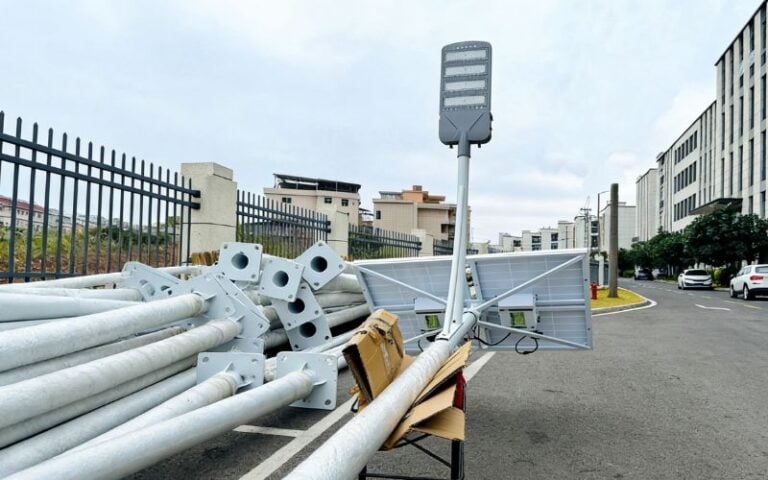
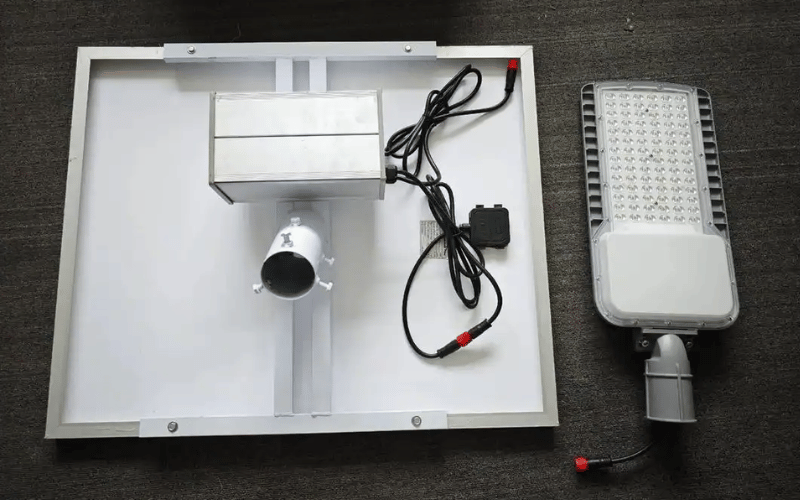
Installing a solar system for street lighting requires careful planning and execution to ensure it operates efficiently and safely. From calculating your system’s needs to maintaining it over time, every step plays a critical role in its performance. Let’s break it down into actionable steps.
Calculating System Needs
Before installation, you need to determine the right components for your system. This ensures your solar panels, batteries, and other equipment work together seamlessly.
- Match Panel Voltage and Wattage to Battery Capacity: Ensure your solar panel’s voltage matches your battery’s requirements. For example, a 12V battery pairs best with a 12V solar panel. Next, calculate the wattage needed to charge the battery efficiently. A 100Ah battery, for instance, would require a solar panel capable of producing at least 120-150 watts to charge fully in a day.
- Determine Daily Energy Usage: Calculate the daily energy consumption of your solar street light. For example, if your light uses 30 watts and runs for 10 hours, it will need 300 watt-hours (Wh) per day. Use this figure to size your solar array and battery bank accordingly.
Proper calculations prevent underpowered systems and ensure your setup meets your energy demands.
Step-by-Step Installation
Once you’ve sized your system, it’s time to install it. Follow these steps to ensure a safe and efficient setup.
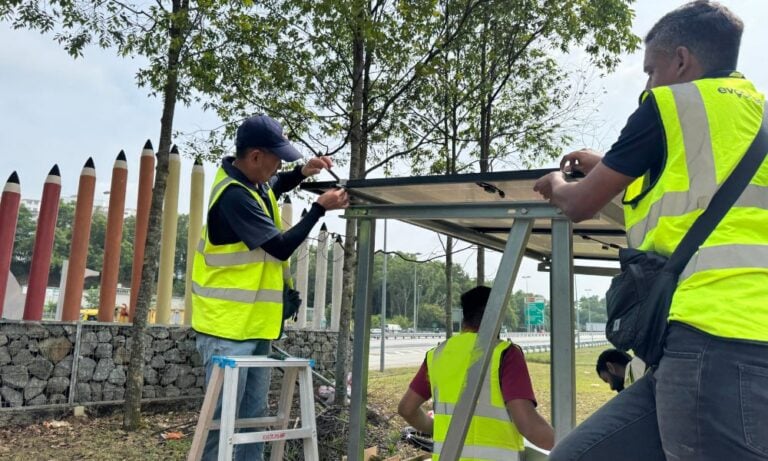
- Mount Solar Panels Securely: Position your solar panels in a location with maximum sunlight exposure, ideally facing south (in the northern hemisphere) or north (in the southern hemisphere). Use sturdy mounting brackets to secure the panels and ensure they can withstand wind and weather.
- Wire Panels in Series or Parallel: Decide whether to wire your panels in series or parallel based on your system’s voltage and current requirements. Wiring in series increases voltage, while wiring in parallel increases current. For example, if you’re using a 24V system, wiring two 12V panels in series will achieve the required voltage.
- Connect Panels to the Charge Controller and Battery Bank: Use the correct wire gauge to connect the solar panels to the charge controller. From there, connect the charge controller to the battery bank, ensuring all connections are secure and polarity is correct. A loose or reversed connection can damage your system.
Taking the time to install your system correctly ensures it operates safely and efficiently from day one.
System Monitoring and Maintenance
Even the best solar systems require regular monitoring and maintenance to perform at their peak.
- Check Voltage and Current Readings: Use a multimeter or the charge controller’s display to monitor voltage and current levels. This helps you identify any irregularities, such as undercharging or overcharging, before they become serious issues.
- Inspect Wiring and Terminals: Regularly check all wiring and terminals for wear, corrosion, or loose connections. Replace damaged wires immediately to prevent energy loss or safety hazards.
- Perform Routine Battery Health Checks: For lead-acid batteries, check electrolyte levels and top them up with distilled water if needed. For lithium-ion batteries, monitor their state of charge and ensure they remain within the recommended voltage range.
Consistent monitoring and maintenance extend your system’s lifespan and keep it running smoothly.
Frequently Asked Questions
What happens if I connect a small solar panel directly to a car battery?
Connecting a small solar panel directly to a car battery can lead to overcharging if the panel produces more voltage than the battery can handle. This can damage the battery and reduce its lifespan. Always use a charge controller to regulate the voltage and current.
Do I need a charge controller for a trickle charging setup?
Yes, even for trickle charging, a charge controller is recommended. It ensures the battery is not overcharged and maintains a steady, safe current flow, especially in long-term setups.
What is the difference between MPPT and PWM charge controllers?
- MPPT (Maximum Power Point Tracking): Optimizes the energy output of solar panels by adjusting their operating point, making it more efficient for larger systems or panels with higher voltages.
- PWM (Pulse Width Modulation): Simpler and more affordable, but less efficient than MPPT. Best for smaller systems with matched panel and battery voltages.
Can high-voltage solar panels directly charge a low-voltage battery bank?
No, high-voltage solar panels cannot safely charge a low-voltage battery bank without a charge controller. The voltage mismatch can lead to overcharging and damage the battery. An MPPT charge controller is essential in this scenario to step down the voltage safely.
Are there any exceptions where a direct solar connection is safe?
Direct connections may be safe in particular cases, such as using a small solar panel with a voltage output that exactly matches the battery’s requirements. However, this is rare and not recommended for long-term use due to the lack of regulation and protection.
Conclusion
Directly connecting solar panels to a battery might be possible, but the risks far outweigh the convenience. Overcharging, undercharging, and safety hazards can compromise your system and shorten its lifespan. To ensure safety, efficiency, and long-term performance, always use a charge controller and proper wiring. Don’t cut corners—invest in a complete, regulated solar panel kit to enjoy reliable and safe energy for years to come.