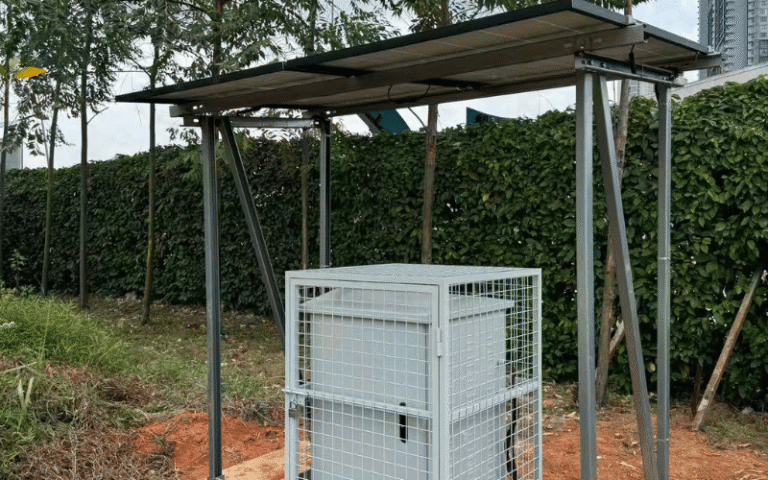

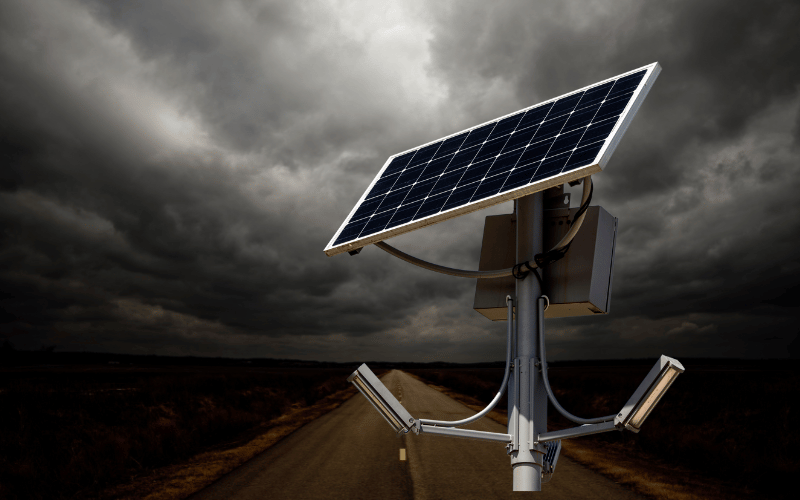
Solar lights are an eco-friendly and cost-effective solution, but many people wonder how well they perform on cloudy days. It’s a common concern, especially in areas with frequent overcast weather.
The good news is that solar lights don’t stop working when it’s cloudy. Solar panels can still capture sunlight, though at reduced efficiency. Understanding how this works and applying a few smart strategies can help you keep your lights running smoothly year-round.
This guide will break down how solar technology interacts with cloudy conditions, debunk common myths, and share simple tips to optimize performance. With the proper knowledge, you can ensure your solar lights stay reliable, no matter the weather.
How Solar Lights Work
Solar lights are more than just a panel and a bulb—they’re a smart, self-sustaining system designed to harness sunlight and turn it into reliable, energy-efficient illumination. To truly understand how they perform on cloudy days, let’s break down the key elements that make them tick.
At the core of every solar light is the photovoltaic (PV) cell, the real workhorse of the system. These cells don’t rely on heat to generate power; instead, they capture photons from the visible light spectrum and convert them into electricity. Even on overcast days, when sunlight is scattered and less intense, PV cells can still absorb enough light to produce energy. Think of them as tireless hunters, always seeking out light, whether it’s direct sunlight or diffused rays filtered through clouds.
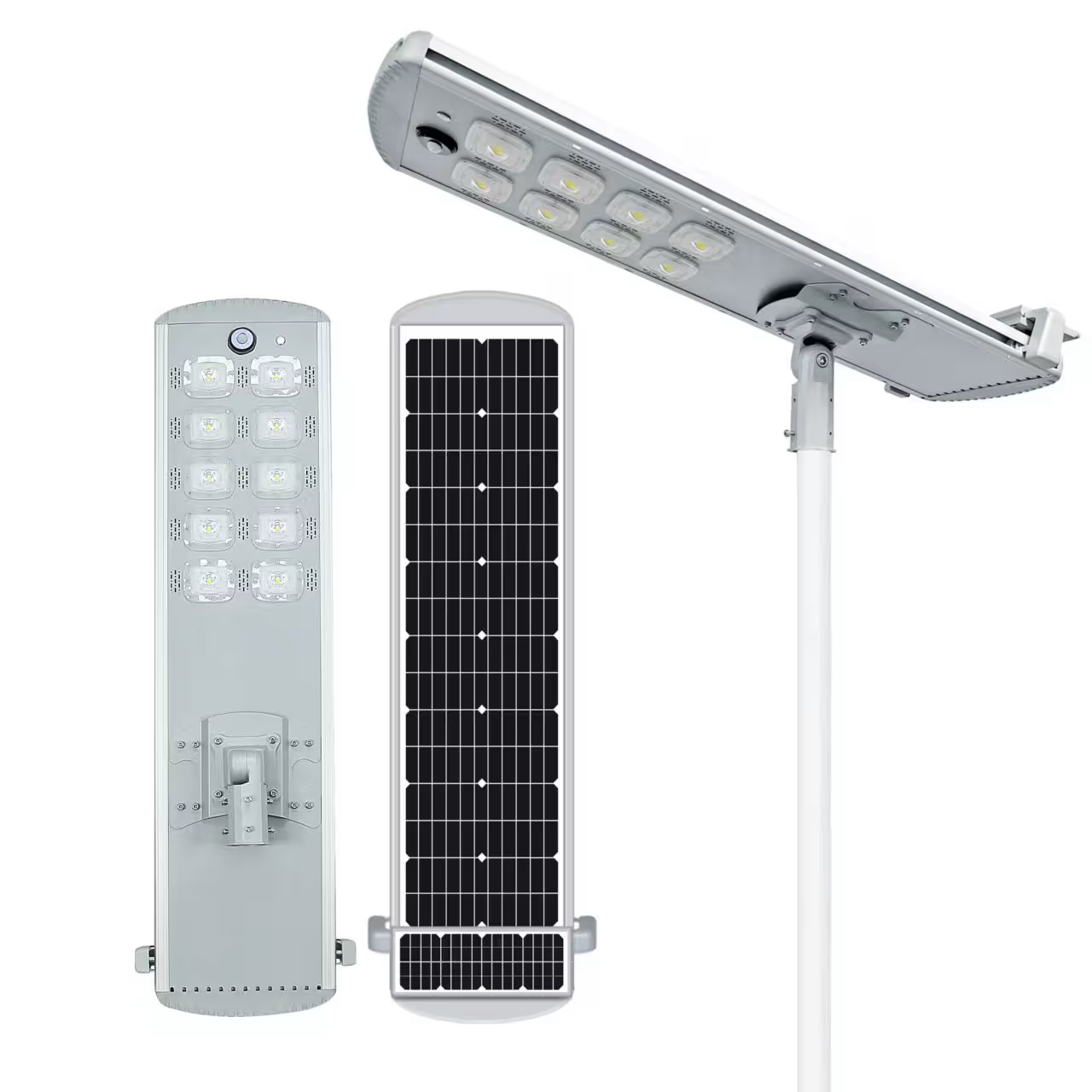
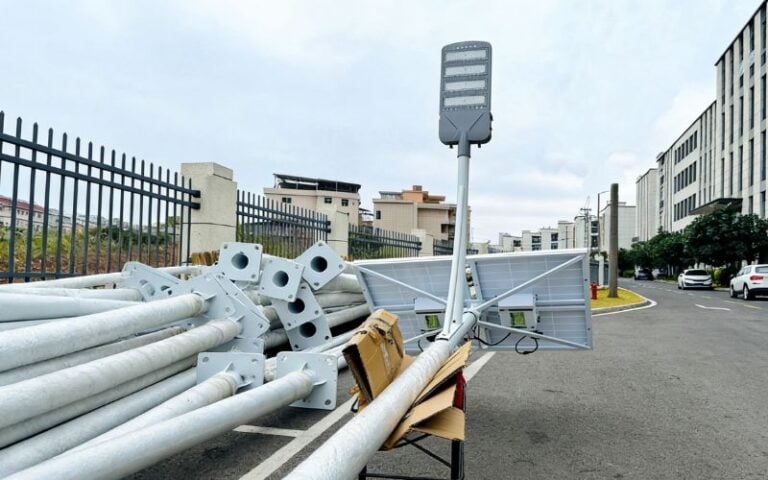
But PV cells don’t work alone. The solar panel acts as the “collector,” gathering sunlight and converting it into electricity. This energy is then stored in a rechargeable battery —the system’s “reservoir” — which ensures your lights stay powered through the night—even after a cloudy day. The LED bulb —the “star performer” — provides bright, energy-efficient illumination while consuming minimal power. Overseeing it all is the controller circuit, the “manager” of the system, which regulates the charging and discharging processes to prevent overcharging or rapid battery drain.
While direct sunlight is ideal for charging, modern solar lights are designed to adapt to varying light conditions. They can still charge using diffused light, which occurs when clouds scatter sunlight. Diffused light may not pack the same punch as direct sunlight, but it’s enough to keep your solar lights functional. This adaptability is what makes solar technology so dependable, even in less-than-perfect weather.
By understanding how these components work together, you can see why solar lights remain a reliable and sustainable lighting solution, rain or shine.
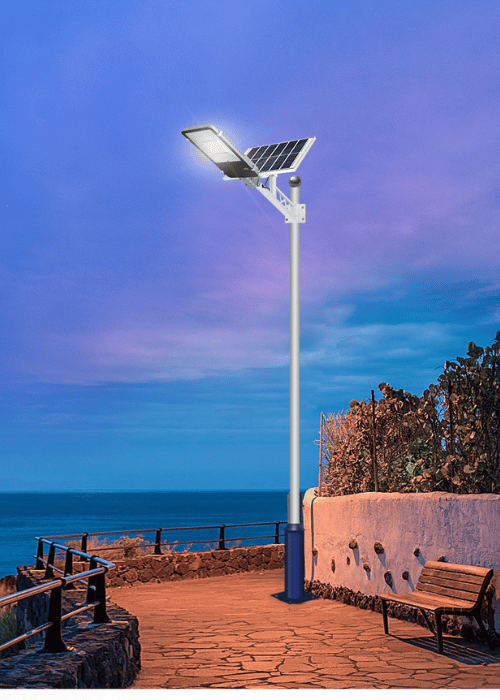
Charging Solar Lights in Overcast Conditions
Cloudy days often raise concerns about the performance of solar lights, but the truth is, they’re more adaptable than you might think. Solar lights don’t rely solely on direct sunlight; they can also harness diffused light, making them effective even when the sky is overcast. Let’s break down how this works and what you can expect in different weather conditions.
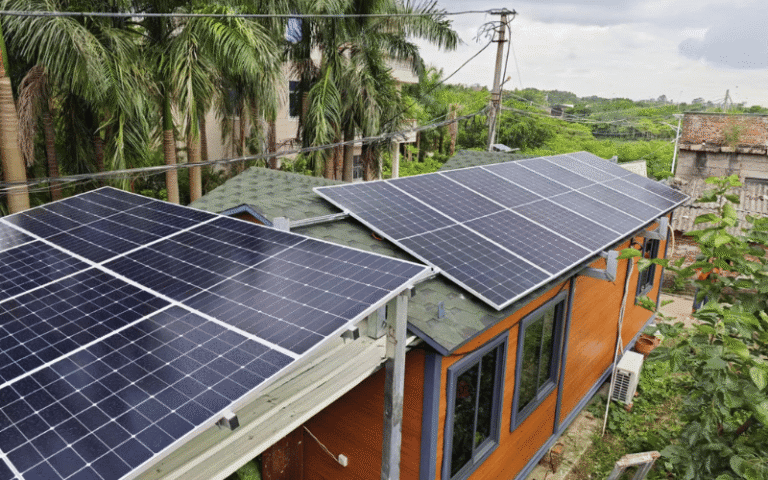
Solar panels are designed to capture light, not heat, by absorbing photons from the sun. On sunny days, direct sunlight provides the most energy, allowing solar lights to charge quickly and efficiently. However, when clouds scatter sunlight, the panels switch to capturing diffused light. While diffused light isn’t as strong, it still provides enough energy to keep your solar lights operational. Think of it as a dimmer switch—less intense, but still functional.
The type of cloud cover plays a significant role in how well your solar lights charge. Thin clouds allow a decent amount of sunlight to pass through, resulting in only a slight drop in charging efficiency. In these conditions, your lights may take a bit longer to charge, but will still perform reliably. On the other hand, thick clouds or fog act like a heavy curtain, blocking most of the sunlight. This significantly reduces charging efficiency and may require extended daylight hours to recharge the system fully.
To put this into perspective, solar panel power output can drop by 50-90% under heavy cloud cover. High-quality panels, such as monocrystalline ones, tend to perform better in low-light conditions, retaining up to 50% of their charging capacity. Lower-quality panels, however, might achieve only 10% efficiency under the same conditions. This is why investing in premium solar panels is crucial if you live in an area prone to frequent overcast weather.
By understanding how solar panels adapt to diffused light and the impact of varying cloud cover, you can set realistic expectations for your solar lights. With the right system in place, you can ensure reliable performance, even when the sun isn’t shining its brightest.
Optimizing Solar Light Performance
Solar lights are only as effective as the care and thought you put into their setup and maintenance. While they’re designed to be low-maintenance and adaptable, a few strategic adjustments can significantly improve their performance, especially on cloudy days. Let’s explore how placement, maintenance, and battery health can make all the difference.
Placement: Let the Light In
Where you place your solar lights can make or break their performance. Solar panels thrive on maximum exposure to ambient light, so positioning them correctly is crucial.
- Face the sun: In the Northern Hemisphere, ensure your solar panels face south to capture the most sunlight throughout the day. This simple adjustment can dramatically improve charging efficiency.
- Avoid shade: Keep your solar lights out of shaded areas caused by trees, buildings, or seasonal foliage. Even partial shading can reduce the panel’s power output.
- Think long-term: Consider how the environment changes over time. A tree that doesn’t block sunlight today might grow tall enough to cast shadows in a year or two. Plan placements with future obstructions in mind.
Maintenance: Keep Panels Clean and Functional
Even the best solar lights need a little upkeep to perform at their peak. Regular maintenance ensures your system stays efficient and reliable.
- Clean the panels: Dust, dirt, and debris can accumulate on solar panels, reducing their ability to absorb light. A quick wipe with a damp cloth every few weeks can keep them clear. In snowy climates, brush off snow to prevent blockages.
- Inspect for damage: Check the connections, housing, and wiring for wear and tear. Damaged components can disrupt the charging process and reduce overall performance.
- Test regularly: Periodically test your solar lights to ensure they’re charging and functioning as expected. Catching issues early can save you from bigger problems down the line.
Battery Health: The Heart of the System
The battery is the backbone of your solar light system, storing energy for nighttime use. Keeping it in good condition is essential for consistent performance.
- Replace aging batteries: Over time, batteries lose their capacity to hold a charge. If you notice your lights dimming or running out of power too quickly, it’s time for a replacement.
- Invest in quality: Choose high-capacity, durable batteries like NiMH or Lithium-ion. These options store more energy and last longer, ensuring your lights stay bright even after cloudy days.
- Avoid overcharging: While most modern solar lights have built-in controllers to prevent overcharging, it’s still a good idea to monitor battery performance and replace the controller if it malfunctions.
By focusing on proper placement, regular maintenance, and battery care, you can optimize your solar lights to perform reliably, even in less-than-ideal conditions. These small but impactful steps ensure your investment in solar lighting continues to pay off, rain or shine.
Choosing the Right Solar Lights
Selecting the right solar lights is not just about picking the brightest or most affordable option. It’s about understanding the specific needs of your location and ensuring the system can handle challenges like cloudy days. Let’s break down the key factors to consider when choosing solar lights that perform reliably, even in less-than-ideal conditions.
Panel Types: Efficiency Matters
The type of solar panel you choose plays a huge role in how well your lights perform, especially in low-light conditions.
- Monocrystalline panels: These are the most efficient. They excel at capturing sunlight, even on overcast days, making them ideal for regions with frequent cloud cover.
- Polycrystalline panels: While more affordable, these panels are less efficient in low-light conditions. They work well in areas with consistent, strong sunlight but may struggle on cloudy days.
If you live in a region with unpredictable weather, investing in monocrystalline panels is worth the extra cost. They’ll ensure your lights charge effectively, no matter the conditions.
Battery Capacity: Power That Lasts
The battery is the lifeline of your solar light system, storing energy for nighttime use. A high-capacity battery ensures your lights stay on longer, even on cloudy days.
- Look for high-capacity batteries: Battery capacity is measured in milliampere-hours (mAh). The higher the mAh, the more energy the battery can store. For example, a 4,000 mAh battery will last significantly longer than a 2,000 mAh one.
- Choose durable options: Lithium-ion and NiMH batteries are excellent choices for their longevity and ability to hold a charge. They’re instrumental in areas with inconsistent sunlight.
A good battery ensures your solar lights remain reliable, even during extended periods of overcast weather.
Energy Efficiency: Get the Most Out of Every Charge
Energy efficiency is critical for maximizing the performance of your solar lights, especially in cloudy regions.
- Efficient LED bulbs: LED bulbs consume far less energy than traditional bulbs while providing bright, consistent illumination. They’re a must-have for any solar lighting system.
- Energy-saving modes: Many modern solar lights feature dimming or motion-activated settings. These modes conserve energy by reducing power usage when full brightness isn’t needed.
By focusing on energy efficiency, you can extend the life of your batteries’ stored energy, ensuring your lights stay functional even on days with limited sunlight.
Features for Cloudy Regions: Built for Tough Conditions
If you live in an area with frequent overcast, look for solar lights designed to handle it.
- Year-round functionality: Some solar lights feature advanced settings to conserve energy during extended cloudy periods. These lights adjust their brightness or runtime to match the available energy.
- Weather-resistant designs: Ensure the lights are built to withstand harsh weather conditions, including rain, snow, and high humidity. Durable materials and sealed enclosures protect the system from damage.
Choosing the right solar lights means considering your environment and the specific challenges it presents. By focusing on panel efficiency, battery capacity, energy-saving features, and weather adaptability, you can ensure your solar lights perform reliably, even when the sun isn’t shining its brightest.
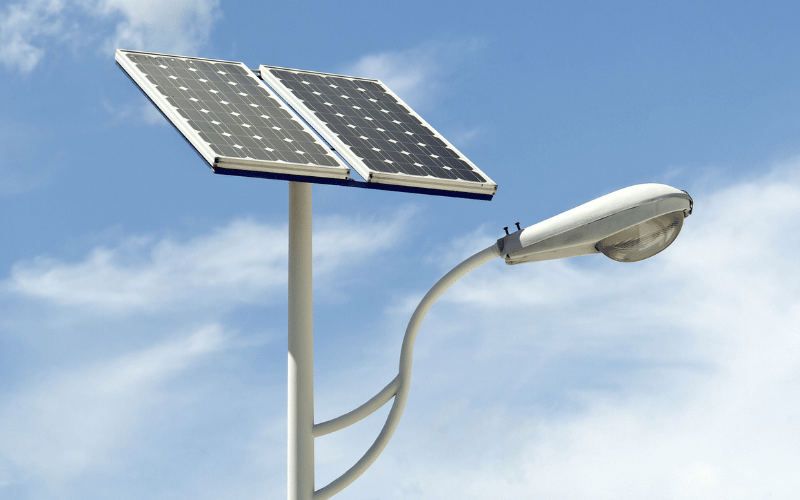
Addressing Common Misconceptions
Solar lights are often misunderstood, leading to doubts about their reliability in less-than-perfect conditions. Let’s clear up some of the most common myths and misconceptions about how solar lights charge, especially on cloudy days or during winter.
Myth: Solar Lights Only Charge in Direct Sunlight
One of the biggest misconceptions is that solar lights need direct sunlight to charge. While direct sunlight is ideal for maximum efficiency, it’s not the only source of energy for solar panels.
Solar panels are designed to capture light, not just sunlight. Even on overcast days, when the sky is blanketed with clouds, they can still absorb diffused light. Diffused light is sunlight that clouds and atmospheric particles have scattered. While it’s less intense than direct sunlight, it’s enough to keep your solar lights charging.
Think of solar panels as resourceful workers—they don’t stop just because conditions aren’t perfect. They adapt to what’s available and make the most of it.
Misconception: Charging Depends on Heat, Not Light
Another common misunderstanding is that solar lights rely on heat to generate electricity. This couldn’t be further from the truth.
Photovoltaic (PV) cells, the heart of every solar panel, convert light into electricity—not heat. They capture photons from the visible spectrum and convert them into power. In fact, extreme heat can sometimes reduce the efficiency of solar panels. What really matters is the light’s intensity, not its temperature.
So, whether it’s a crisp winter morning or a cloudy summer afternoon, as long as there’s light, your solar lights can charge.
Winter Concerns: Shorter Days and Weak Light
Winter often raises concerns about the performance of solar lights. Shorter daylight hours and weaker light intensity can indeed reduce charging efficiency, but they don’t stop the process entirely.
During winter, the sun sits lower in the sky, and the days are shorter. This means your solar panels have less time to capture light. However, modern solar lights are designed to adapt. High-quality panels and energy-efficient components, like LED bulbs and advanced batteries, help offset these challenges.
To maximize winter performance, ensure your solar panels are clean and free of snow or debris. Position them to capture as much sunlight as possible during the limited daylight hours.
By addressing these misconceptions, you can better understand how solar lights work and trust their performance, even in cloudy or wintery conditions. Solar technology is more resilient than many realize, making it a reliable choice for year-round sustainable lighting.
Broader Benefits of Solar Lights
Solar lights are more than just a practical solution for outdoor lighting—they’re a smart investment with far-reaching benefits. From sustainability to cost savings and reliability, these systems offer advantages that go beyond their ability to charge on cloudy days. Let’s explore why solar lights are a game-changer for individuals and communities alike.
Sustainability: Lighting the Way to a Greener Future
Solar lights are champions of sustainability. By harnessing solar power, they reduce reliance on grid electricity, which is often generated from fossil fuels. This shift not only lowers carbon emissions but also promotes the use of renewable energy.
Every solar light you install is a step toward a cleaner planet. Think of them as silent environmental advocates, working tirelessly to reduce your carbon footprint while providing reliable illumination. Whether you’re lighting a street, a park, or your backyard, solar lights make a meaningful contribution to global sustainability goals.
Cost Savings: A Smart Financial Choice
While the upfront cost of solar lights may seem higher than traditional lighting, the long-term savings are undeniable.
- Energy bills: Since solar lights rely on free, renewable sunlight, you’ll see immediate savings on electricity costs. Over time, these savings add up, making solar lights a cost-effective choice.
- Maintenance: Modern solar lights are built to last, with durable components that require minimal upkeep. High-quality LED bulbs, long-lasting batteries, and weather-resistant designs mean fewer replacements and repairs.
By reducing both energy and maintenance costs, solar lights pay for themselves over time, making them a smart financial investment.
Reliability: Built to Perform in Any Weather
One of the most impressive features of modern solar lights is their reliability. Designed to adapt to diverse weather conditions, they provide consistent illumination, rain or shine.
- Cloudy days: As we’ve discussed, solar lights can charge using diffused light, ensuring they remain functional even when the sun isn’t shining brightly.
- Extreme weather: High-quality solar lights are built to withstand harsh conditions, including heavy rain, snow, and high winds. Their durable construction ensures they keep working when you need them most.
Think of solar lights as dependable partners—they’re always ready to perform, no matter the challenges. This reliability makes them an excellent choice for areas where consistent lighting is critical, such as streets, pathways, and public spaces.
By combining sustainability, cost savings, and reliability, solar lights offer a comprehensive solution that benefits both the environment and your wallet. They’re not just lights; they’re a forward-thinking investment in a brighter, greener future.
Frequently Asked Questions (FAQs)
Q: How long does it take for solar lights to charge on a cloudy day?
A: Solar lights may take 2-3 times longer to charge on a cloudy day compared to a sunny day. The charging time depends on the thickness of the cloud cover and the quality of the solar panel.
Q: Do solar lights stop charging when it rains?
A: No, solar lights can still charge during rain as long as there is some light available. However, heavy rain combined with thick clouds may significantly reduce charging efficiency.
Q: Can a low-quality solar light charge effectively in overcast weather?
A: Low-quality solar lights with inefficient panels and small batteries may struggle to charge in overcast conditions. Investing in high-quality lights with efficient panels is recommended for better performance.
Q: Should I bring my solar lights inside during long periods of bad weather?
A: It’s not necessary to bring solar lights inside unless they are not weatherproof. Ensure they are designed for outdoor use, and clean the panels after storms to maintain efficiency.
Q: What is the difference between monocrystalline and polycrystalline panels for cloudy areas?
A: Monocrystalline panels are more efficient in low-light conditions, making them better suited for cloudy regions. Polycrystalline panels are less efficient but are often more affordable.
Q: How can I optimize solar light performance in winter?
A: Place lights in areas with maximum sun exposure, clean panels regularly, and consider using lights with larger batteries or energy-saving modes to compensate for shorter daylight hours.
Conclusion
Solar lights provide a reliable, sustainable lighting solution even when the skies are overcast. Understanding how they work and applying best practices for placement, regular maintenance, and battery care ensures they perform at their best throughout the year. With advancements in modern solar technology, these lights have become a dependable choice for a wide range of environments and weather conditions.