

Choosing the right materials for solar lights is crucial. High-quality materials directly impact the performance, durability, and efficiency of your solar lighting system. They ensure your lights last longer, work better, and save you money in the long run.
Durability matters because solar lights face constant exposure to the elements. Rain, wind, and sunlight can wear down poor-quality materials quickly. Efficient materials, on the other hand, maximize energy conversion, giving you brighter lights with less energy waste.
This guide will walk you through the key factors to consider when selecting materials for solar lights. You’ll learn how to identify durable components, understand efficiency ratings, and make informed decisions that lead to long-term savings.
By the end, you’ll feel confident in choosing materials that enhance the performance and lifespan of your solar lights. Let’s get started!
Key Components and Their Ideal Materials
Every component in a solar street light system has a specific role, and the materials used directly impact its performance and lifespan. With years of experience in the solar lighting industry, I’ve seen how the right choices can lead to efficient, durable, and cost-effective systems. Let’s break it down into actionable details.
1. Solar Panels
Solar panels are the energy generators of your system. Their efficiency and durability determine how much power your street light can produce and for how long.
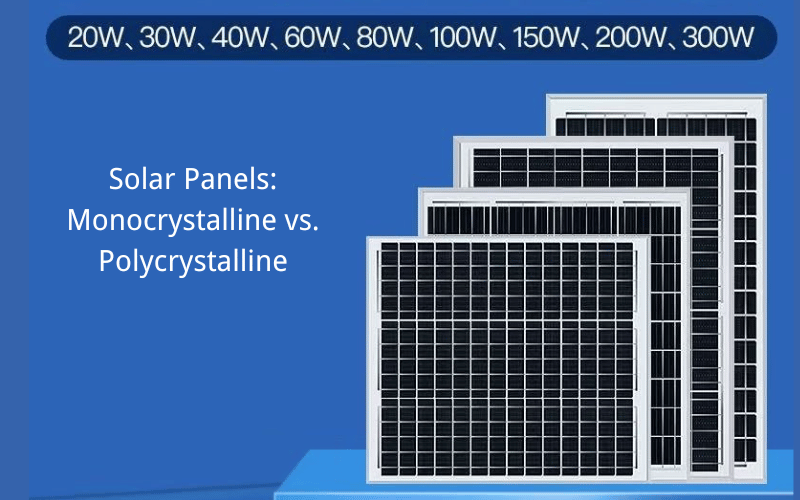
Monocrystalline vs. Polycrystalline: Which is Better?
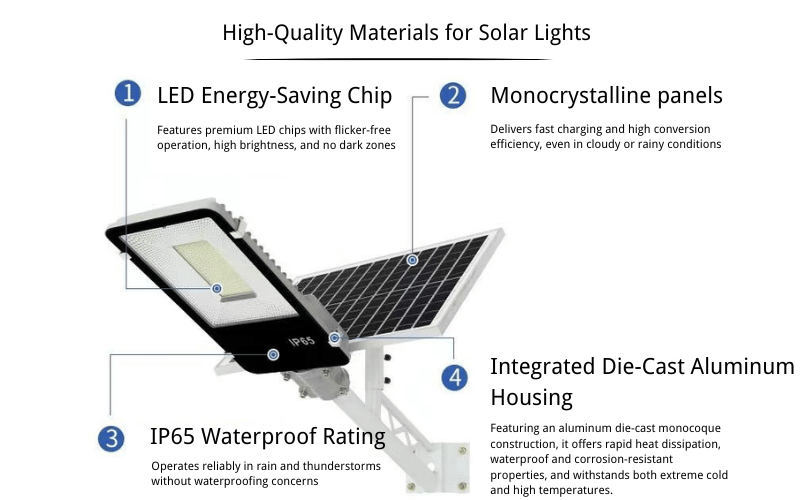
Monocrystalline panels are the top choice for solar street lights. Why? They offer efficiency rates of 20–22%, meaning they convert more sunlight into electricity compared to polycrystalline panels, which average around 15–17%. This higher efficiency is critical for street lights, where panel size is often limited.
For example, a 100W monocrystalline panel can generate the same power as a 120W polycrystalline panel, saving space and reducing weight. Additionally, monocrystalline panels perform better in low-light conditions, such as cloudy days or early mornings, ensuring consistent energy production.
Importance of Tempered Glass and Encapsulation
Tempered glass is not just a protective layer—it’s a necessity. It resists impacts from hail, debris, and even minor vandalism. Look for panels with anti-reflective tempered glass, which increases light absorption by up to 5%.
Encapsulation, typically made of EVA (ethylene vinyl acetate), seals the solar cells and prevents moisture or air from degrading them. Without proper encapsulation, even the best solar cells can fail within months.
2. Batteries
The battery is the energy reservoir of your system, storing power for nighttime use. The quality of the street light determines how long it can operate without sunlight.
Why LiFePO4 Batteries Are the Top Choice
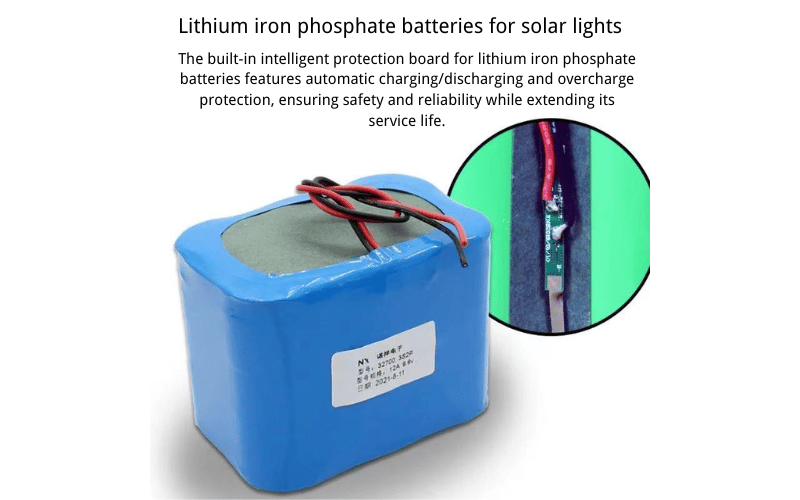
Lithium iron phosphate (LiFePO4) batteries are the industry standard for solar street lights. They last 5–7 years, with up to 3,000–5,000 charge cycles, compared to lead-acid batteries, which typically last 2–3 years.
LiFePO4 batteries are also safer. They have a built-in thermal stability that prevents overheating, even in high-temperature environments. For instance, in regions with temperatures exceeding 40°C (104°F), LiFePO4 batteries maintain performance, while lead-acid batteries degrade rapidly.
Comparison with NiMH and Lead-Acid Batteries
NiMH batteries are lightweight and eco-friendly, but lack the energy density needed for high-performance street lights. Lead-acid batteries, while cheap, are bulky, prone to sulfation, and require regular maintenance. For a reliable, maintenance-free system, LiFePO4 is the clear winner.
3. LEDs
LEDs are the visible output of your system, and their quality directly affects brightness and energy efficiency.
High-Efficacy LEDs for Better Performance
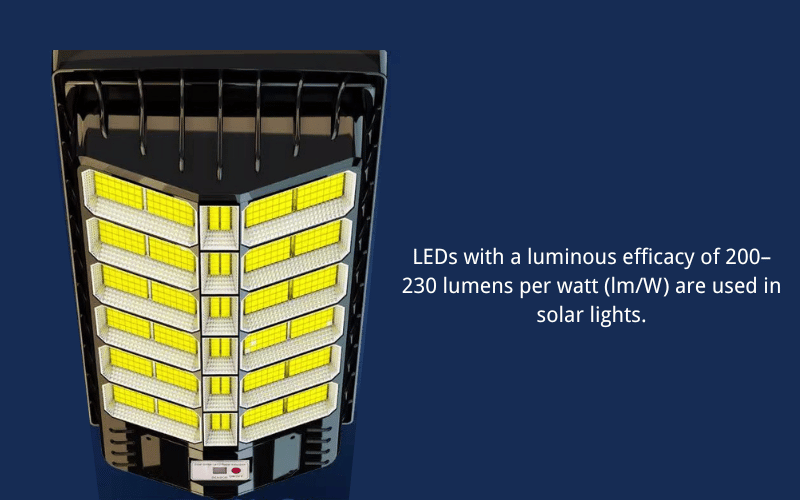
Choose LEDs with a luminous efficacy of 200–230 lumens per watt (lm/W). For example, a 50W LED with 200 lm/W produces 10,000 lumens, enough to illuminate a 10-meter-wide street. High-efficacy LEDs reduce energy consumption, allowing your system to run longer on the same battery capacity.
Role of Lenses and Reflectors
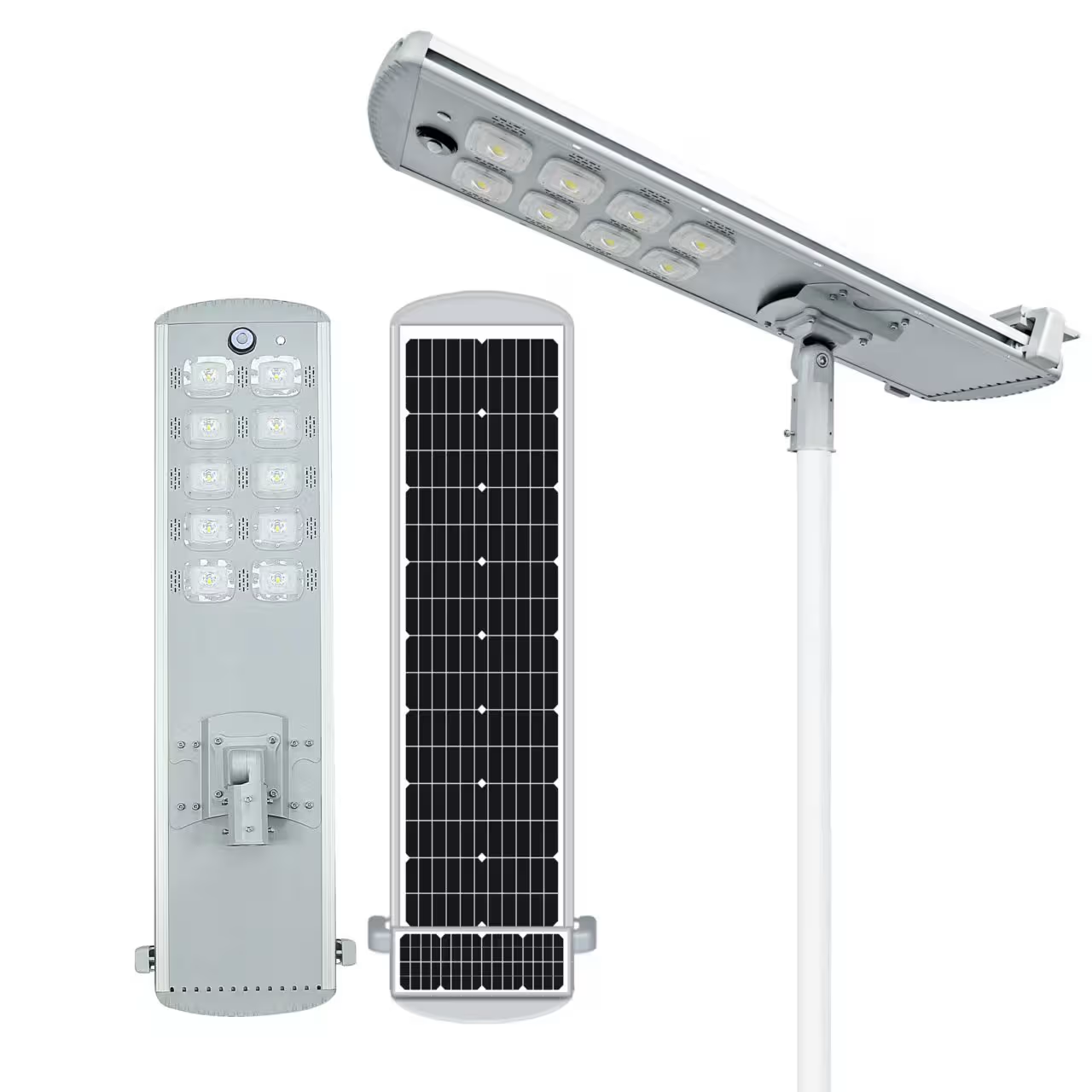
Lenses and reflectors are not just accessories—they’re performance enhancers. A well-designed lens focuses light into a specific pattern, such as a rectangular beam for streets, minimizing wastage. Reflectors amplify brightness by redirecting stray light, ensuring every lumen is utilized effectively.
For instance, a street light with a 120° lens can cover a wider area, reducing the number of lights needed for a project.
4. Controllers
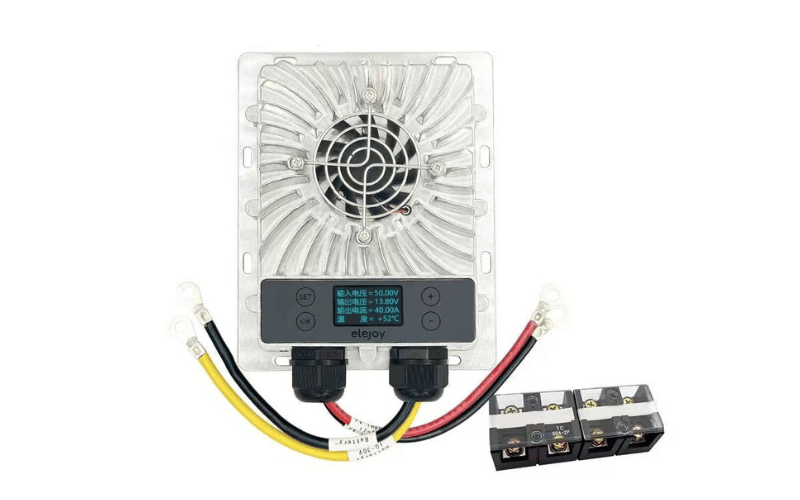
The controller is the system’s brain, managing energy flow and protecting components.
MPPT vs. PWM Controllers
Maximum Power Point Tracking (MPPT) controllers are 30% more efficient than Pulse Width Modulation (PWM) controllers. They adjust to the solar panel’s optimal voltage, extracting maximum energy even in low-light conditions.
For example, in cloudy weather, an MPPT controller can maintain 90% energy harvesting efficiency, while a PWM controller may drop to 70%. This difference is critical for areas with inconsistent sunlight.
Protecting Batteries and Optimizing Energy Use
A good controller prevents overcharging, which can damage batteries, and deep discharging, which shortens their lifespan. Look for controllers with built-in protections like overvoltage, short-circuit, and temperature regulation.
5. Housing
The housing protects all internal components from environmental factors. Its material and design are crucial for durability and performance.
Aluminum Alloy for Durability and Heat Dissipation
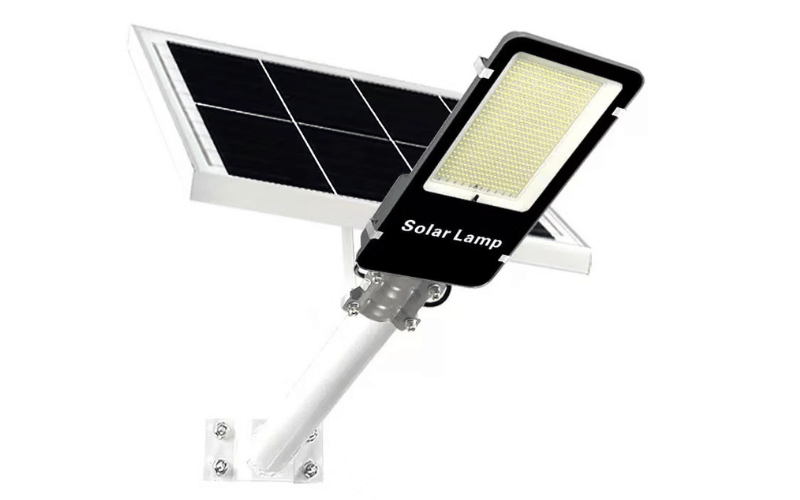
Aluminum alloy is the preferred material for solar street light housing. It’s lightweight, corrosion-resistant, and excellent at dissipating heat. Heat dissipation is critical for LEDs and batteries, as excessive heat can reduce their lifespan by up to 50%.
For example, in tropical climates, aluminum housing can keep internal temperatures 10–15°C cooler than plastic alternatives.
Weather Resistance and UV Protection
Choose housings with an IP65 or higher rating to ensure protection against dust and water. UV-resistant coatings are equally important, as prolonged sun exposure can cause materials to crack or fade.
By focusing on these specific materials and components, you can design or select a solar street light system that delivers maximum efficiency, durability, and value. Each choice, from monocrystalline panels to LiFePO4 batteries, contributes to a system that performs reliably for years, even in challenging environments.
| Component | Ideal Material/Specification | Key Benefits |
|---|---|---|
| Solar Panels | Monocrystalline panels (20–22% efficiency), tempered glass, EVA encapsulation | Higher energy conversion, durability against impacts, and protection from moisture and air exposure. |
| Batteries | LiFePO4 batteries (3,000–5,000 cycles, thermal stability) | Longer lifespan, safer operation, and better performance in high temperatures. |
| LEDs | High-efficacy LEDs (200–230 lm/W), quality lenses and reflectors | Brighter light, reduced energy consumption, and optimized light distribution. |
| Controllers | MPPT controllers with overvoltage, short-circuit, and temperature regulation protections | Improved energy harvesting, extended battery life, and reliable performance in varying conditions. |
| Housing | Aluminum alloy, IP65 or higher rating, UV-resistant coating | Corrosion resistance, effective heat dissipation, and protection against dust, water, and UV damage. |
Benefits of Using High-Quality Materials
The materials you select for solar lights are not just components—they are the foundation of performance, longevity, and sustainability. High-quality materials ensure your solar lights deliver reliable results, even in challenging conditions. Let’s explore the tangible benefits they bring to the table.
Performance: Consistent Brightness and Longer Runtime
High-quality materials directly impact how well your solar lights perform. For example, monocrystalline solar panels with tempered glass ensure maximum energy conversion, even on cloudy days. This means your lights stay bright throughout the night without dimming prematurely.
Similarly, using high-efficacy LEDs (200–230 lm/W) ensures consistent brightness while consuming less energy. Pair these with a LiFePO4 battery, and you’ll achieve longer runtimes, even during shorter winter days. These materials work together like a well-oiled machine, ensuring your lights perform reliably night after night.
Durability: Resistance to Harsh Weather and Wear
Solar lights face constant exposure to the elements—rain, wind, dust, and UV rays. High-quality materials are built to withstand these challenges. For instance, aluminum alloy housing resists corrosion and dissipates heat effectively, protecting internal components from damage.
Tempered glass on solar panels adds another layer of durability, shielding the cells from hail, debris, and impacts. Additionally, IP65-rated housings ensure your lights remain dustproof and waterproof, making them suitable for even the harshest environments.
Cost Savings: Reduced Maintenance and Replacement Costs
Investing in high-quality materials may seem expensive upfront, but it pays off in the long run. For example, LiFePO4 batteries last 3–5 times longer than lead-acid alternatives, reducing replacement costs significantly.
Durable materials like aluminum alloy and tempered glass also minimize maintenance needs. You won’t have to worry about frequent repairs or replacements due to wear and tear. Over time, these savings add up, making high-quality materials a cost-effective choice.
Eco-Friendliness: Longer-Lasting Components Reduce Waste
Sustainability is a key consideration in today’s world, and high-quality materials contribute to eco-friendliness. Longer-lasting components mean fewer replacements, which reduces waste and the environmental impact of manufacturing.
For instance, LiFePO4 batteries are not only long-lasting but also safer and more environmentally friendly than lead-acid batteries. Similarly, durable housings and panels reduce the need for frequent replacements, lowering the overall carbon footprint of your solar lighting system.
By choosing high-quality materials, you’re not just investing in better solar lights—you’re ensuring consistent performance, long-term savings, and a more sustainable future. Every component, from the solar panel to the housing, plays a role in delivering these benefits.
How to Choose the Right Materials for Your Needs
Selecting the right materials for solar lights isn’t a one-size-fits-all process. Your choices should align with the specific application, budget, and performance expectations. Let’s break this down into actionable steps to help you make informed decisions.
Matching Materials to Specific Applications
The purpose of your solar lights determines the materials you should prioritize. For residential use, where aesthetics and moderate performance are key, polycrystalline panels and mid-range LiFePO4 batteries may suffice. These options balance cost and functionality, making them ideal for garden paths or small driveways.
For commercial or industrial applications, durability and efficiency take center stage. Monocrystalline panels are a must, as they deliver higher energy output in limited spaces. Pair these with high-capacity LiFePO4 batteries to ensure reliable performance, even during extended cloudy periods. Additionally, opt for aluminum alloy housings with IP65 or higher ratings to withstand harsh weather conditions.
Balancing Cost and Quality for Long-Term Value
It’s tempting to cut costs by choosing cheaper materials, but this often leads to higher expenses in the long run. For example, lead-acid batteries may save you money upfront, but their short lifespan and frequent maintenance needs make them more expensive over time.
Instead, focus on materials that offer a balance of affordability and durability. High-efficacy LEDs, for instance, may cost more initially but consume less energy and last longer, reducing replacement and energy costs. Similarly, tempered glass for solar panels may seem like an unnecessary upgrade, but it protects the cells from damage, extending the panel’s lifespan.
Think of it this way: every dollar spent on quality materials is an investment in fewer repairs, replacements, and headaches down the road.
Tips for Evaluating Product Specifications and Certifications
When comparing products, don’t rely solely on marketing claims. Dive into the specifications and certifications to ensure you’re getting what you pay for.
- Solar Panels: Look for efficiency ratings (20%+ for monocrystalline) and check for anti-reflective tempered glass. Ensure the panel has a robust encapsulation layer to protect against moisture.
- Batteries: Prioritize LiFePO4 batteries with a cycle life of at least 2,000–3,000 cycles. Check for built-in protections like overcharge and over-discharge safeguards.
- LEDs: Verify the luminous efficacy (200–230 lm/W) and ensure the LEDs are paired with quality lenses or reflectors for optimal light distribution.
- Controllers: Choose MPPT controllers for better energy management and ensure they include protections against short circuits, overvoltage, and extreme temperatures.
- Certifications: Look for industry-standard certifications like CE, RoHS, and IP ratings. These validate the product’s safety, environmental compliance, and weather resistance.
By aligning materials with your specific needs, balancing cost and quality, and carefully evaluating product specifications, you can build a solar lighting system that delivers reliable performance and long-term value. Each choice you make brings you closer to a system that works seamlessly for years to come.
Common Mistakes to Avoid
When selecting materials for solar lights, even small missteps can lead to underperforming systems, higher costs, and frequent maintenance. Let’s address some of the most common mistakes I’ve seen and how to avoid them.
Choosing Low-Grade Panels or Batteries to Save Costs
It’s easy to be tempted by cheaper options, especially when working within a tight budget. However, low-grade solar panels and batteries often come with hidden costs.
For example, polycrystalline panels may seem like a bargain, but their lower efficiency means you’ll need larger panels to generate the same power as monocrystalline ones. This increases installation complexity and space requirements.
Similarly, opting for lead-acid batteries instead of LiFePO4 might save you money upfront, but their shorter lifespan and frequent maintenance needs will quickly eat into your savings. A lead-acid battery may last 2–3 years, while a LiFePO4 battery can easily last 5–7 years with minimal upkeep.
Pro Tip: Always prioritize quality over cost when it comes to panels and batteries. These components are the backbone of your solar lighting system.
Ignoring IP Ratings for Weather Resistance
Solar lights are exposed to the elements 24/7, so weather resistance is non-negotiable. Ignoring IP ratings can lead to water damage, dust infiltration, and system failure.
For instance, a solar light with an IP44 rating might handle light rain but will fail in heavy downpours. On the other hand, an IP65-rated light is fully protected against dust and can withstand strong jets of water, making it ideal for outdoor use.
Pro Tip: For areas with extreme weather conditions, such as heavy rainfall or high humidity, look for IP66 or higher ratings. This ensures your system remains operational regardless of the environment.
Overlooking the Importance of Efficient LEDs and Controllers
LEDs and controllers are often treated as afterthoughts, but they play a critical role in the overall performance of your solar lights.
Low-efficacy LEDs (below 150 lm/W) consume more energy, reducing the runtime of your system. High-efficacy LEDs (200–230 lm/W), on the other hand, provide brighter light while conserving energy. This means your lights stay on longer without draining the battery.
Controllers are equally important. A PWM controller might be cheaper, but it’s less efficient at managing energy compared to an MPPT controller. MPPT controllers optimize energy harvesting, especially in low-light conditions, ensuring your battery charges fully even on cloudy days.
Pro Tip: Always check the luminous efficacy of LEDs and opt for MPPT controllers to maximize energy efficiency and system reliability.
By avoiding these common mistakes, you can ensure your solar lighting system performs efficiently, lasts longer, and delivers the value you expect. Each component matters, and cutting corners on quality will only lead to frustration and higher costs in the long run.
Frequently Asked Questions (FAQs)
Q: What makes monocrystalline panels better than polycrystalline?
A: Monocrystalline panels are more efficient, converting 20–22% of sunlight into electricity compared to 15–17% for polycrystalline panels. This higher efficiency means they generate more power in a smaller space, making them ideal for applications where space is limited. Additionally, monocrystalline panels perform better in low-light conditions, such as cloudy days or early mornings, ensuring consistent energy production. While they may cost more upfront, their superior performance and compact size make them a better long-term investment.
Q: How do I know if a battery is high quality?
A: A high-quality battery will have a long cycle life, typically 2,000–3,000 cycles or more for LiFePO4 batteries. Look for specifications that include built-in protections, such as overcharge, over-discharge, and thermal safeguards, which enhance safety and longevity. Certifications like CE or RoHS are also indicators of quality. Avoid lead-acid batteries for solar lights, as they have a shorter lifespan and require frequent maintenance. LiFePO4 batteries are the gold standard for durability, safety, and performance.
Q: Are MPPT controllers worth the extra cost?
A: Yes, MPPT controllers are absolutely worth the investment. They are 30% more efficient than PWM controllers, as they optimize energy harvesting by adjusting to the solar panel’s optimal voltage. This is especially beneficial in low-light or cloudy conditions, where MPPT controllers ensure maximum energy is captured and stored. While they cost more upfront, their ability to extend battery life and improve overall system efficiency makes them a smart choice for long-term performance.
Q: What IP rating should I look for in solar light housing?
A: For outdoor solar lights, an IP65 rating is the minimum you should consider. This ensures the housing is dust-tight and protected against water jets, making it suitable for most weather conditions. If your lights will be exposed to extreme environments, such as heavy rain or high humidity, opt for IP66 or higher. These ratings provide additional protection against water ingress, ensuring your system remains operational even in harsh conditions. Always check the IP rating to match the specific environmental challenges of your location.
Conclusion
Investing in high-quality materials for solar lights ensures consistent performance, durability, and long-term savings. Each component, from monocrystalline panels to LiFePO4 batteries, plays a critical role in creating a reliable system that withstands harsh conditions and delivers efficient lighting.
When selecting solar lights, focus on materials that match your specific needs. Look for high-efficacy LEDs, MPPT controllers, and housings with IP65 or higher ratings. Continually evaluate product specifications and certifications to ensure you’re choosing components that last. By prioritizing quality over short-term savings, you build a solar lighting system that performs seamlessly for years to come.