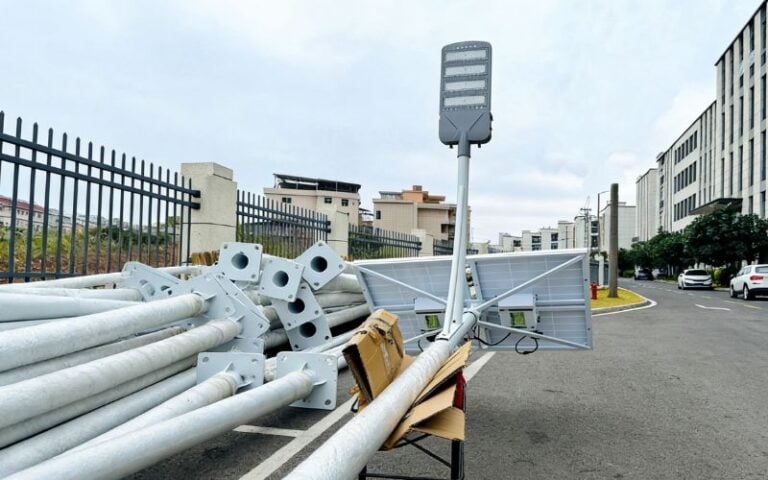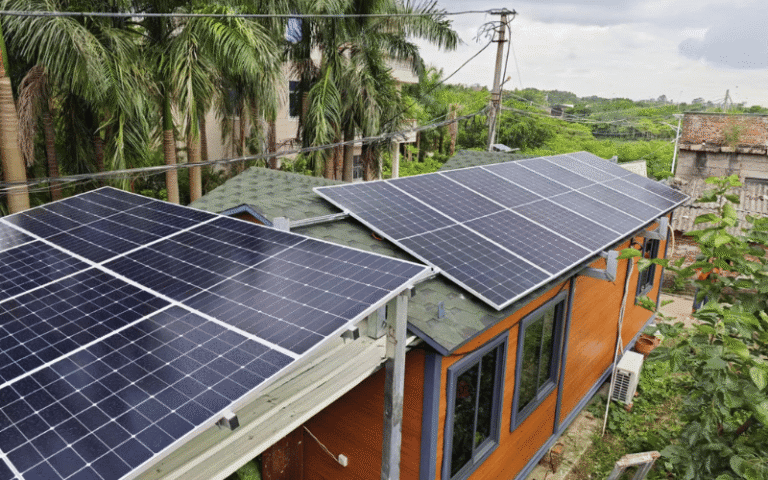

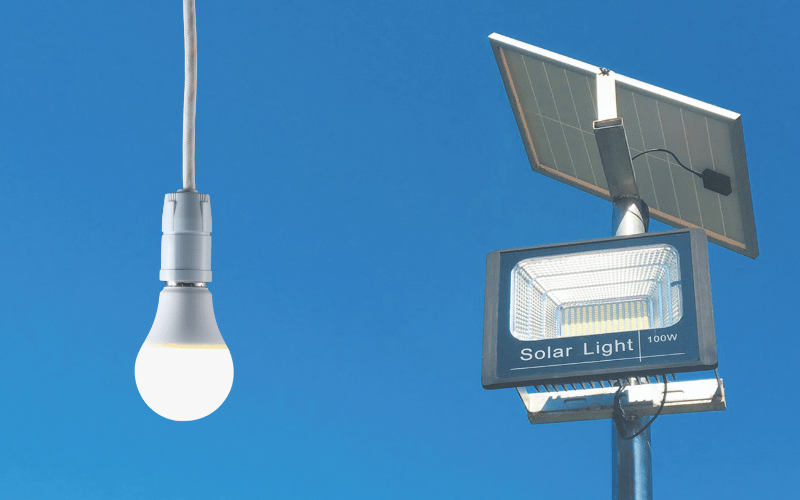
LED and solar lights have become two of the most popular choices for modern lighting solutions, each offering unique advantages. LED lights are renowned for their energy efficiency, long lifespan, and bright illumination, making them a go-to option for various applications. On the other hand, solar lights harness the power of the sun, providing an eco-friendly and cost-effective way to light up outdoor spaces. The key distinction lies in their functionality: LED refers to the light source, while solar describes the power method that drives the light.
This article serves as a practical guide to help you navigate the differences between LED and solar lights. Whether you’re looking to enhance your home’s safety with brighter outdoor lighting or seeking an energy-efficient solution to reduce costs, understanding these options is crucial. Many homeowners, for instance, prioritize high-lumen solar lights for their practicality and brightness, often balancing performance with battery life. For residential use, solar lights typically offer up to 3,000 lumens, while specialized projects can achieve much higher outputs.
Drawing from years of experience in outdoor lighting projects, I aim to clarify the benefits of each option and provide actionable insights. By the end of this guide, you’ll have the knowledge to confidently choose the right lighting solution tailored to your needs.
What Are LED Lights and Solar Lights?
When it comes to modern lighting solutions, LED and solar lights stand out as two distinct yet complementary technologies. Each has its own strengths, making them suitable for different applications. Let’s dive into their definitions and key features to understand what sets them apart.
LED Lights
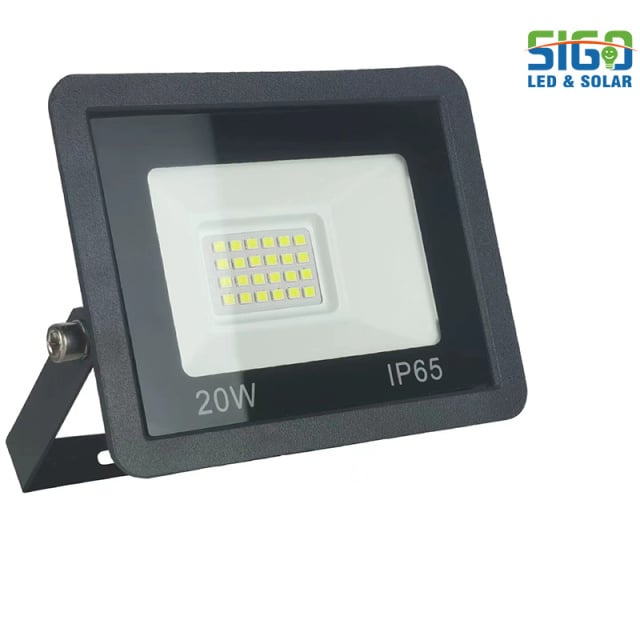
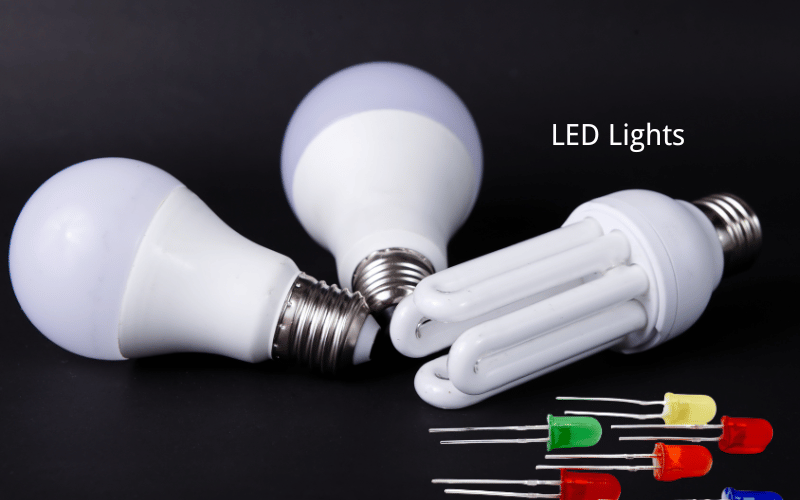
LED lights, or Light Emitting Diodes, are powered by electricity sourced from the grid or other main power systems. These lights are celebrated for their energy efficiency, durability, and adaptability across a wide range of uses. Whether illuminating a cozy living room or a bustling commercial space, LED lights deliver consistent brightness while consuming significantly less energy than traditional incandescent bulbs.
Key features of LED lights include:
- Energy Efficiency: LEDs convert most of the energy they consume into light, minimizing waste and reducing electricity bills.
- Longevity: With a lifespan of up to 50,000 hours, LED lights outlast most other lighting options, saving you money on replacements.
- Versatility: Available in various shapes, sizes, and color temperatures, LEDs can be tailored to suit any environment or aesthetic.
As a seasoned expert in the solar street light industry, I often recommend LED lights for projects where consistent, high-quality illumination is a priority. Their reliability and low maintenance make them a favorite for both residential and commercial applications.
Solar Lights
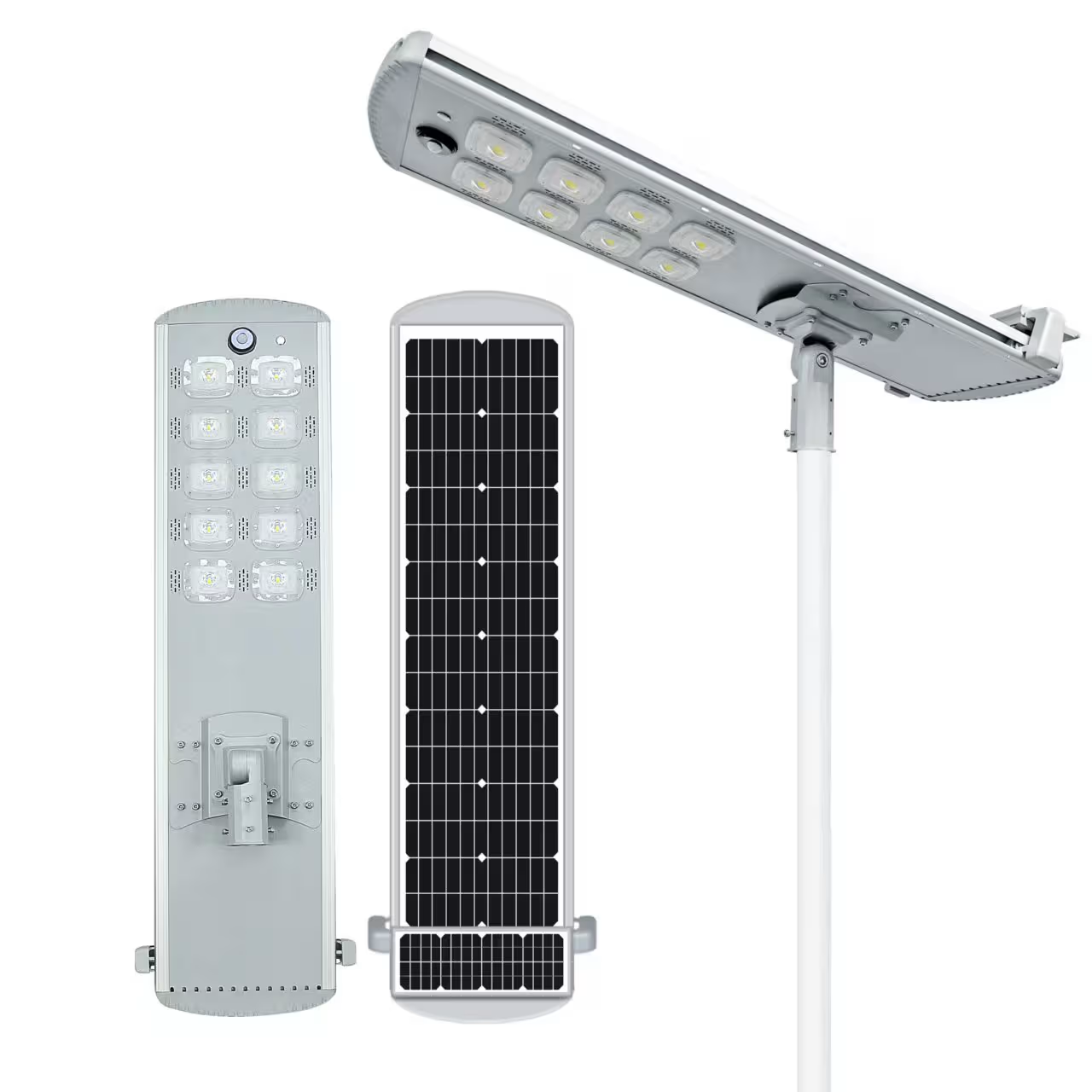
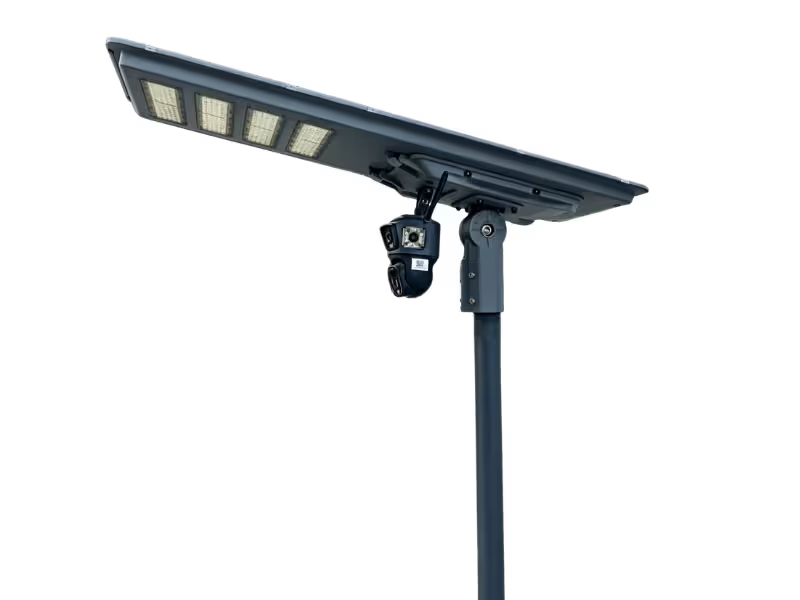
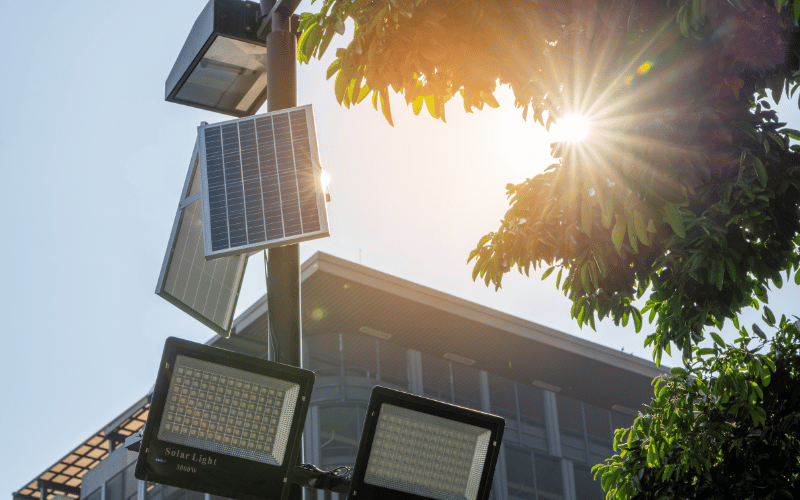
Solar lights, on the other hand, draw their power from the sun. These lights use photovoltaic panels to capture solar energy, which is then stored in batteries for use during the night. Unlike LED lights, solar lights operate independently of the electrical grid, making them an eco-friendly and cost-effective solution for outdoor and remote areas.
Key features of solar lights include:
- Grid Independence: Solar lights function without relying on traditional power sources, making them ideal for areas with limited or no access to electricity.
- Eco-Friendliness: By harnessing renewable energy, solar lights reduce carbon emissions and contribute to a greener planet.
- Ease of Installation: With no need for extensive wiring, solar lights are quick and simple to install, saving time and labor costs.
In my years of working with solar street lighting, I’ve seen firsthand how solar lights transform communities in remote areas. They provide reliable illumination where traditional grid power is unavailable, enhancing safety and quality of life.
Quick Comparison Table
To help you quickly grasp the differences between LED and solar lights, here’s a side-by-side comparison:
| Feature | LED Lights | Solar Lights |
|---|---|---|
| Power Source | Electricity from the grid or mains | Solar energy stored in batteries |
| Installation | Requires wiring and connection to grid | Easy, no wiring needed |
| Cost | Higher upfront cost, lower operating cost | Lower upfront cost, no electricity bills |
Both LED and solar lights have their unique advantages, and understanding these differences is the first step in choosing the right solution for your needs. Let’s explore further to see how these technologies can work for you.
How Do LED and Solar Lights Work?
Understanding how LED and solar lights function is essential to making informed decisions about your lighting needs. While both technologies are innovative, their mechanisms and components differ significantly, each offering unique advantages. Let’s break down their inner workings.
LED Technology
LEDs, or Light Emitting Diodes, produce light through a process called electroluminescence. When an electric current passes through a semiconductor material, it excites electrons, causing them to release energy in the form of light. This process is highly efficient, as very little energy is wasted as heat, unlike traditional incandescent bulbs.
The benefits of LEDs are numerous:
- Longevity: LEDs can last up to 50,000 hours or more, significantly reducing the need for frequent replacements.
- Energy Efficiency: LEDs use a fraction of the energy consumed by traditional lighting, making them cost-effective and environmentally friendly.
- Durability: Built with solid-state components, LEDs are resistant to shocks, vibrations, and extreme temperatures, making them ideal for both indoor and outdoor applications.
As someone deeply involved in the solar street light industry, I often describe LEDs as the “workhorses” of modern lighting. Their reliability and efficiency make them indispensable in projects where consistent performance is non-negotiable.
Solar Lighting Systems
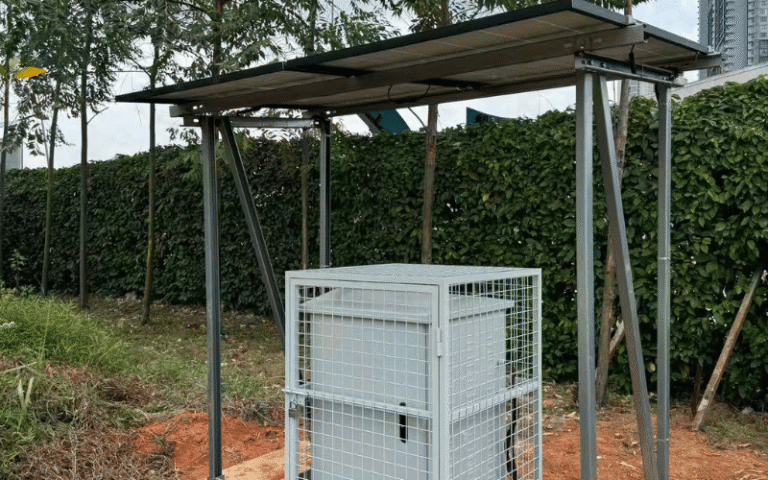
Solar lighting systems are a bit more complex, as they involve multiple components working together seamlessly. At the heart of these systems are four key elements: the solar panel, battery, charge controller, and LED fixture.
- Solar Panel: The solar panel is the system’s powerhouse, converting sunlight into electricity through photovoltaic cells. The efficiency of this process depends on factors like panel quality, orientation, and exposure to sunlight.
- Battery: The electricity generated by the solar panel is stored in a battery, typically a lithium-ion or lead-acid type. This stored energy powers the light during nighttime hours.
- Charge Controller: Acting as the system’s “brain,” the charge controller regulates the flow of electricity between the solar panel, battery, and LED fixture. It prevents overcharging, which can damage the battery, and ensures efficient energy use.
- LED Fixture: Finally, the LED fixture uses the stored energy to provide illumination. Its energy-efficient nature ensures that the battery’s charge lasts throughout the night.
I often liken solar lighting systems to a well-coordinated team, where each component plays a critical role. The solar panel captures energy, the battery stores it, the charge controller manages it, and the LED fixture delivers it as light. When these elements work in harmony, the result is a reliable, sustainable lighting solution that can operate independently of the electrical grid.
By understanding the mechanics of LED and solar lights, you can better appreciate their capabilities and make choices that align with your specific needs. Whether it’s the precision of LED technology or the self-sufficiency of solar systems, each has a role to play in modern lighting solutions.
Key Differences Between LED and Solar Lights
When choosing between LED and solar lights, understanding their key differences is crucial. Each option has its strengths, and the right choice depends on your specific needs and circumstances. Let’s explore these differences in detail.
1. Power Source
The most fundamental difference lies in how these lights are powered.
- LED Lights: These lights draw electricity directly from the grid or other main power sources. This ensures consistent performance, making them ideal for areas with stable and reliable electricity.
- Solar Lights: Solar lights rely on energy stored in batteries, which is generated by solar panels during the day. Their performance depends on sunlight availability, making them more suitable for regions with ample sun exposure.
This distinction often guides my recommendations. For instance, in urban areas with dependable grid access, LED lights are a natural fit. However, for remote or off-grid locations, solar lights shine as the more practical solution.
2. Installation Requirements
The installation process for these lighting systems also varies significantly.
- LED Lights: Installing LED lights typically involves wiring and connection to the electrical grid. This can require trenching, conduit installation, and professional expertise, which adds to the labor and time involved.
- Solar Lights: Solar lights, in contrast, are much simpler to set up. With no need for wiring or trenching, they can be installed quickly and with minimal disruption. This makes them particularly appealing for projects with tight timelines or limited infrastructure.
I often describe solar lights as “plug-and-play” solutions, perfect for areas where traditional installation methods are impractical or cost-prohibitive.
3. Cost
Cost considerations often play a significant role in decision-making.
- LED Lights: While LED lights have a lower upfront cost, they come with ongoing electricity bills, which can add up over time.
- Solar Lights: Solar lights require a higher initial investment due to the cost of solar panels and batteries. However, they eliminate monthly electricity expenses, offering long-term savings.
When advising clients, I emphasize the importance of evaluating both short-term and long-term costs. For projects with a focus on sustainability and reduced operational expenses, solar lights often prove to be the more economical choice.
4. Maintenance
Maintenance needs differ between the two systems, and understanding these requirements is essential for long-term performance.
- LED Lights: These lights require minimal maintenance, with occasional bulb replacements being the primary task.
- Solar Lights: Solar lights demand more attention. Regular cleaning of solar panels ensures optimal energy absorption, while batteries need periodic checks and eventual replacement after a few years.
I often remind users that while solar lights are low-maintenance, they are not maintenance-free. A little care goes a long way in ensuring their efficiency and longevity.
5. Best Use Cases
Finally, the ideal applications for LED and solar lights vary based on their characteristics.
- LED Lights: These are best suited for urban streets, indoor lighting, and areas with stable electricity. Their consistent performance and high brightness make them a reliable choice for such settings.
- Solar Lights: Solar lights excel in gardens, pathways, remote areas, and off-grid projects. Their independence from the grid and ease of installation make them invaluable in locations where traditional lighting is not feasible.
When discussing use cases, I often personify these technologies. LED lights are like dependable city dwellers, thriving in structured environments with reliable infrastructure. Solar lights, on the other hand, are adventurous pioneers, bringing light to places where the grid cannot reach.
By understanding these key differences, you can make an informed decision that aligns with your specific needs, ensuring the best possible outcome for your lighting project.
Benefits and Limitations of Each System
When deciding between LED and solar lights, it’s essential to weigh their benefits and limitations. Each system has its strengths and challenges, and understanding these can help you choose the right solution for your specific needs. Let’s take a closer look at both.
LED Lights
LED lights are often celebrated for their performance and efficiency, but they come with certain constraints.
Benefits
- High Brightness: LED lights deliver consistent and powerful illumination, making them ideal for areas requiring high visibility, such as streets, parking lots, and industrial spaces.
- Energy Efficiency: LEDs convert most of the electricity they consume into light, minimizing energy waste. This efficiency translates to lower electricity usage compared to traditional lighting systems.
- Long Lifespan: With a lifespan of up to 50,000 hours or more, LED lights significantly reduce the need for frequent replacements, saving time and maintenance costs.
I often describe LED lights as the “steady performers” of the lighting world. They excel in environments where reliability and brightness are paramount, and their efficiency makes them a cost-effective choice over time.
Limitations
- Dependent on Grid Power: LED lights require a stable connection to the electrical grid, which can be a limitation in areas with unreliable or no access to electricity.
- Ongoing Electricity Costs: While LEDs are energy-efficient, they still incur monthly electricity bills, which can add up over the years, especially for large-scale installations.
For projects in remote or off-grid locations, I often advise exploring alternative solutions, as the dependency on grid power can be a significant drawback for LED systems.
Solar Lights
Solar lights offer a sustainable and independent lighting solution, but they also come with their own set of challenges.
Benefits
- Renewable Energy: Solar lights harness energy from the sun, making them an eco-friendly option that reduces carbon emissions and reliance on non-renewable resources.
- No Electricity Bills: Once installed, solar lights operate without incurring monthly electricity costs, offering long-term savings.
- Easy Installation: With no need for wiring or trenching, solar lights can be installed quickly and with minimal disruption, making them ideal for remote or temporary projects.
I often liken solar lights to “independent thinkers” that thrive on self-sufficiency. They bring light to areas where traditional systems fall short, offering a practical and sustainable solution.
Limitations
- Performance Depends on Sunlight: Solar lights rely on sunlight to charge their batteries, which can be a limitation in regions with frequent overcast weather or limited sun exposure.
- Higher Upfront Cost: The initial investment for solar lights is higher due to the cost of solar panels and batteries. However, this is often offset by the absence of electricity bills over time.
- Battery Maintenance: Solar lights require periodic battery checks and eventual replacement, as batteries typically last 3-5 years depending on usage and quality.
When discussing solar lights, I often emphasize the importance of proper planning and maintenance. Ensuring optimal panel placement and regular upkeep can significantly enhance their performance and longevity.
By understanding the benefits and limitations of LED and solar lights, you can make a well-informed decision that aligns with your project’s goals and constraints. Each system has its place, and the right choice depends on the unique demands of your lighting application.
Choosing the Right Lighting Solution
Selecting the right lighting solution requires careful evaluation of your specific needs and circumstances. Both LED and solar lights have their strengths, but the best choice depends on factors like location, budget, and maintenance capacity. Let’s break down the key considerations to guide your decision.
Factors to Consider
Before committing to a lighting system, it’s essential to assess the following factors:
- Location: Determine whether the area has access to the electrical grid. If grid power is unavailable or unreliable, solar lights may be the better option.
- Budget: Evaluate your financial capacity. While solar lights have a higher upfront cost, they eliminate ongoing electricity bills, making them a cost-effective choice in the long run.
- Sunlight Availability: Consider the amount of sunlight the area receives. Solar lights perform best in regions with consistent sun exposure. For areas with frequent overcast weather, LED lights may offer more reliable performance.
- Maintenance: Assess your ability to maintain the system. Solar lights require periodic battery checks and replacements, while LED lights demand minimal upkeep.
I often advise clients to think of these factors as the “pillars” of their decision-making process. Ignoring any one of them can lead to suboptimal results, so it’s crucial to evaluate each thoroughly.
When to Choose LED Lights
LED lights are an excellent choice for specific scenarios where their strengths align with the project’s requirements.
- For Consistent Performance in Areas with Stable Electricity: If the location has reliable grid access, LED lights provide consistent and powerful illumination without the variability of solar systems.
- For Indoor or Urban Applications Where Wiring is Feasible: LED lights are ideal for urban streets, commercial spaces, and indoor environments where wiring and grid connections are readily available.
I often describe LED lights as the “dependable workhorses” of the lighting world. They thrive in structured environments where stability and reliability are key.
When to Choose Solar Lights
Solar lights shine in scenarios where independence from the grid and sustainability are priorities.
- For Off-Grid or Remote Locations: In areas without grid access, solar lights offer a practical and self-sufficient solution. They are particularly valuable for rural communities, pathways, and remote facilities.
- To Reduce Electricity Bills and Promote Sustainability: Solar lights are perfect for those looking to minimize operational costs and reduce their carbon footprint. Their reliance on renewable energy makes them an eco-friendly choice.
I often liken solar lights to “trailblazers” that bring light to places where traditional systems cannot reach. Their ability to operate independently makes them invaluable in challenging environments.
Hybrid Systems
For projects that demand the best of both worlds, hybrid systems offer a compelling solution.
- Combining Solar Power with Grid-Powered LEDs: Hybrid systems integrate solar panels with grid-powered LEDs, providing backup or supplemental energy. This ensures consistent performance even during periods of low sunlight or high energy demand.
Hybrid systems are like a “team effort,” where solar and grid power work together to deliver reliable and sustainable lighting. They are particularly useful for large-scale projects or areas with fluctuating sunlight availability.
By carefully considering these factors and scenarios, you can confidently choose a lighting solution that meets your needs. Whether it’s the reliability of LED lights, the sustainability of solar lights, or the versatility of hybrid systems, the right choice will illuminate your path to success.
Quick Tips for Choosing the Right Lighting Solution
Selecting the perfect lighting solution can feel overwhelming, but breaking it down into actionable steps makes the process much simpler. Here’s a checklist of expert tips to guide you, ensuring your lighting system performs efficiently and reliably over time.
Focus on Lumens, Not Wattage, to Determine Brightness
When evaluating lighting options, prioritize lumens over wattage. Lumens measure the actual brightness of a light, while wattage only indicates energy consumption. For example, a high-quality LED light can produce more lumens with less wattage compared to traditional bulbs. If you’re lighting a street or pathway, aim for fixtures with at least 1,500 lumens for adequate visibility.
I often tell clients to think of lumens as the “language of light.” By focusing on lumens, you ensure you’re getting the brightness you need without wasting energy.
Match Battery Capacity with Solar Panel Output for Optimal Performance
In solar lighting systems, the harmony between the solar panel and battery is critical. A mismatch can lead to underperformance or wasted energy. For instance, if your solar panel generates 100 watts of power daily, ensure the battery can store that energy effectively. A 12V 100Ah battery, for example, can store up to 1,200 watt-hours, which is sufficient for most residential solar lights.
I often compare this to a well-matched partnership—when the solar panel and battery work in sync, the system operates smoothly and efficiently.
Choose High-Quality Components for Long-Term Reliability
Investing in high-quality components may seem costly upfront, but it pays off in the long run. Look for corrosion-resistant materials for fixtures, monocrystalline solar panels for higher efficiency, and lithium-ion batteries for better longevity. Avoid cutting corners with cheaper alternatives, as they often lead to frequent replacements and higher maintenance costs.
I like to remind users that lighting systems are only as strong as their weakest component. Prioritize quality to ensure your system stands the test of time.
Consider Dimming Features to Save Energy and Extend Battery Life
Dimming features allow lights to operate at lower brightness levels during off-peak hours, conserving energy and extending battery life. For example, a solar street light can dim to 30% brightness after midnight when traffic is minimal, then return to full brightness at dawn. This not only saves energy but also reduces wear on the battery.
I often describe dimming features as the “smart savers” of solar lighting systems. They optimize performance without compromising functionality.
Regularly Clean Solar Panels and Check Battery Health for Consistent Performance
Maintenance is key to ensuring your solar lighting system performs at its best. Dust, dirt, and debris can accumulate on solar panels, reducing their efficiency. Clean the panels every few months, or more frequently in dusty environments. Similarly, check the battery’s health periodically to ensure it’s holding a charge effectively. Replace batteries every 3-5 years, depending on usage and quality.
I like to think of maintenance as giving your lighting system a “health check-up.” A little care goes a long way in keeping it running smoothly.
By following these quick tips, you can ensure your lighting solution is not only effective but also efficient and long-lasting. Each step is a building block toward a system that meets your needs and performs reliably for years to come.
Frequently Asked Questions (FAQs)
Q: Are solar lights as bright as LED lights?
A: Solar lights can be as bright as LED lights, but it depends on the system’s design and components. High-quality solar lights with efficient panels, powerful batteries, and high-lumen LED fixtures can match the brightness of grid-powered LED lights. However, lower-end solar lights may not achieve the same level of brightness. Always check the lumens rating to ensure the light meets your needs.
Q: How long do solar lights last after sunset?
A: Solar lights typically last 6 to 12 hours after sunset, depending on the battery capacity, sunlight exposure during the day, and energy consumption of the light. For optimal performance, ensure the solar panel receives full sunlight and the battery is in good condition. Some advanced models with dimming features can extend runtime by reducing brightness during off-peak hours.
Q: Can solar lights work in cloudy or rainy weather?
A: Yes, solar lights can work in cloudy or rainy weather, but their performance may decrease due to reduced sunlight. High-quality solar panels can still generate energy under diffused light conditions, though at a lower efficiency. To ensure consistent performance, choose a system with a larger battery capacity to store extra energy for days with limited sunlight.
Q: What is the lifespan of a solar light battery?
A: The lifespan of a solar light battery typically ranges from 3 to 5 years, depending on the battery type and usage. Lithium-ion batteries generally last longer and perform better than lead-acid batteries. Regular maintenance, such as checking for corrosion and ensuring proper charging cycles, can help extend the battery’s life.
Q: Are grid-connected residential LED lights more reliable than solar LED lights?
A: Grid-connected LED lights are generally more reliable in areas with stable electricity, as they provide consistent performance without relying on weather conditions. However, solar LED lights offer reliability in off-grid or remote locations where grid power is unavailable. For maximum reliability, consider hybrid systems that combine solar power with grid backup.
Conclusion
LED lights and solar lights each serve unique purposes, excelling in different scenarios based on their strengths. LED lights provide consistent, high-quality illumination, making them ideal for areas with stable electricity. Solar lights, on the other hand, offer sustainable, off-grid solutions perfect for remote locations or those looking to reduce energy costs.
Focus on your location, budget, and specific lighting needs to determine the best option for your project. Evaluate factors like grid access, sunlight availability, and maintenance capacity to make an informed decision.
Take the next step by assessing your requirements in detail. If you’re unsure, consult with lighting experts who can guide you toward the most effective and efficient solution for your needs.