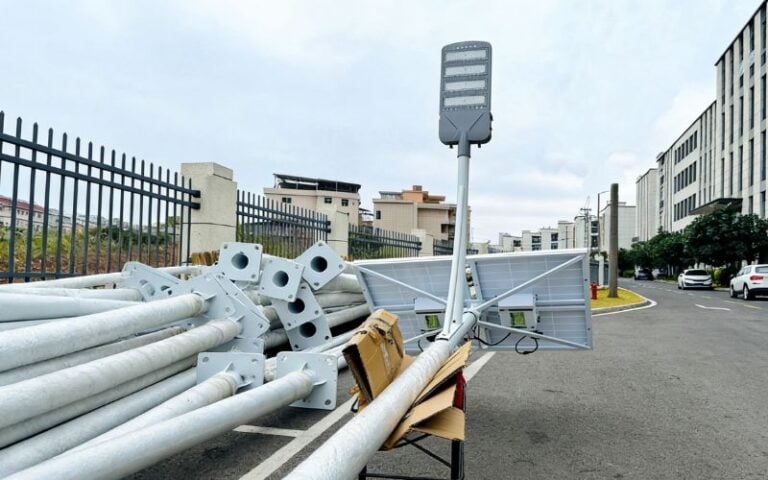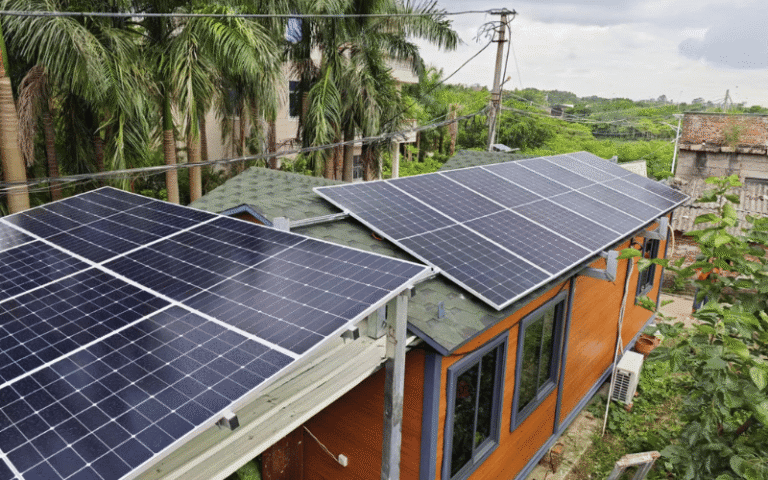


Solar lights have become a popular choice for outdoor lighting, offering an eco-friendly and cost-effective way to illuminate pathways, gardens, and public spaces. At the core of every solar light lies its battery, which stores energy collected by the solar panel during the day and powers the light at night. The battery’s capacity, measured in milliampere-hours (mAh), directly impacts how long the light stays on and how bright it shines. Many users wonder if upgrading to a higher mAh battery can improve performance and whether it’s worth the effort.
The short answer is yes, you can use a higher mAh battery in most solar lights, provided the voltage matches the original battery. A higher mAh rating means the battery can store more energy, leading to longer runtimes and potentially brighter light output. However, this upgrade comes with considerations, such as ensuring the solar panel can fully charge the larger battery and confirming the new battery fits the compartment. Without proper planning, the upgrade may not deliver the expected benefits.
This article serves as a practical guide to safely and effectively upgrading your solar light batteries. I’ll walk you through the steps to choose the right battery, install it correctly, and maximize its performance. Upgrading to a higher mAh battery can extend the lifespan of your solar lights, reduce replacement frequency, and improve overall efficiency. Let’s explore how to make this upgrade work for you while avoiding common pitfalls.
Understanding mAh and Battery Compatibility
Upgrading your solar light’s battery requires more than just picking one with a higher capacity. To ensure your light performs optimally, you need to understand how mAh, voltage, and other compatibility factors work together. Let’s break down these critical elements so you can make informed decisions and avoid costly mistakes.
What is mAh?
Batteries often use the unit milliamp-hours (mAh), and understanding this term is key to choosing the right upgrade.
-
Definition: Milliamp-hours (mAh) as a Measure of Battery Capacity
Think of mAh as the size of your battery’s fuel tank. It measures how much energy the battery can store. For example, a 600 mAh battery can deliver 600 milliamperes for one hour, while a 1200 mAh battery can deliver the same current for two hours. The higher the mAh, the more energy the battery can hold. -
How mAh Affects Runtime: Higher mAh = Longer Operation Time
A higher mAh battery allows your solar light to run longer at night, especially during seasons with shorter daylight hours. For instance, upgrading from a 600 mAh to an 800 mAh battery could extend runtime by several hours, provided the solar panel can fully charge the larger battery during the day.
The Role of Voltage
While mAh determines how long your light can run, voltage ensures the system operates safely and efficiently. Voltage compatibility is non-negotiable when upgrading batteries.
-
Why Voltage Compatibility is Critical for System Performance
Voltage acts as the electrical pressure that drives current through your solar light’s circuit. Using a battery with the wrong voltage can overload the system or fail to provide enough power. For example, replacing a 1.2V NiMH battery with a 3.2V LiFePO4 battery could fry the circuit board, while using a lower voltage battery may cause the light to flicker or not turn on at all. -
Common Voltage Options and Their Alignment with Controllers and Panels
Most solar lights use standard voltage options like 1.2V (NiMH or NiCd), 3.2V (LiFePO4), or 3.7V (Li-ion). Always check the voltage requirements printed on the old battery or inside the battery compartment. The solar panel and controller are designed to work with a specific voltage, so matching this is essential for proper operation.
Key Compatibility Factors
Upgrading your battery isn’t just about mAh and voltage. Other factors, like physical size and chemistry, play a crucial role in ensuring a successful replacement.
-
Voltage Matching: Why Mismatched Voltage Can Damage the System
Voltage mismatches are one of the most common causes of system failure. A higher voltage battery can overload the circuit, while a lower voltage battery may not provide enough power to operate the light. Always match the voltage precisely to avoid damaging your solar light. -
Physical Size: Ensuring the New Battery Fits the Compartment
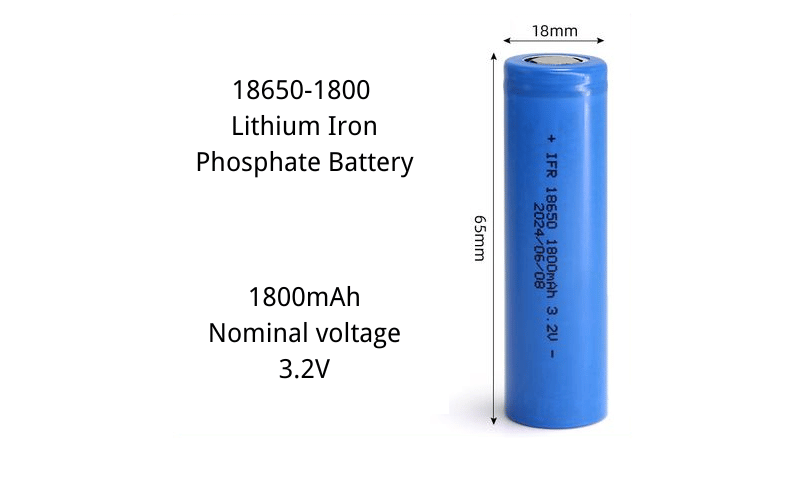
Even if the mAh and voltage are correct, the battery must physically fit into the compartment. Batteries come in various sizes, such as AA, AAA, or cylindrical 18650 cells. Measure the dimensions of the old battery and compare them to the replacement to ensure a proper fit. -
Battery Chemistry: Why Mixing Chemistries is Not Advisable
Mixing different battery chemistries, such as NiMH with Li-ion, can lead to charging inefficiencies and potential damage. Each chemistry has unique charging requirements, and your solar light’s controller is designed to work with a specific type. Stick to the same chemistry as the original battery to maintain compatibility and performance.
By understanding mAh, voltage, and other compatibility factors, you can confidently upgrade your solar light’s battery without compromising its performance. Treat your solar light like a finely tuned machine—it relies on the right components to function smoothly and efficiently.
Benefits and Limitations of Using a Higher mAh Battery
Upgrading to a higher mAh battery can transform the performance of your solar lights, but it’s not without its trade-offs. While the benefits are compelling, understanding the limitations ensures you make an informed decision. Let’s explore the advantages and disadvantages of using a higher mAh battery, followed by a clear comparison to help you weigh your options.
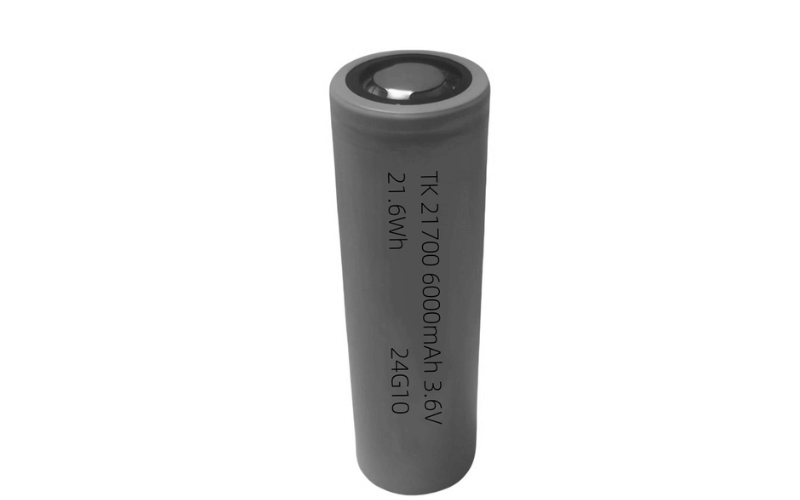
Advantages
A higher mAh battery can significantly enhance the functionality of your solar lights, especially in challenging conditions. Here’s how:
-
Extended Nighttime Operation: Lights Stay On Longer After Sunset
A higher mAh battery stores more energy, allowing your solar light to operate for longer periods. For example, upgrading from a 600 mAh to an 800 mAh battery can add several hours of runtime, ensuring your light stays on well into the night. -
Improved Reliability During Cloudy Weather: Increased Capacity to Hold Charge Through Low Solar Gain Days
On overcast days, when the solar panel collects less energy, a higher mAh battery provides a buffer by storing more energy during sunnier periods. This ensures your light remains functional even after a few cloudy days. -
Sustained Brightness: The Battery Can Maintain Output Before Depletion
A higher capacity battery delivers consistent power, preventing the light from dimming prematurely. This is particularly useful for high-lumen solar lights that demand more energy to maintain brightness.
Disadvantages
While the benefits are appealing, it’s essential to consider the potential drawbacks of using a higher mAh battery.
-
Longer Charging Time: A Higher Capacity Battery Requires More Time to Charge Fully
A larger battery takes longer to reach a full charge, especially if the solar panel’s wattage is limited. For instance, a 1000mAh battery may not fully charge during short winter days, leading to reduced performance. -
Solar Panel Limitations: The Available Wattage from the Solar Panel May Be Insufficient for a Full Charge
If the solar panel isn’t powerful enough to fully charge the higher mAh battery, the upgrade may not deliver the expected benefits. Always ensure the panel’s output aligns with the battery’s capacity to avoid undercharging. -
Size and Cost: Higher mAh Batteries Are Often Larger and More Expensive
Higher-capacity batteries are typically larger, which may not fit in the existing battery compartment. Additionally, they cost more, so the upgrade must justify the added expense through performance gains.
Comparison Table
Here’s a side-by-side comparison to help you visualize the differences between standard and higher mAh batteries:
| Feature | Standard Battery (e.g., 600mAh) | Higher mAh Battery (e.g., 1000mAh) |
|---|---|---|
| Runtime | Shorter (e.g., 6-8 hours) | Longer (e.g., 10-12 hours) |
| Charging Time | Faster (e.g., 6 hours of sunlight) | Slower (e.g., 8-10 hours of sunlight) |
| Performance on Cloudy Days | Limited | Improved |
| Brightness Consistency | May dim before depletion | Sustained brightness |
| Cost | Lower (e.g., $5-$10) | Higher (e.g., $15-$20) |
| Size | Compact, fits most compartments | Larger, may require more space |
By understanding these benefits and limitations, you can decide whether a higher mAh battery is the right choice for your solar lights. Treat your solar light like a partner—it thrives when you match its needs with the right components.
Technical Considerations for Solar Light Systems
Upgrading or maintaining a solar light system requires a solid understanding of its technical components. Each part of the system—from the charging circuit to the solar panel—plays a critical role in ensuring optimal performance. Let’s dive into the technical details to help you make informed decisions and keep your solar lights running efficiently.
The Charging Circuit and mAh
The charging circuit is the heart of your solar light system, tirelessly converting sunlight into stored energy. Understanding how it interacts with the battery is essential for any upgrade or maintenance.
-
How Solar Photovoltaic Cells Charge the Battery
Solar photovoltaic (PV) cells absorb sunlight and convert it into direct current (DC) electricity. This electricity flows into the battery, where it is stored for nighttime use. The amount of energy generated depends on the size and efficiency of the solar panel, as well as the intensity of sunlight. -
The Role of the Charge Controller in Regulating Voltage and Current
The charge controller acts as the system’s gatekeeper, ensuring the battery receives the correct amount of voltage and current. Without it, the battery could be overcharged or undercharged, leading to reduced performance or even permanent damage. For example, a 3.2V LiFePO4 battery requires precise voltage regulation to avoid overloading its cells. -
Safety Aspects: Preventing Overcharging, Which is Harmful to Battery Life
Overcharging can cause batteries to overheat, swell, or leak, significantly shortening their lifespan. The charge controller prevents this by cutting off the current once the battery reaches its maximum capacity. Always ensure your solar light has a functioning charge controller, especially when upgrading to a higher mAh battery.
Solar Panel Output Analysis
The solar panel is the system’s energy source, and its output determines how effectively it can charge the battery. Analyzing its performance helps you understand its limitations and potential.
-
Rating the Efficacy of Common Solar Light Panels (Measured in Current and Voltage)
Most solar light panels are rated between 5V and 6V, with a current output of 100mA to 300mA under optimal sunlight. For example, a 6V panel producing 200mA can generate 1.2 watt-hours of energy in an hour. This rating directly impacts how quickly the panel can charge the battery. -
Calculating How Long a Solar Panel Must Operate to Charge a Specific mAh Battery
To estimate charging time, divide the battery’s capacity (in mAh) by the panel’s current output (in mA). For instance, a 1000 mAh battery paired with a 200 mA panel would take approximately 5 hours of direct sunlight to fully charge. Keep in mind that real-world conditions, such as shading or cloudy weather, can extend this time. -
Determining the Maximum Practical mAh Size for Standard Outdoor Solar Units
The solar panel’s output sets a practical limit on the battery size. If the panel can’t fully charge a higher mAh battery during the day, the upgrade may not deliver the expected benefits. For example, a 200 mA panel may struggle to charge a 2000 mAh battery in a single day, especially during winter months with shorter daylight hours.
Why Voltage Must Match Exactly
Voltage compatibility is non-negotiable in solar light systems. Mismatched voltage can cause serious damage to the system’s components.
- Explanation of How Mismatched Voltage Can Damage the Controller or LED
The charge controller and LED are designed to operate within a specific voltage range. Using a battery with a higher voltage than specified can overload the controller, causing it to fail. Similarly, the LED may burn out if subjected to excessive voltage. For example, replacing a 1.2V NiMH battery with a 3.7V Li-ion battery could fry the entire system. Always match the battery’s voltage to the original specifications to ensure safe and efficient operation.
By understanding these technical considerations, you can make smarter decisions about upgrading or maintaining your solar light system. Think of your solar light as a finely tuned orchestra—each component must play its part in harmony to deliver a brilliant performance.
Practical Steps for Upgrading to a Higher mAh Battery
Upgrading to a higher mAh battery can breathe new life into your solar light, extending its runtime and improving its reliability. However, this process requires careful planning and execution to ensure compatibility and performance. Let’s walk through the practical steps to make this upgrade a success, from assessment to installation, while avoiding common pitfalls.
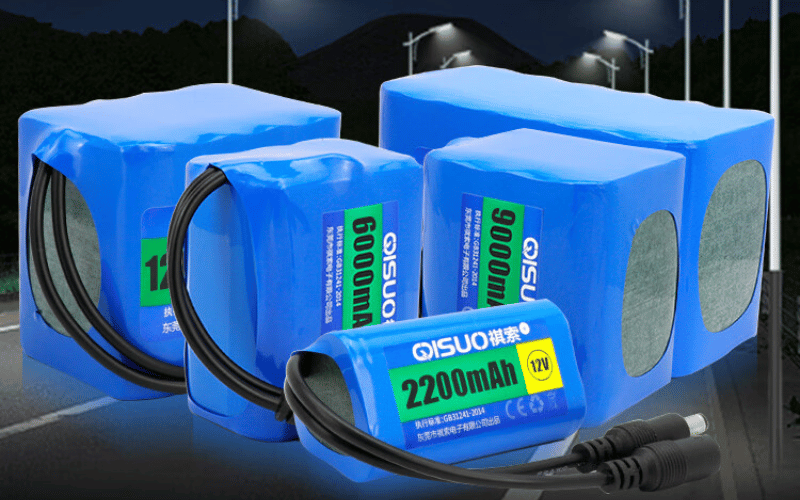
Assessment Before Purchase
Before you rush to buy a higher mAh battery, take the time to evaluate your solar light’s current setup and environment. This step ensures you select a battery that fits both physically and functionally.
-
Check the Light Fixture’s Existing Battery Type, Voltage, and mAh Rating.
Open the battery compartment and note the type (e.g., NiMH, NiCd, or LiFePO4), voltage (e.g., 1.2V, 3.2V, or 3.7V), and mAh rating of the existing battery. These details are usually printed on the battery itself or inside the compartment. Matching the voltage is non-negotiable, while the mAh rating can be increased within reason. -
Measure the Physical Dimensions of the Battery Compartment
Higher mAh batteries are often larger, so measure the length, width, and height of the compartment to ensure the new battery will fit. For example, upgrading from a standard AA NiMH battery to a higher capacity 18650 Li-ion battery may require a larger compartment. -
Determine the Typical Daily Sun Exposure for the Installation Location
Assess how much direct sunlight the solar panel receives daily. Locations with limited sun exposure may struggle to fully charge a higher mAh battery, reducing the effectiveness of the upgrade. If your light is in a shaded area, consider relocating it or cleaning the solar panel to maximize sunlight absorption.
Selecting the Correct Higher-Capacity Battery
Once you’ve assessed your solar light, it’s time to choose the correct battery. This step is critical to ensure the upgrade delivers the desired benefits without compromising the system.
-
Choose a Reliable Brand with Verified Capacity Ratings
Not all batteries are created equal. Opt for reputable brands that provide accurate capacity ratings. Avoid generic or unbranded batteries, as their actual mAh may fall short of the advertised value. -
Please select the Highest mAh Available Within the Correct Voltage and Chemistry.
Stick to the same voltage and chemistry as the original battery. For example, if your light uses a 600 mAh NiMH battery, you can upgrade to a 2000 mAh NiMH battery for longer runtime. However, switching to a different chemistry, such as Li-ion, may require a compatible charge controller. -
Ensure the Charging Current is Adequate for the Increased Capacity
Check the solar panel’s current output (measured in mA) to confirm it can charge the higher capacity battery. For instance, a 200 mA panel can charge a 1000 mAh battery in about 5 hours of direct sunlight, but it may struggle with a 3000 mAh battery, especially in low-light conditions.
Installation and Testing
With the correct battery in hand, the next step is to install it properly and test the system to ensure everything works as expected.
-
Safety Precautions for Handling Rechargeable Batteries
Wear gloves to avoid direct contact with battery terminals, and handle the battery carefully to prevent short circuits. Keep the battery away from heat sources and avoid puncturing or dropping it. -
Proper Insertion and Securing of the New Battery
Insert the new battery into the compartment, ensuring the positive (+) and negative (-) terminals align correctly with the contacts. Secure the battery firmly to prevent movement, which could disrupt the connection. -
Monitor the Light’s Performance Over Several Sun/Dark Cycles
Observe the solar light’s performance over a few days and nights. Check that the battery charges entirely during the day and powers the light consistently at night. If the light dims or shuts off early, reassess the solar panel’s charging capacity and the battery’s compatibility.
Common Mistakes to Avoid
Even with careful planning, mistakes are inevitable and can derail your upgrade. Avoid these common errors to ensure a smooth process:
-
Using a Battery with Mismatched Voltage
Installing a battery with the wrong voltage can damage the charge controller or LED. Always match the voltage exactly to the original battery’s specifications. -
Ignoring the Solar Panel’s Charging Limitations
A higher mAh battery requires more energy to charge fully. If the solar panel’s output is insufficient, the battery may never reach full capacity, leading to reduced performance. -
Overlooking the Physical Size of the Battery
A larger battery won’t fit in a compartment designed for smaller cells. Measure the compartment carefully and choose a battery that fits snugly without forcing it.
By following these practical steps, you can safely and effectively upgrade your solar light to a higher mAh battery. Treat your solar light like a trusted partner—it relies on the right components and care to shine brightly and reliably.
Quick Tips for Upgrading and Maintaining Solar Light Batteries
Upgrading and maintaining solar light batteries doesn’t have to be complicated, but it does require attention to detail. A few simple yet effective practices can ensure your solar lights perform reliably and last longer. Here’s a checklist of actionable tips to guide you through the process.
Confirm the Battery Type, Voltage, and Capacity Before Purchasing
Before purchasing a replacement or upgraded battery, take a moment to verify the specifications of your solar light. Open the battery compartment and check the type (e.g., NiMH, NiCd, or LiFePO4), voltage (e.g., 1.2V, 3.2V, or 3.7V), and capacity (measured in mAh) of the existing battery. These details are often printed on the battery itself or inside the compartment. Matching the voltage is critical to avoid damaging the system, while increasing the mAh rating can extend runtime.
Use High-Quality Rechargeable Batteries for Better Performance
Not all batteries are created equal. Choose high-quality rechargeable batteries from reputable brands to ensure consistent performance and a longer lifespan. For example, a well-made 2000mAh NiMH battery will outperform a generic 2000mAh battery in both runtime and durability. Avoid using standard alkaline batteries, as they are not designed for solar charging and can leak or damage the system.
Re-Seal the Housing After Replacement to Prevent Water Damage
After replacing the battery, ensure the housing is sealed correctly to protect the internal components from water and dust. Tighten all screws or clips securely, and check that any gaskets or seals are intact. If the seals appear worn or damaged, replace them to maintain the light’s waterproof integrity. A poorly sealed housing can lead to corrosion and significantly shorten the lifespan of your solar light.
Regularly Clean the Solar Panel to Ensure Efficient Charging
A clean solar panel is essential for efficient energy collection. Dust, dirt, and debris can block sunlight and reduce the amount of energy stored in the battery. Clean the panel with a soft cloth and water every few months, or more frequently in dusty or pollen-heavy environments. Avoid using abrasive materials or harsh chemicals that could scratch the panel’s surface.
Replace Batteries Promptly When Performance Declines
Don’t wait for your solar light to stop working completely before replacing the battery. If you notice the light dimming, flickering, or operating for shorter periods, it’s time to replace the battery. Prompt replacement prevents strain on the system and ensures your light continues to perform at its best. Keep a spare set of batteries on hand for quick replacements, especially in high-use areas.
By following these quick tips, you can keep your solar lights running efficiently and extend their battery life. Think of your solar light as a partner in sustainability—give it the care it needs, and it will reward you with reliable, eco-friendly illumination for years to come.
Frequently Asked Questions (FAQs)
Upgrading your solar light battery can feel like navigating a maze of technical details, but understanding the answers to common questions can make the process much smoother. Let’s address some of the most frequently asked questions to help you make informed decisions.
Q: Can I use a higher mAh battery with a different voltage?
A: No, you cannot use a battery with a different voltage. Voltage compatibility is critical for the safe and efficient operation of your solar light. For example, replacing a 1.2V NiMH battery with a 3.7V Li-ion battery could overload the charge controller and damage the LED. Always match the voltage exactly to the original battery, even if you’re upgrading the mAh capacity.
Q: How much longer will my solar light run with a higher mAh battery?
A: The runtime increase depends on the difference in mAh capacity and the energy consumption of your solar light. For instance, upgrading from a 600 mAh battery to a 1200 mAh battery can roughly double the runtime, assuming the solar panel fully charges the battery. However, factors like weather conditions and the light’s power draw also play a role in determining the actual runtime.
Q: Will a higher mAh battery take longer to charge?
A: Yes, a higher mAh battery requires more energy to reach a full charge, so it will take longer to charge compared to a lower mAh battery. For example, if your solar panel outputs 200 mA, it would take about 5 hours of direct sunlight to charge a 1000 mAh battery, but closer to 10 hours for a 2000 mAh battery. Ensure your solar panel receives adequate sunlight to accommodate the increased charging time.
Q: Is it worth the extra cost to upgrade to a higher mAh battery?
A: Upgrading to a higher mAh battery is worth it if you need longer runtimes or improved reliability during cloudy weather. For example, a higher mAh battery can keep your light running through the night or during consecutive overcast days. However, if your solar panel cannot fully charge the larger battery, the upgrade may not deliver the expected benefits. Weigh the cost against the performance improvements to determine if it’s the right choice for your needs.
Q: How do I know if my solar panel can handle a higher mAh battery?
A: Check the solar panel’s current output, usually measured in milliamps (mA), and compare it to the battery’s capacity. Divide the battery’s mAh rating by the panel’s mA output to estimate the charging time. For example, a 200 mA panel can charge a 1000 mAh battery in about 5 hours of direct sunlight. If the charging time exceeds the available sunlight hours, the panel may struggle to charge the battery, reducing its effectiveness fully.
Q: What happens if I use a battery that doesn’t fit the compartment?
A: Using a battery that doesn’t fit the compartment can cause physical damage to the battery or the light. Forcing a larger battery into a small compartment may crush the battery casing, leading to leaks or short circuits. Similarly, a loose battery may disconnect during operation, causing the light to flicker or fail. Always measure the compartment and choose a battery that fits snugly without forcing it.
By addressing these common questions, you can confidently upgrade and maintain your solar light batteries. Think of your solar light as a finely tuned instrument—it performs best when every component is perfectly in sync.
Conclusion
Using a higher mAh battery offers clear benefits, such as extended runtime and improved reliability, but it also comes with limitations, such as longer charging times and potential constraints on solar panel use. Always prioritize voltage compatibility to protect your system and ensure the solar panel can handle the increased capacity. Take the time to evaluate your solar light systems today and choose a battery that aligns with your specific needs for optimal performance and longevity.